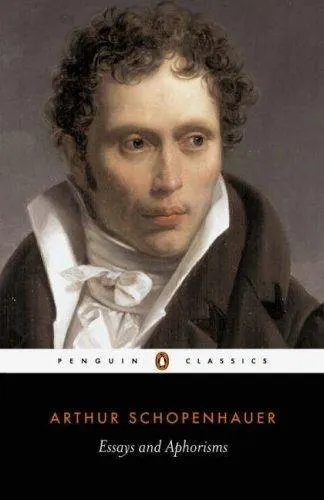

Arthur Schopenhauer believed human action is determined not by reason but by "will," the blind and irrational desire for physical existence. This selection draws on his last work, Parerga and Paralipomena (1851), with pieces on religion, ethics, politics, women, suicide and books. His pessimistic view influenced Nietzsche, Wittgenstein and Wagner among others.