Books like The Little Prince: fables for every age
Eleven books for readers who loved The Little Prince: Saint-Exupéry's own memoir, classic children's stories and short fables for grown-ups.
0/11 books read0%
The Little Prince is one of those rare books that belong to children and adults at the same time. A pilot stranded in the desert meets a small prince who has travelled from a distant asteroid, and through their conversations Antoine de Saint-Exupéry writes about love, loss and seeing what is essential. Children enjoy the strangeness of the story. Adults tend to notice how much of it is about them.
Read more
That double life is what most readers are looking for afterwards. They want a book that is simple on the surface and generous underneath, one that can be read aloud to a child and still move the person reading. Happily, there are many. Some are classics of children's literature that adults return to for comfort. Some are fables written for grown-ups in the language of children's books. And one is by Saint-Exupéry himself, written from the same love of flying and of the desert that shaped his best-known book.
The eleven books below are arranged in three groups: the author's own world, the children's classics that share its spirit, and short fables for adults. Most can be read in a day, and several in an hour.
Who it is for: Readers of any age who loved The Little Prince and want other short, gentle books that say something serious in simple words.
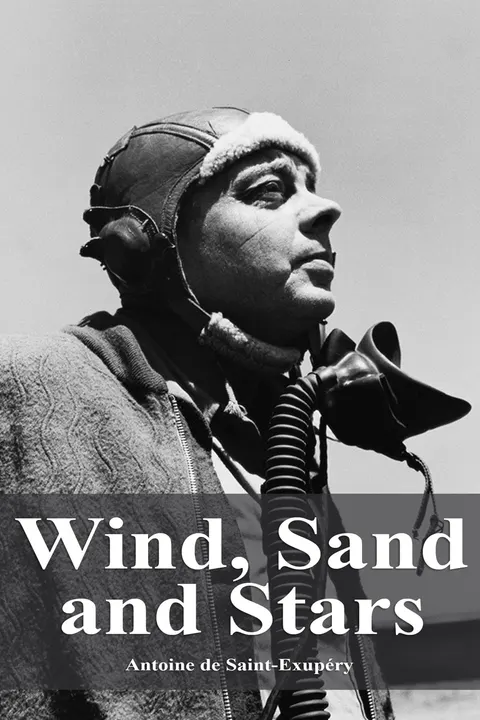
Antoine de Saint-Exupéry's memoir of flying was first published in France in February 1939. Reading it after The Little Prince is a revelation for many readers, because it shows the real experience of aviation that sits behind the pilot in the fable.
Read more
It is non-fiction, but it is written by the same sensibility, and it carries the same sense of wonder at the world seen from above.
For: Readers who want to know the author and the life behind the story.
While reading: Read it as a companion piece; notice how often the landscape and the solitude feel familiar.
Next: Return to The Little Prince afterwards; it reads differently once you know where it came from.
Patrick Collison, Edward Norton
Group 2: Children's classics for every age
Books written for young readers that adults keep returning to. Each one, like The Little Prince, uses a simple story to talk about friendship, growing up or loss.
J. M. Barrie's story follows the three Darling children to Never-Never Land with Peter Pan, the boy who would not grow up. The tension between childhood and adulthood is at the heart of both books.
Read more
If The Little Prince made you think about what grown-ups forget, Peter Pan looks at the same question from the side of a child who refuses to forget.
For: Readers who were struck by the little prince's view of grown-ups.
While reading: Read it aloud if you can; it was made for that.
Next: Try Alice's Adventures in Wonderland for another child in a strange world.
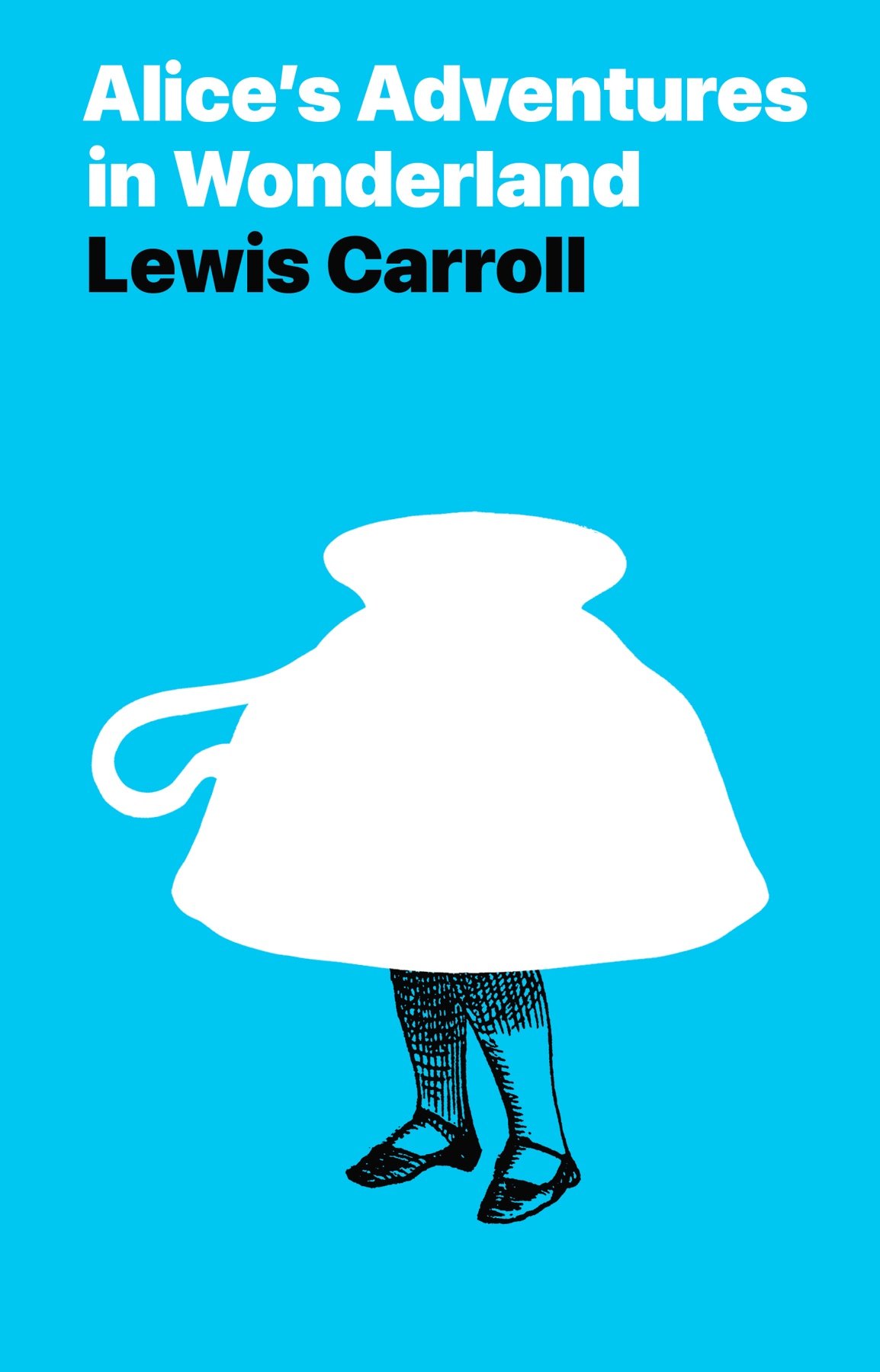
Lewis Carroll's 1865 children's novel follows a young girl named Alice who falls through a rabbit hole into a fantasy world. Like The Little Prince, it places a child in a strange world that runs on a logic of its own.
Read more
It is more playful and absurd than Saint-Exupéry's book, which makes it a good contrast.
For: Readers who enjoyed the strangeness of The Little Prince and want more wit.
While reading: Enjoy the wordplay and nonsense; it rewards a slow, out-loud reading.
Next: Move to Winnie the Pooh for something softer.
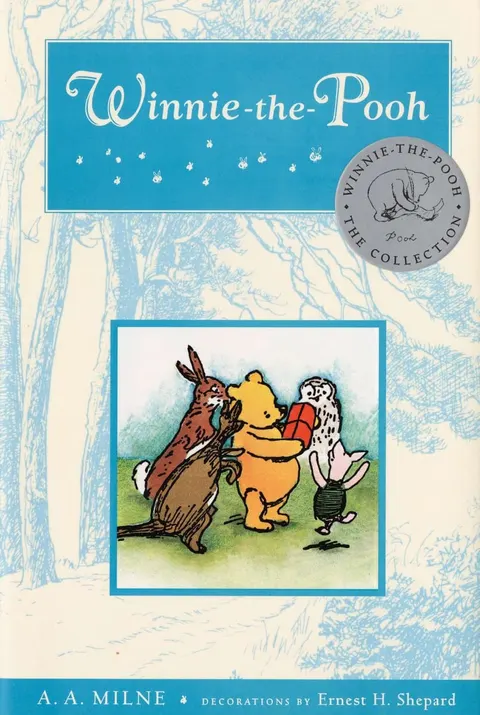
A. A. Milne's 1926 children's book, illustrated by E. H. Shepard, is set in the Hundred Acre Wood. Its gentle humour and its small world of friends make it a natural companion to The Little Prince, and like Saint-Exupéry's book it is often read by adults who first met it as children.
Read more
For: Readers who want warmth, friendship and a small, safe world.
While reading: Read a chapter at a time; each one is a complete little story.
Next: Go on to Charlotte's Web for a story about friendship that also faces loss.
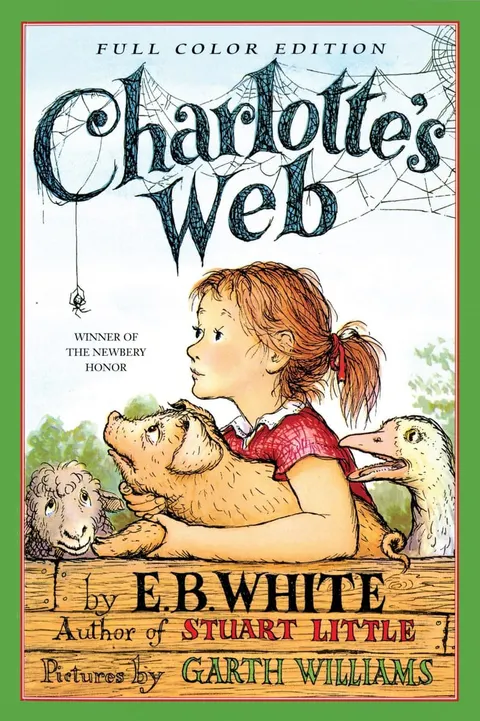
E. B. White's story of a pig named Wilbur, his friendship with the spider Charlotte and her plan to save his life is a children's classic about loyalty and loss. Of all the children's books here, it is the one closest to the emotional heart of The Little Prince: a friendship that changes both friends, told without sentimentality.
Read more
For: Readers moved by the friendship at the centre of The Little Prince.
While reading: Give it a quiet evening; younger readers may want an adult nearby.
Next: Pick up The Velveteen Rabbit for a very short story with a similar tenderness.
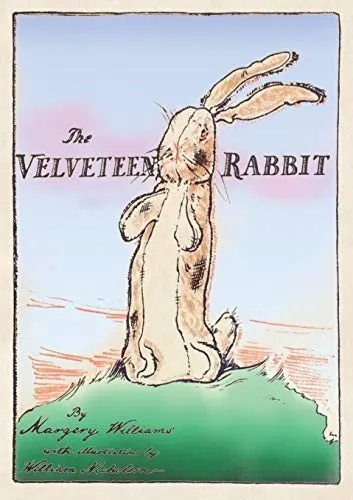
Margery Williams's British children's book, illustrated by William Nicholson, chronicles a stuffed rabbit's desire to become real through the love of his owner. It first appeared in Harper's Bazaar in 1921, and as a book in 1922.
Read more
Its idea that love is what makes something real sits very close to Saint-Exupéry's concern with love and with seeing what is essential.
For: Readers who want the shortest possible story about love and becoming real.
While reading: It takes minutes to read; read it twice.
Next: Try The Giving Tree for another picture book adults argue about.
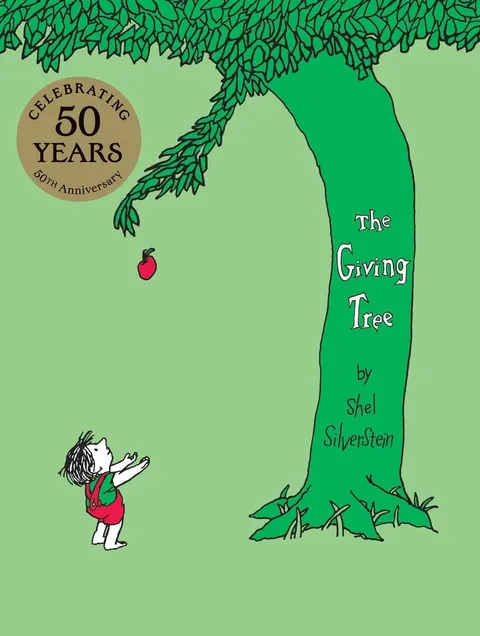
Shel Silverstein's 1964 picture book is one of his best known and has been translated into many languages. It is very short and very simple, and like The Little Prince it is read by children and adults in quite different ways.
Read more
Many readers come away from it with questions rather than answers, which is part of its lasting appeal.
For: Readers who like short books that start conversations.
While reading: Read it slowly, then talk about it with someone else who has read it.
Next: Move to Group 3 for fables written with adults in mind.
Alexis Ohanian, Margaret Qualley and 3 more
Group 3: Fables for grown-ups
Short books written for adults that use the plain, fable-like style of The Little Prince to talk about calling, meaning and endurance.
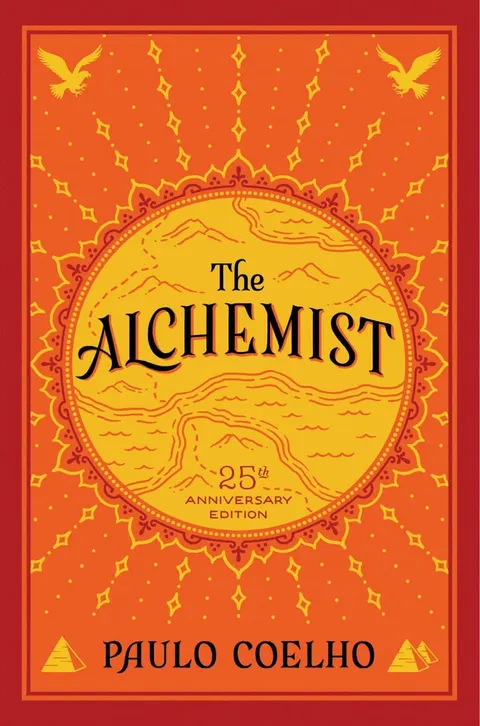
Paulo Coelho's fable follows Santiago, an Andalusian shepherd boy who travels toward Egypt in search of treasure and learns to listen to his heart. It has become one of the best-selling books in the world.
Read more
It shares the desert, the journey and the simple, almost spoken style of The Little Prince, and many readers move from one to the other.
For: Readers who want another desert fable about what really matters.
While reading: Read it over a weekend; it is short and moves easily.
Next: Continue with Jonathan Livingston Seagull or Siddhartha.
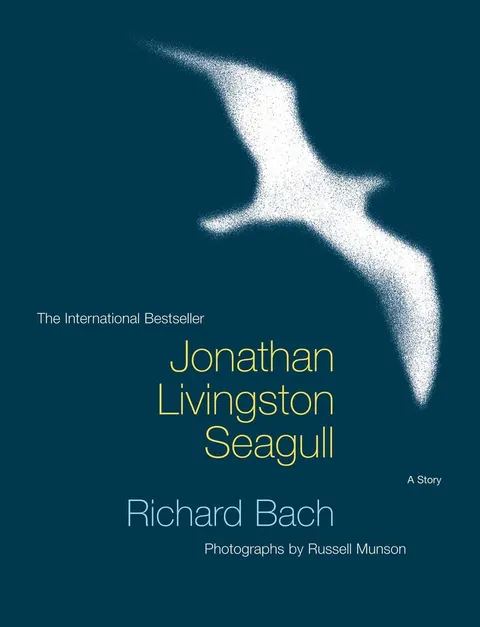
Richard Bach's fable is about a gull who wants to fly for the joy of it rather than merely to find food, and who is cast out by his flock. It shares The Little Prince's love of flight and its sympathy for a character who sees the world differently from everyone around him.
Read more
For: Readers who loved the theme of flight and of seeing differently.
While reading: Read it in one sitting; it is very short.
Next: Go to Siddhartha for a deeper, slower search.
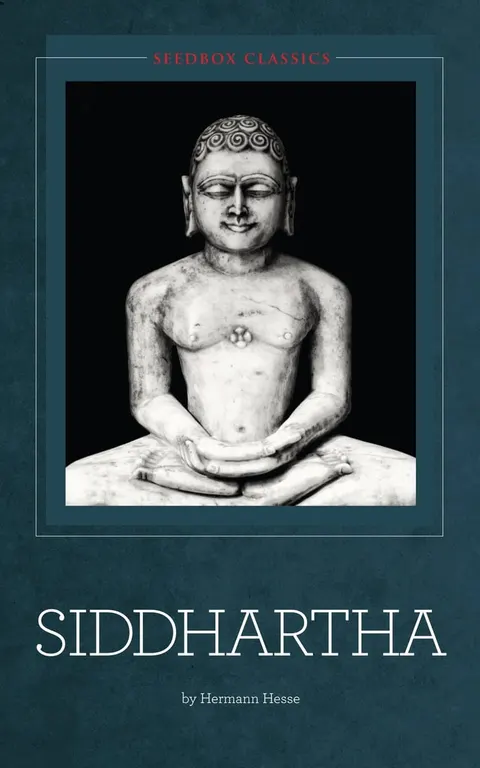
Hermann Hesse's spare novel follows a young man in ancient India who leaves comfort behind to search for enlightenment. It is a short, lyrical book about experience as the only real teacher.
Read more
It is more serious than The Little Prince, but it shares the quality of saying large things in few words.
For: Readers ready for a more reflective fable about the search for meaning.
While reading: Read it slowly, in one or two sittings.
Next: Try The Old Man and the Sea for another short, spare classic.
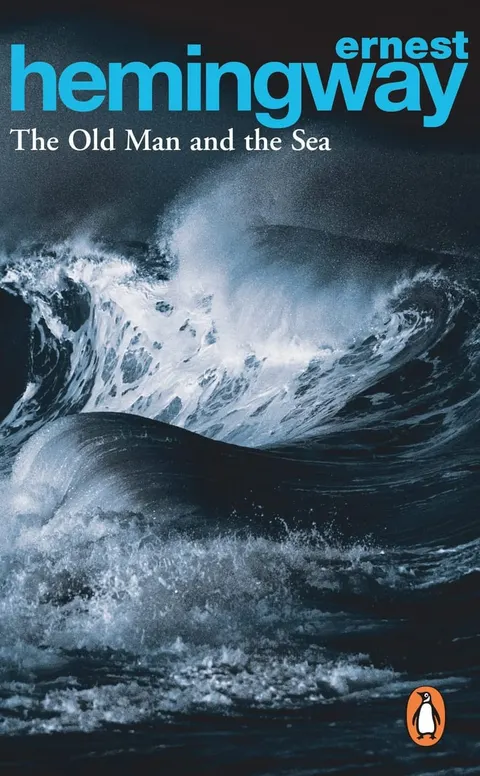
Ernest Hemingway's novella tells of an aging Cuban fisherman and his epic struggle with a giant marlin. It is a spare story about endurance and dignity.
Read more
It has none of The Little Prince's whimsy, but it shares its brevity, its single central figure and its way of turning a simple situation into something that feels universal.
For: Readers who want a short classic about one person alone against the world.
While reading: Read it in a single afternoon if you can.
Next: Return to Wind, Sand and Stars, which shares its feeling for solitude and the elements.
PewDiePie, Lex Fridman and 3 more
Reading path
Begin with Wind, Sand and Stars if you want to stay with Saint-Exupéry. It is the book that most deepens The Little Prince, and reading the two together changes how you see both.
If you are reading with a child, or want to return to childhood books yourself, go through Group 2 in order: Peter Pan and Alice's Adventures in Wonderland for adventure, then Winnie the Pooh, Charlotte's Web, The Velveteen Rabbit and The Giving Tree for warmth. The last two can be read in minutes and are good to keep for a quiet evening.
Read more
If you want grown-up fables, start with The Alchemist or Jonathan Livingston Seagull, which are closest in tone, then move to Siddhartha and The Old Man and the Sea. All four are short, so this whole path can be read in a couple of weeks without hurrying.
 Patrick Collison, Edward Norton