Best philosophy books for beginners: ten approachable starts
Ten philosophy books that welcome new readers, from the Stoics and Plato to Montaigne, Frankl, Pirsig and David Foster Wallace.
0/10 books read0%
Philosophy has a reputation for difficulty that is only partly deserved. Some of its greatest works are dense and technical, but many are short, personal and written for ordinary people trying to live well. The beginner's challenge is not intelligence but choice: with so many books and so many traditions, it is hard to know which door to open first.
Read more
The ten books below are chosen because they welcome new readers. They do not require a background in the subject, and several are among the most widely read works of their kind. Some come from antiquity, such as the private notebooks of the Roman emperor Marcus Aurelius and the letters of Seneca. Some are modern attempts to bring old ideas to a contemporary audience. Others are philosophy by another name: a novel, a speech, a motorcycle journey, a short treatise on play.
They are grouped in three clusters. The first covers Stoicism, the ancient school that has become the most popular entry point for modern readers. The second takes up the large questions of how to live and what makes life meaningful, with a classic of political philosophy, a lively biography of a thinker and the testimony of a psychiatrist. The third gathers books that approach philosophical questions through story, speech and experience.
A beginner's list should also be honest about what it leaves out. Philosophy is a large field, with branches of logic, ethics, politics and metaphysics that these ten books touch only lightly. Think of this as an opening, not a curriculum. If one of the books catches you, there is plenty more to follow, and you will have a better idea of which direction you want to go. It is also fine to read philosophy slowly and unevenly. A single paragraph can occupy an afternoon, and returning to the same book a year later often shows you something you missed the first time through.
Who it is for: Readers who are curious about philosophy but unsure where to start, and who would rather begin with a readable book than a textbook.
Stoicism is the school most often recommended to new readers because it treats philosophy as a practice for daily life. Two of these books are ancient texts and one is a modern guide that draws on them. If you want philosophy that you can use straight away, begin here. The three books overlap in their central themes, which include discipline, patience and acceptance of what cannot be changed, so reading them in sequence shows how an idea develops across two thousand years of readers and writers.
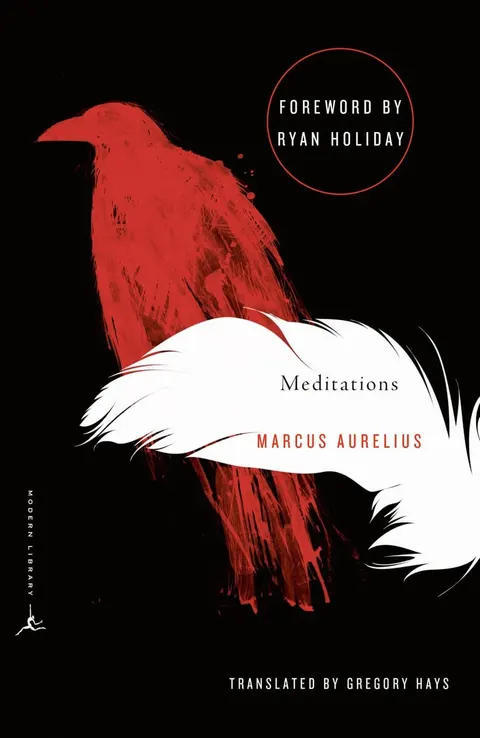
The private notebooks of the Roman emperor Marcus Aurelius, written as reminders to himself on living with discipline, patience and humility. A cornerstone of Stoic thought that is still widely read.
Read more
Ryan Holiday, Naval Ravikant, Joe Rogan, Mark Manson and Lex Fridman have it on their shelves. Because it was written as notes to himself, it reads as an honest conversation rather than a lecture.
For: Readers who want a short, personal and practical introduction to Stoicism.
While reading: Read a few pages at a time rather than front to back in one sitting.
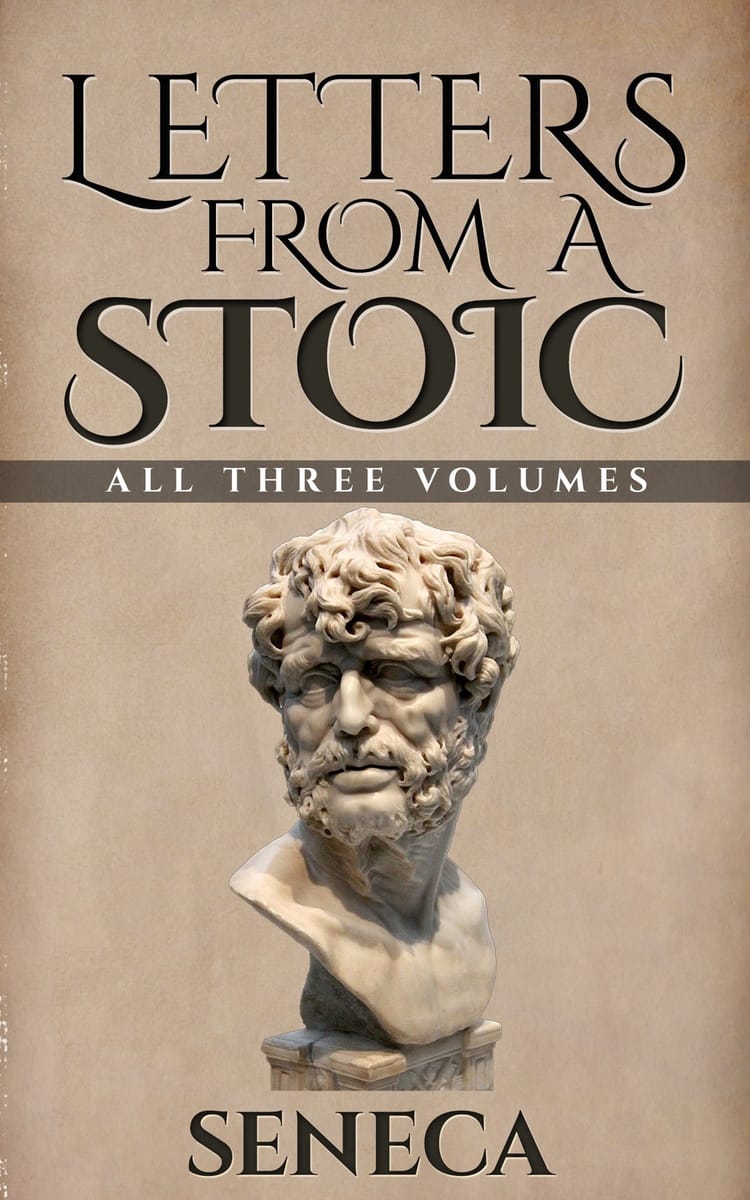
Next: Letters from a Stoic offers a second ancient voice.
William B. Irvine draws on Stoic philosophy for a guide to living a good life. It is a useful bridge for readers who find the ancient texts distant, since it offers a modern, organised introduction.
Read more
Marc Andreessen and Derek Sivers have it on their shelves.
For: Readers who would like a modern explanation before, or after, reading the Stoics themselves.
While reading: Use it as a map, then return to the ancient authors for the original voice.
Next: The Republic widens the lens to ask how a society should be organised.
Marc Andreessen, Derek Sivers
Group 2: The big questions of how to live
Three books that take on large questions in very different ways. One is a foundational dialogue about justice, one is a biography of a thinker who asked how to live, and one is the account of a psychiatrist who found meaning in terrible circumstances. They show how wide philosophy can be, and none of them presumes any previous reading. If you read only one group beyond the Stoics, make it this one, since it covers politics, biography and psychology in a handful of titles.
Plato's Socratic dialogue of around 375 BC on justice, the just city and the just person, one of the most influential works of philosophy and political theory. Mark Manson, Grimes and Malala Yousafzai have it on their shelves.
Read more
As a dialogue it is more conversational than many beginners expect, though it takes patience.
For: Readers who want to meet one of the founding works of Western philosophy.
While reading: Take your time and follow the conversation as an argument, not a story.
Next: How to Live offers a gentler, more personal way into the question of living well.
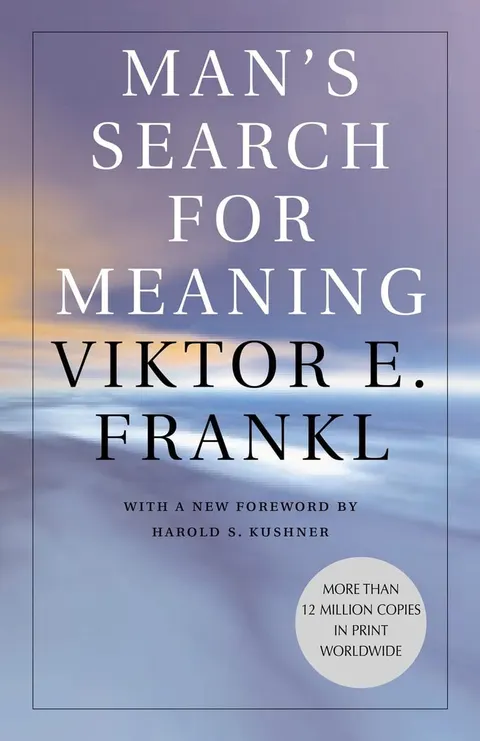
Psychiatrist Viktor Frankl recounts his years in Nazi concentration camps and the conviction that carried him through: that people can endure almost anything if they find a reason to live. The second half sets out logotherapy, his approach to finding meaning.
Read more
Ryan Holiday, PewDiePie, Emma Watson, Charlie Munger and Mark Manson have it on their shelves.
For: Readers who want a serious book on meaning that is short and clear.
While reading: It is a heavy subject; give yourself time between sittings.
Next: Siddhartha explores the search for meaning through fiction.
Harry Styles, Emma Watson and 13 more
Group 3: Philosophy through story, speech and play
Four books that approach philosophical questions without looking like philosophy. A short novel, a novel-travelogue, a commencement speech and a treatise on games. They are useful for readers who need a more indirect route in.
Hesse's spare novel follows a young man in ancient India who leaves comfort behind to search for enlightenment. A short, lyrical book about experience as the only real teacher.
Read more
Naval Ravikant, Emma Watson, Lex Fridman, Tim Ferriss and Bryan Johnson have it on their shelves.
For: Readers who prefer to approach big questions through a story.
While reading: It is brief, so you can read it in an afternoon and then reread it.
Next: Zen and the Art of Motorcycle Maintenance is another novel with a philosophical heart.
Pirsig's novel blends a motorcycle trip across America with a philosophical inquiry into the meaning of quality. A cult classic about how we choose to live.
Read more
Paul Graham, Bryan Johnson, Phil Jackson, Ev Williams and David Perell have it on their shelves.
For: Readers who like journeys and want a philosophy of everyday work and care.
While reading: Let the road and the ideas alternate; the book moves between the two.
Next: This Is Water compresses a similar concern into a single speech.
Finite and Infinite Games: A Vision of Life as Play and Possibility (1986) is James P. Carse's philosophical treatise. He proposes that all human behaviour falls into two kinds of play.
Read more
Finite games, such as chess or politics, have fixed rules and clear winners, while infinite games, such as culture, love and life, have evolving rules and are played to keep play going and welcome new players. Simon Sinek and Derek Sivers have it on their shelves.
For: Readers who enjoy a compact, original idea that can change how they view their own goals.
While reading: Think of examples from your own life as you read.
Next: Return to the Stoics, which offer a different view on the same question.
Simon Sinek, Derek Sivers and 1 more
Reading path
A good first stop is Meditations, because it is short, personal and can be read in small portions. If you enjoy the voice, Letters from a Stoic is a natural second book. If the ancient style feels remote, begin with A Guide to the Good Life, which offers a modern explanation, and then return to Marcus Aurelius and Seneca with a clearer sense of what they are doing.
Next, widen the field. Siddhartha and This Is Water are quick reads that show how philosophy can arrive through a story or a speech, and they make a pleasant change of pace after the Stoics. Man's Search for Meaning is more demanding emotionally, but it is short and clear and well suited to this stage. How to Live is the warmest of the biographical options and works well alongside any of them.
Read more
Keep the longer or more abstract books for last. The Republic rewards patient reading and is best approached once you are comfortable with the idea of following an argument. Zen and the Art of Motorcycle Maintenance and Finite and Infinite Games each ask you to think about how you organise your life, and they work as a final stage because they connect to the others. Whichever order you choose, take notes. A philosophy book is only partly read until you have argued with it, and a notebook beside you makes that argument easier to start. You might write down one sentence from each book that you agree with and one you doubt. After ten books you will have a small private anthology, and a much clearer sense of which thinkers you want to spend more time with.