Habits and self-improvement books: 11 worth your time
From Atomic Habits to The War of Art: eleven books on habits, discipline and mindset, grouped by what each one is best at.
0/11 books read0%
Self-improvement is a crowded shelf. For every book that offers a real idea, there seem to be a dozen that repeat the same advice in a louder voice. The reader who wants to change something, whether a routine, a work habit or a way of thinking, quickly learns that the useful question is not which book is best but which book fits the problem in front of you.
Read more
The eleven books below are chosen with that question in mind. They are grouped into three clusters. The first deals with habits and systems: how routines form, how to change them, and how to organise your commitments so they stop weighing on you. The second concerns mindset and resistance, the inner obstacles that block work and growth. The third looks at discipline and craft, through the lives of people who have pushed themselves hard or arranged their days with care.
A few of these books are widely known. Atomic Habits is James Clear's guide to building good habits and breaking bad ones through small, consistent changes. The 7 Habits of Highly Effective People is one of the best-selling self-help books ever written. Others are less obvious, such as Daily Rituals, which looks at how great writers, artists and thinkers organised their days to get their work done. Mixing the famous with the unexpected gives a fuller picture than a list of bestsellers alone.
You do not need to read all eleven, and it would be a mistake to try. Self-improvement books work best when you read one, apply it, and then return for another when you have exhausted the first. Use the groups to find your starting point, and the reading order at the end to decide what comes next. It also helps to read with a specific habit in mind. A book about change is far more useful when you hold it up against something real, whether that is a morning routine, a stalled project or a pattern of putting things off, than when you read it as general inspiration.
Who it is for: Readers who want to build better habits and stronger focus and would like to know which self-improvement books suit which problem.
Four books about how everyday behaviour is built and organised. Two focus on the mechanics of habit, one on principles of personal effectiveness, and one on managing tasks and commitments so that you can think clearly. If your problem is practical and concerns routine, start here.
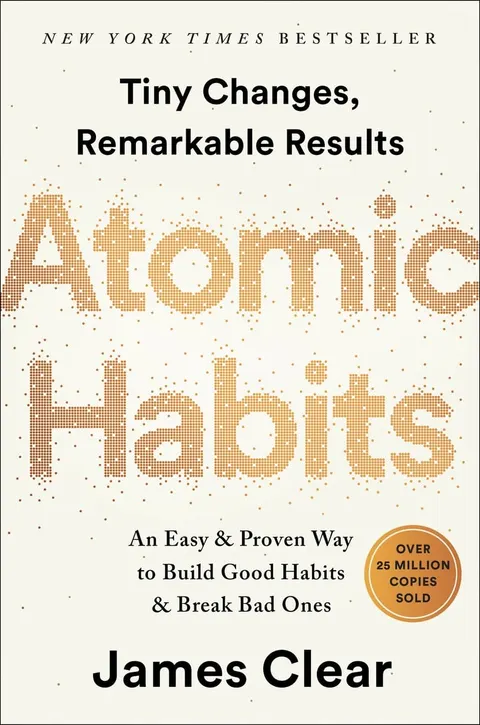
James Clear's guide to building good habits and breaking bad ones through small, consistent changes. Its premise is modest in scale, which is part of why it has become a reference point for the whole subject.
Read more
Eliud Kipchoge and Derek Sivers have it on their shelves. It is a good first book for anyone who feels that big resolutions never last.
For: Readers who want a clear, practical method for building routines through small steps.
While reading: Apply one idea at a time rather than trying to change everything at once.
Next: The Power of Habit explains the mechanics from a different angle.
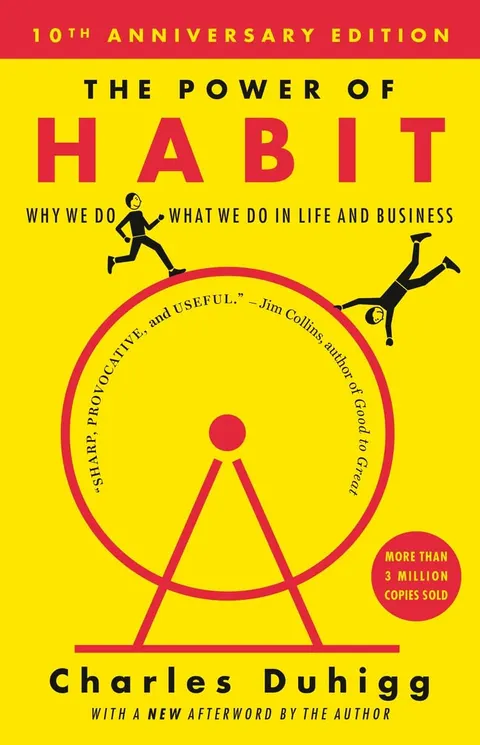
Duhigg explains how habits form and how they can be changed, drawing on neuroscience and case studies. It is accessible and practical, and it makes a good companion to Atomic Habits because it explains the why more than the how.
Read more
Tim Ferriss, Ray Dalio and Thomas Frank have it on their shelves.
For: Readers who want to understand how habits work before trying to change them.
While reading: Look for the case studies, since they carry much of the book's argument.
Next: The 7 Habits of Highly Effective People shifts from habit mechanics to broader principles.
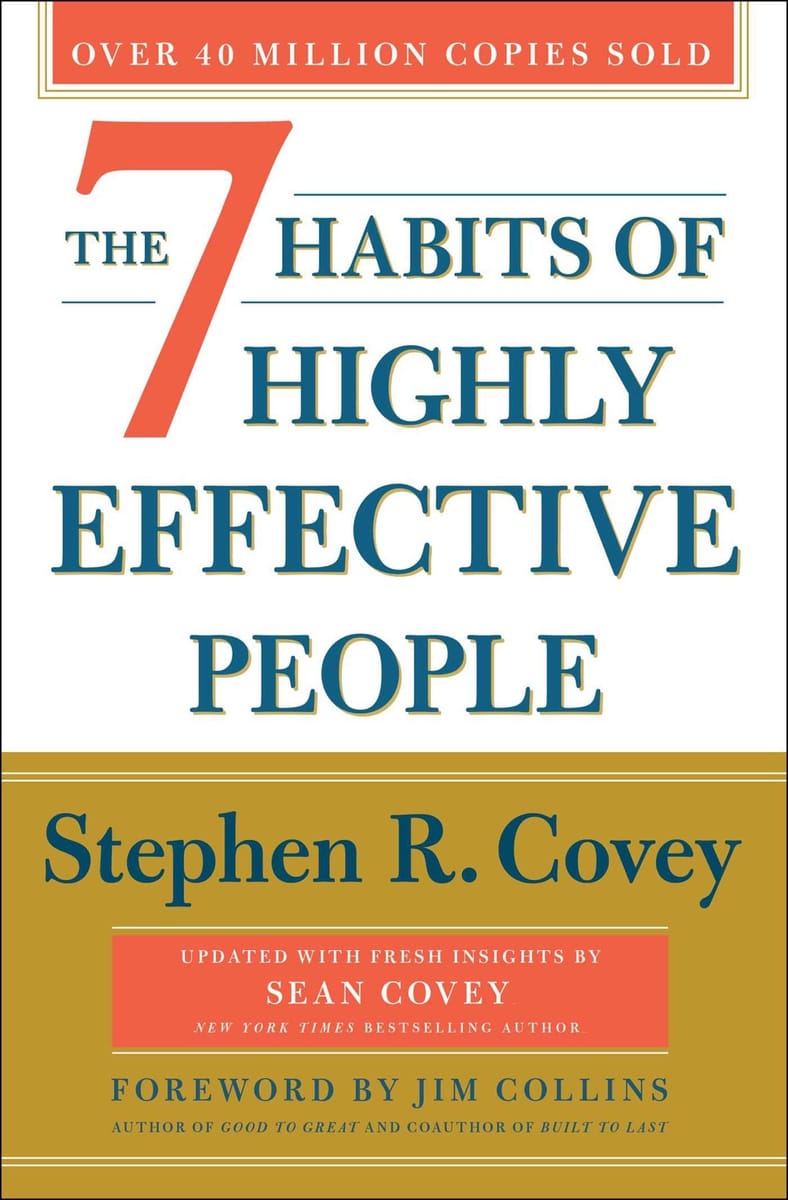
Covey sets out seven principles for personal and professional effectiveness, from taking initiative to sharpening the saw. It is one of the best-selling self-help books ever written, and it takes a broader view than the habit books above.
Read more
MrBeast and Eliud Kipchoge have it on their shelves.
For: Readers who want a framework for work and life rather than a method for one routine.
While reading: Read it slowly and treat the seven principles as questions to ask yourself.
Next: Getting Things Done supplies a concrete system for managing everything on your plate.
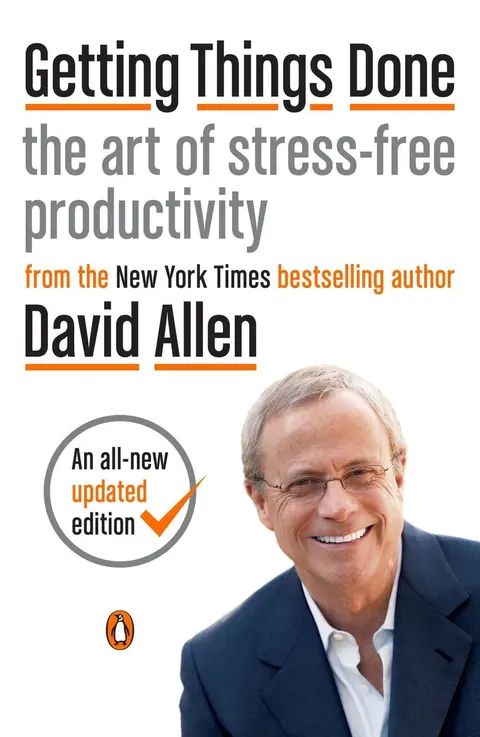
Allen presents a system for managing tasks and commitments to reduce stress. It is a foundational productivity book, and it is the most practical of the group.
Read more
Ev Williams, Howard Stern and Derek Sivers have it on their shelves. If your trouble is not motivation but overload, this is the book to try.
For: Readers who feel overwhelmed by tasks and commitments and want a system.
While reading: Set it up as you read; the system is only useful if you use it.
Next: Mindset turns from systems to beliefs about ability.
Howard Stern, Ev Williams and 1 more
Group 2: Mindset and inner resistance
Four books about the obstacles inside us. They address beliefs about ability, the force that blocks creative work, the role of ego, and the idea that hardship can be turned to use. Read these when the problem is not what to do but what stops you from doing it.
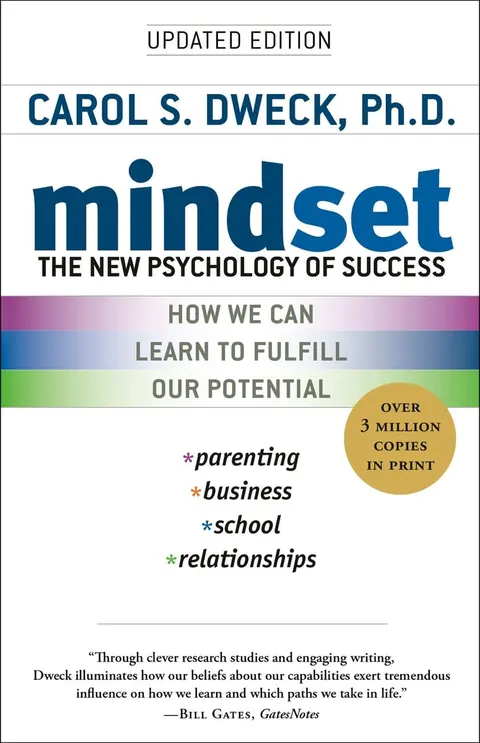
Dweck contrasts the fixed and growth mindsets and shows how beliefs about ability shape success. It is a highly influential psychology book, and a good place to start if you suspect that how you think about your own abilities is part of the problem.
Read more
Bill Gates, Mark Manson, Satya Nadella and Ev Williams have it on their shelves.
For: Readers who want to understand how beliefs about ability affect their progress.
While reading: Pay attention to your own reactions as you read; the book is about habits of thought.
Next: The War of Art takes the same inner focus into creative work.
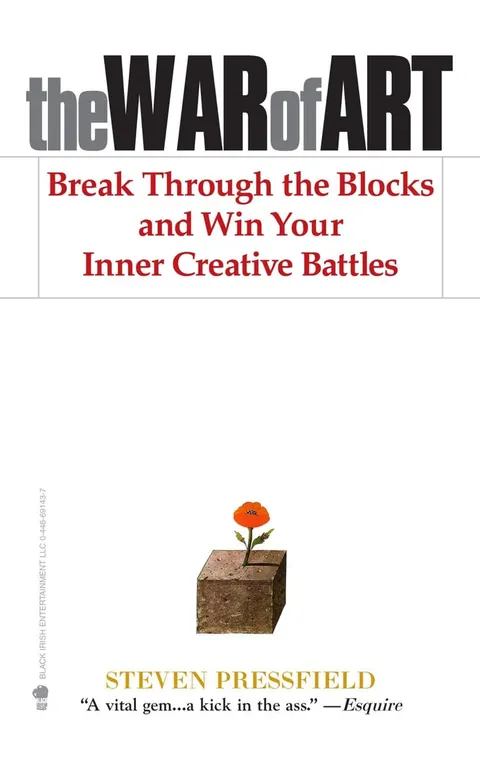
Pressfield identifies resistance as the force that blocks creative work and shows how to fight it. It is a short, motivational book for artists, though its message applies to anyone who has put off something important.
Read more
Ryan Holiday, Joe Rogan, Lex Fridman, Seth Godin and James Clear have it on their shelves.
For: Readers who keep delaying creative or personal projects.
While reading: It is short and works best in one or two sittings.
Next: Ego Is the Enemy considers another kind of inner obstacle.
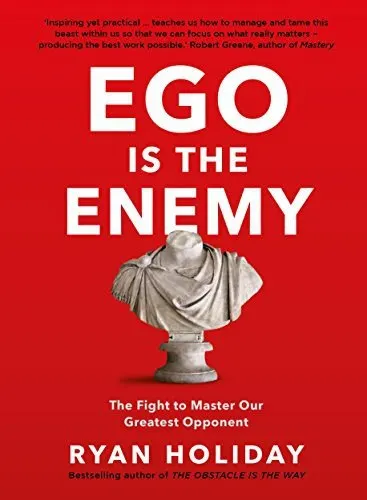
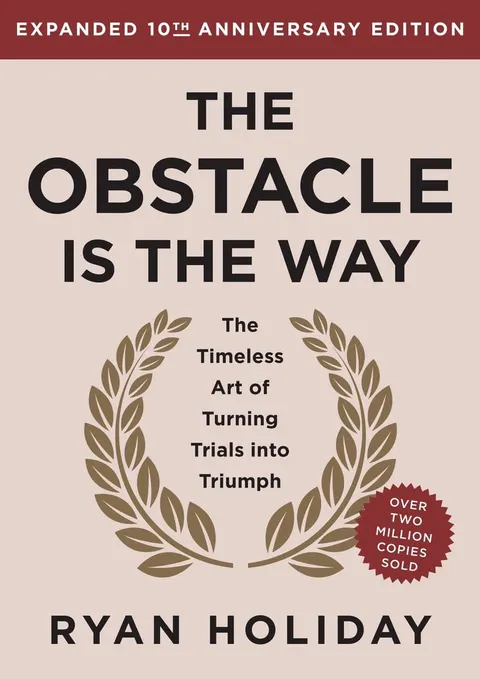
Holiday applies Stoic philosophy to the obstacles of modern life, arguing that adversity can become advantage. It is a popular, practical introduction.
Read more
Casey Neistat and MrBeast have it on their shelves. It bridges self-improvement and philosophy, which makes it a good point to pivot from one to the other.
For: Readers who want a practical, Stoic-influenced way to deal with setbacks.
While reading: Choose one obstacle from your own life to test its ideas against.
Next: Mastery looks at long-term development across many lives.
MrBeast, Casey Neistat
Group 3: Discipline, craft and mastery
Three books about doing the work over time. One studies the paths of exceptional figures, one shows how creative people arranged their days, and one is a memoir of extreme personal discipline. They suit readers who already have their basic routines and want a longer view.
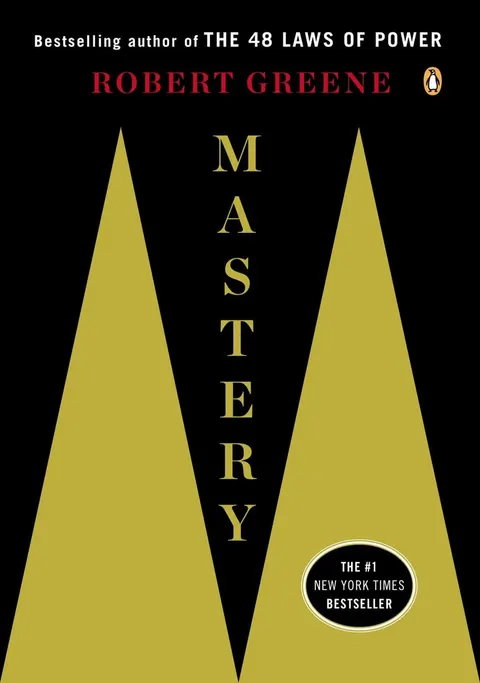
Robert Greene's fifth book studies the paths to mastery in the lives of figures from Charles Darwin and Henry Ford to Paul Graham and Temple Grandin. It takes the long view that most habit books do not, looking at development across decades.
Read more
Ryan Holiday and Robin Sharma have it on their shelves.
For: Readers interested in how skill develops over a lifetime.
While reading: Read it for the patterns across the lives rather than any single story.
Next: Daily Rituals shows how working people structured their days.
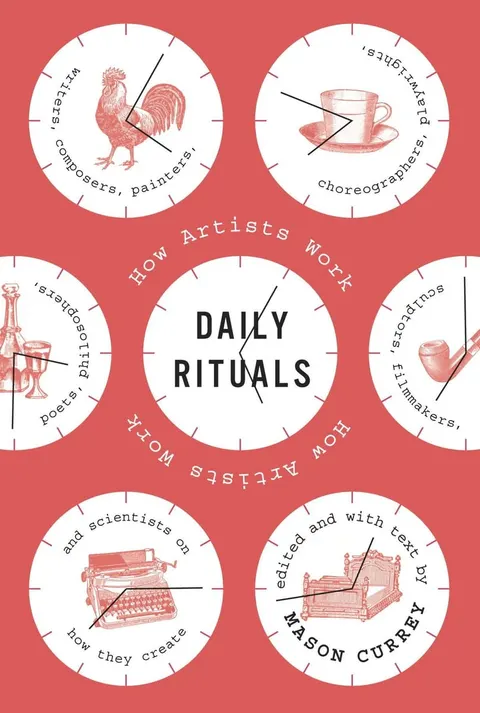
Mason Currey on how great writers, artists and thinkers organised their days to get their work done. It is an anthology of routines, and it reminds readers that there is no single correct way to structure a day.
Read more
B.J. Novak and Lena Dunham have it on their shelves.
For: Readers who like to borrow ideas from the routines of other people.
While reading: Dip in and out; it is made for browsing.
Next: Can't Hurt Me takes discipline to an extreme.
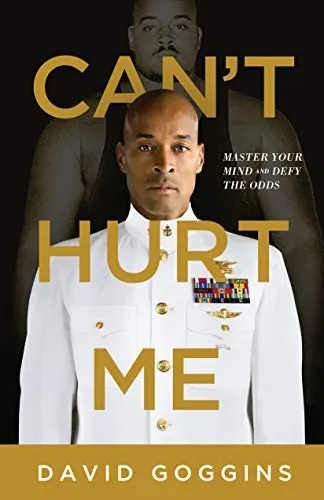
David Goggins is an ultramarathon runner, ultra-distance cyclist and triathlete who served as a Navy SEAL and in the Air Force. Can't Hurt Me, subtitled Master Your Mind and Defy the Odds, is his memoir, and it became a New York Times bestseller.
Read more
Marc Andreessen and Joe Rogan have it on their shelves.
For: Readers who want a memoir about pushing past their limits.
While reading: It is an account of one person's methods, so take what suits you.
Next: Return to Atomic Habits to balance extreme discipline with small, steady changes.
Joe Rogan, Marc Andreessen
Reading path
If this is your first time with the subject, start with Atomic Habits. It is clear, practical and easy to apply, and it sets up the vocabulary that many of the others rely on. Then read The Power of Habit to see the science and case studies behind it. Those two books together will give you a working understanding of how routines form and change.
If your difficulty is less about routine and more about overload, move next to Getting Things Done, and treat it as a project: set up the system as you read. If your difficulty is internal, try Mindset followed by The War of Art. The first addresses what you believe about your abilities, and the second addresses the resistance that stops you from using them. Ego Is the Enemy and The Obstacle Is the Way fit naturally after those two.
Read more
Save the longer-term books for when you have the basics in place. Mastery rewards a patient reader who already has a field to apply it to. Daily Rituals is a lighter read that works at any point, and Can't Hurt Me is best taken as an example of one extreme approach rather than a method to copy. The 7 Habits of Highly Effective People is useful whenever you want to step back and think about your priorities as a whole, rather than your daily behaviour. A sensible overall pattern is to alternate: one practical book, then one reflective book, so that method and motivation take turns. Whichever order you choose, give each book a few weeks of real use before you judge it, since most of what these authors recommend only shows its value over time.