Books like The Four Agreements: calm, clear self-help
Ten books for readers of Don Miguel Ruiz: his follow-up, Eckhart Tolle, Michael Singer, the Stoics, Mark Manson and the classics of habit.
0/10 books read0%
The Four Agreements owes much of its reach to its simplicity. Don Miguel Ruiz distils Toltec wisdom into four personal codes: be impeccable with your word, don't take things personally, don't make assumptions, always do your best. It is a short and popular guide to personal freedom, and many readers find that one of the four sticks with them for years.
Read more
After a book like that, the next step depends on which part helped most. Some readers want more of the same inner work: noticing thoughts, letting go of reactions, finding some quiet. Others were drawn to the idea of a few clear rules to live by, which is exactly what the Stoic philosophers offered two thousand years ago. And some want to turn good intentions into lasting change, which is the territory of books about habits and effectiveness.
The ten books below follow those three directions. They are all readable, none of them is long for its kind, and each one can be put into practice a little at a time, which is how The Four Agreements tends to work as well.
Who it is for: Readers who found The Four Agreements useful and want other short, practical books about inner peace, honest thinking and better habits.
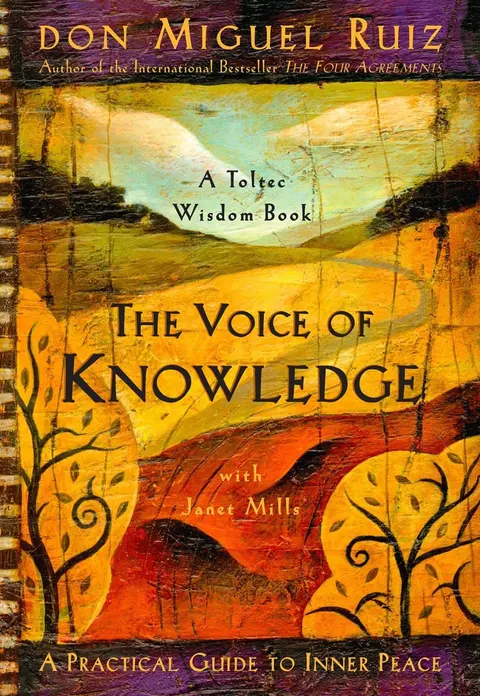
Subtitled A Practical Guide to Inner Peace, this 2004 book by Don Miguel Ruiz, written with Janet Mills, comes from the author of The Four Agreements, which was a New York Times bestseller for more than a decade. It is the most direct continuation available: the same author, the same collaborator and the same plain, practical approach.
Read more
For: Readers who want more from Ruiz himself.
While reading: Read it soon after The Four Agreements, while the four codes are still fresh.
Next: Move on to The Power of Now for a different teacher on similar ground.
Eckhart Tolle's The Power of Now: A Guide to Spiritual Enlightenment appeared in 1997. Tolle, a German spiritual teacher and self-help author, followed it with A New Earth in 2005.
Read more
Its focus on the present moment pairs naturally with the agreement not to make assumptions, since both ask the reader to stop living inside stories the mind tells about what might happen.
For: Readers who want a deeper, more spiritual book about attention and presence.
While reading: Take it slowly; it repays rereading more than speed.
Next: Continue with A New Earth if Tolle's approach suits you.
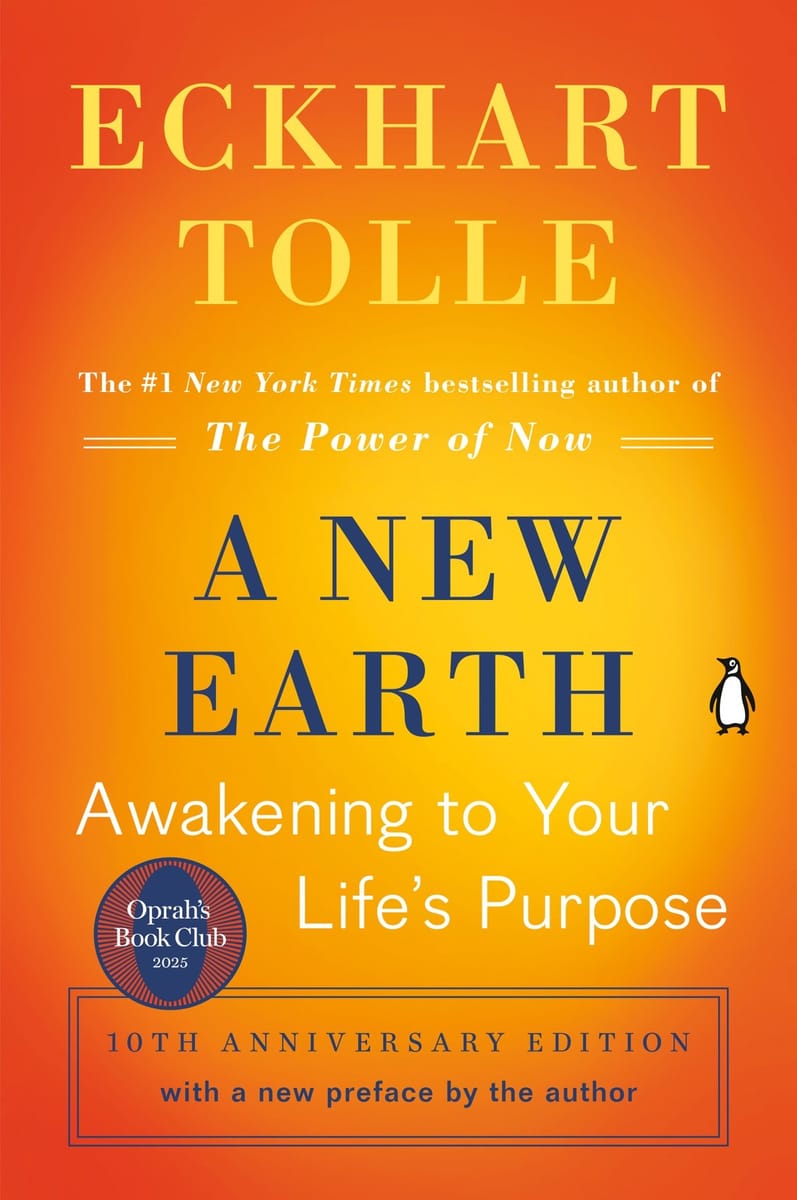
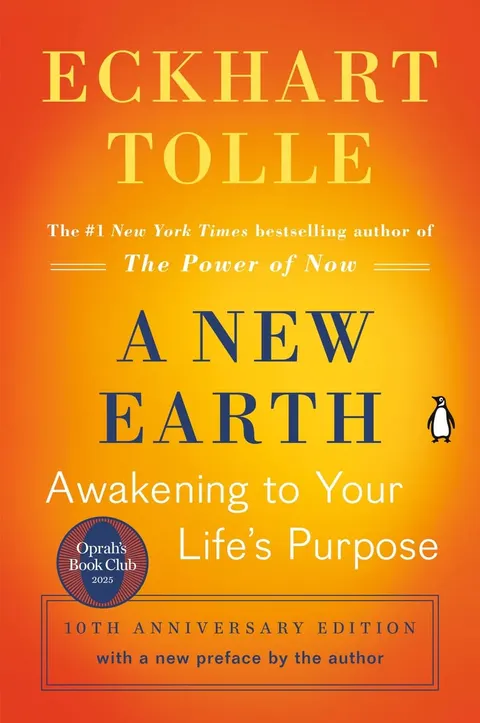
Eckhart Tolle's 2005 book on awakening to your life's purpose is the only title chosen twice for Oprah's Book Club, in 2008 and 2025. It has sold 15 million copies and been translated into 50 languages.
Read more
It widens the ideas of The Power of Now from the individual to the question of purpose, and it suits readers who want more than a set of personal rules.
For: Readers who liked The Power of Now and want to go further.
While reading: Read it chapter by chapter, with time between them.
Next: Try The Untethered Soul for a shorter, more practical book.
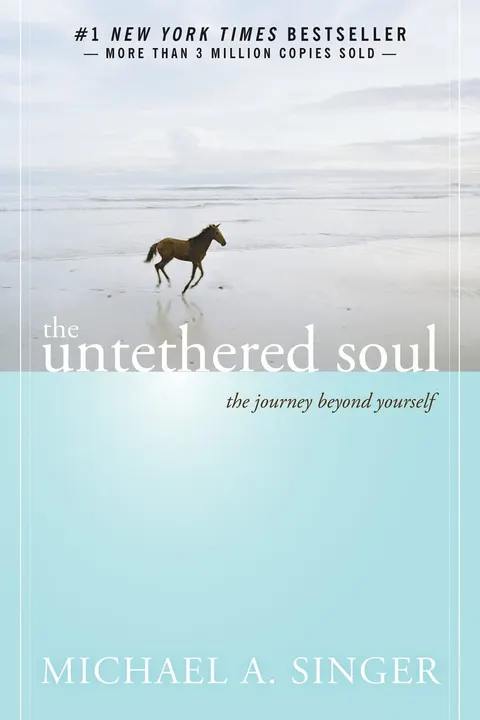
Michael Singer's guide to inner peace asks readers to observe their thoughts rather than be ruled by them. It is the most practical book in this group and the closest in spirit to the agreement not to take things personally: both are about stepping back from your reactions before they decide for you.
Read more
For: Readers who want plain exercises for a calmer mind.
While reading: Read a chapter, then try what it suggests for a few days.
Next: Look at Group 2 for older versions of the same advice.
Kendall Jenner, Naval Ravikant and 2 more
Group 2: Ancient rules for living
The Stoics believed that a few clear principles, practised daily, could change a life. Readers who liked the shape of The Four Agreements often find these books surprisingly close to it.
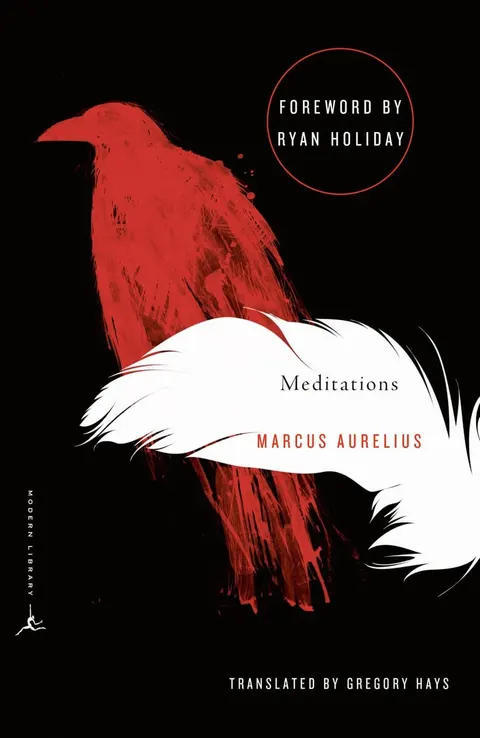
The private notebooks of the Roman emperor Marcus Aurelius were written as reminders to himself on living with discipline, patience and humility. They are a cornerstone of Stoic thought and are still widely read.
Read more
In many ways they are the original book of personal agreements: short notes, written to remind himself how he wanted to behave.
For: Readers who want the classic source behind much modern self-help.
While reading: Read a few entries a day; it was never meant to be read straight through.
Next: Continue with The Obstacle Is the Way for a modern application.
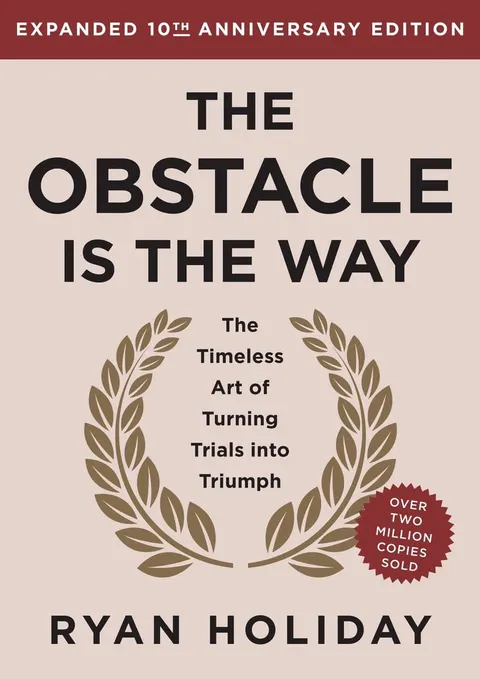
Ryan Holiday applies Stoic philosophy to the obstacles of modern life, arguing that adversity can become advantage. It is a popular, practical introduction.
Read more
It turns the Stoic ideas in Meditations into concrete advice, much as Ruiz turns Toltec wisdom into four codes.
For: Readers who want Stoicism in a modern, practical form.
While reading: Read it quickly the first time, then return to the chapters you need.
Next: Try The Subtle Art of Not Giving a F*ck for a blunter modern voice.
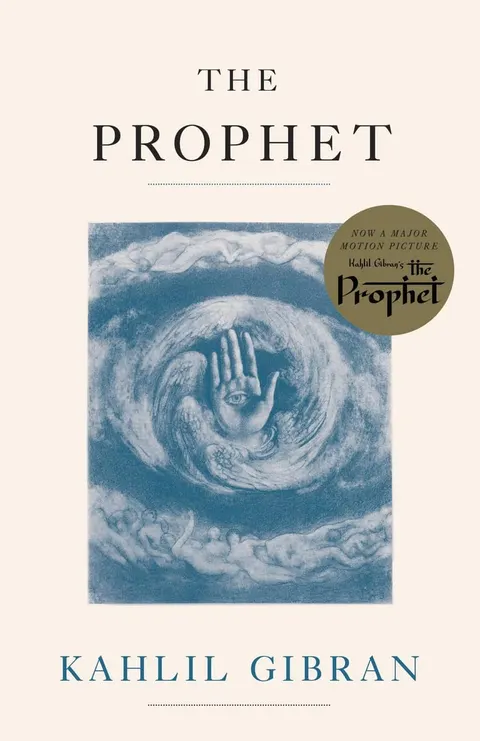
Kahlil Gibran's collection of poetic essays has a prophet bidding farewell to a city and speaking on love, work, joy and death. It has been a spiritual best-seller since 1923.
Read more
It is not a self-help book, but readers who liked the calm, almost spoken voice of The Four Agreements often keep it nearby for the same reason.
For: Readers who want reflection rather than instruction.
While reading: Read one section at a time.
Next: Return to it whenever a particular subject, such as work or love, is on your mind.
Carlos Slim, Naval Ravikant
Group 3: Turning ideas into habits
Books for readers who want to make change last. They are more concrete than Ruiz, but they share his belief that small, steady practice matters more than big promises.
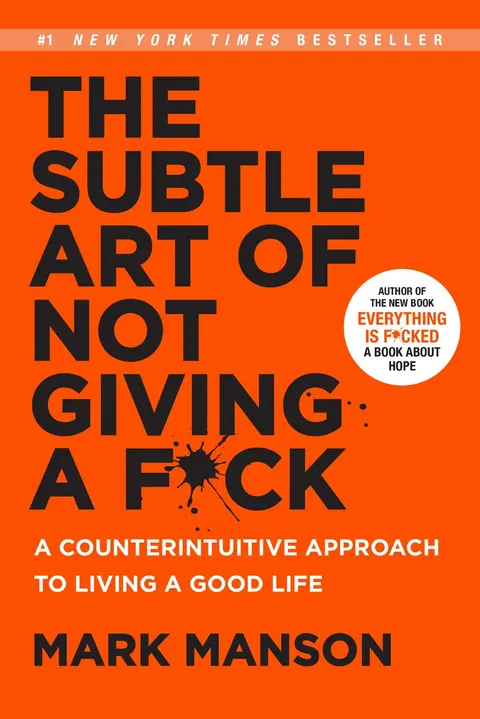
Mark Manson's self-help guide rejects relentless positivity and argues for an honest acceptance of life's hardships. Its tone is far louder than Ruiz's, but its core advice overlaps with two of the agreements: stop taking everything personally, and stop wasting energy on things that do not matter.
Read more
For: Readers who want blunt, funny, modern advice.
While reading: Expect strong language; read past the tone to the argument.
Next: Move on to The Power of Habit to make the changes stick.
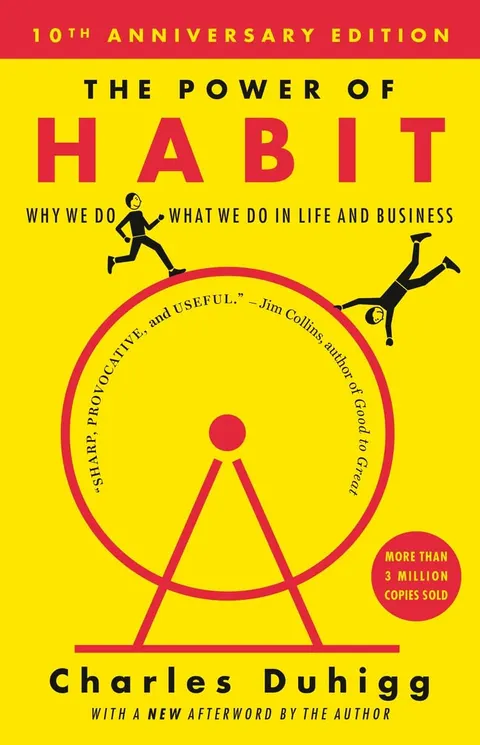
Charles Duhigg explains how habits form and how they can be changed, drawing on neuroscience and case studies. The book is accessible and practical.
Read more
It is the natural companion to the agreement to always do your best, because it explains why doing your best is easier when the right habits are in place.
For: Readers who want to understand how habits work before changing them.
While reading: Pick one habit to work on while you read.
Next: Finish with The 7 Habits of Highly Effective People for a complete framework.
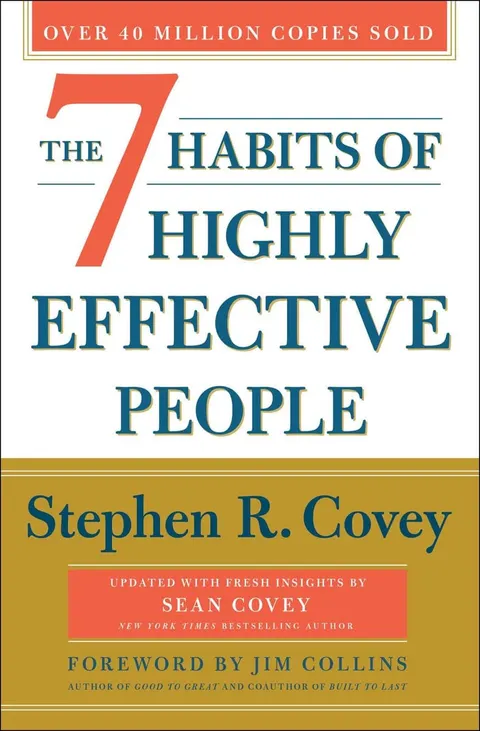
Stephen R. Covey sets out seven principles for personal and professional effectiveness, from taking initiative to sharpening the saw. It is one of the best-selling self-help books ever written.
Read more
Like The Four Agreements, it gives the reader a short list of principles to remember, though its scope is wider and its tone more structured.
For: Readers who want a full framework rather than a few codes.
While reading: Read one habit at a time and give each a week.
Next: Return to The Four Agreements and notice how the two lists fit together.
MrBeast, Eliud Kipchoge
Reading path
If you want to stay close to Ruiz, read The Voice of Knowledge first. It is the most direct continuation, and it keeps the same calm, practical tone. Then choose between Eckhart Tolle and Michael Singer: The Untethered Soul is shorter and more hands-on, The Power of Now and A New Earth are deeper and slower.
If the four codes appealed to you as a set of rules, go next to Meditations and read it a few entries at a time. The Obstacle Is the Way puts the same ideas in modern language. Keep The Prophet for evenings when you want reflection rather than advice.
Read more
If your aim is change in daily life, begin with The Power of Habit, then The 7 Habits of Highly Effective People. The Subtle Art of Not Giving a F*ck fits anywhere on this path when you want something sharper and lighter.
 Alicia Keys