Books like Man's Search for Meaning: suffering and purpose
Nine books for readers of Viktor Frankl: the Stoics, Paul Kalanithi, Joan Didion, Ernest Becker and the psychology of flow and happiness.
0/9 books read0%
Few books carry the authority of Man's Search for Meaning. The psychiatrist Viktor Frankl recounts his years in Nazi concentration camps and the conviction that carried him through: that people can endure almost anything if they find a reason to live. The second half of the book sets out logotherapy, his approach to finding meaning. It is short, but readers often describe putting it down for a while before they can go on.
Read more
Because the book does two things at once, there are two ways to follow it. One is to stay with the idea itself: that how we respond to suffering is still ours to choose. That idea is very old, and the Roman Stoics wrote about it with remarkable clarity. The other is to stay with the experience: books by people who faced illness, grief or death and wrote about it plainly. A third, smaller group comes from modern psychology, which has tried to understand meaning and well-being with the tools of research.
The nine books below are grouped along those lines. Some are ancient and some are recent; some are calm and some are painful. What they share with Frankl is honesty. None of them promises that life will be easy, and all of them take seriously the question of what makes it worth living anyway.
Who it is for: Readers who finished Man's Search for Meaning and want other honest books about hardship, mortality and what makes a life worth living.
Roman writers who thought hard about what lies within our control and what does not. Frankl's idea that we can choose our attitude even when we cannot choose our circumstances sits comfortably beside them.
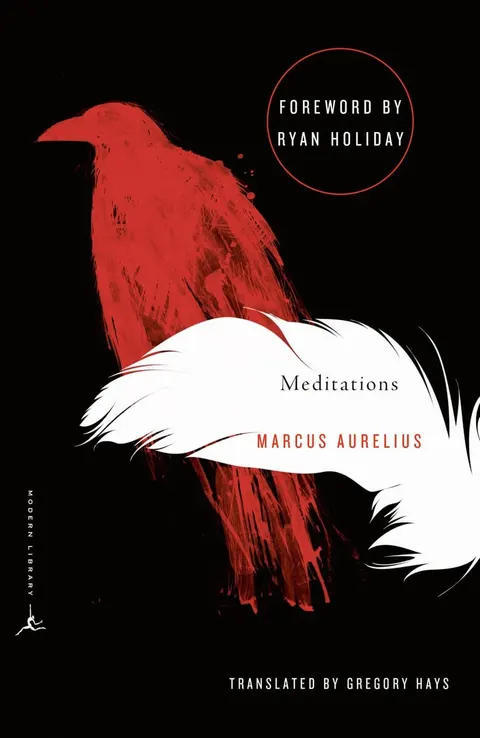
The private notebooks of the Roman emperor Marcus Aurelius were written as reminders to himself on living with discipline, patience and humility. They remain a cornerstone of Stoic thought and are still widely read.
Read more
Like Frankl, Marcus writes as someone under pressure, not as a teacher addressing a class, and that gives his notes a rare directness.
For: Readers who want short, private reflections on how to meet hardship with steadiness.
While reading: Read a few entries at a time; the book was never meant to be read straight through.
Next: Continue with Seneca's letters for a warmer, more conversational Stoic voice.
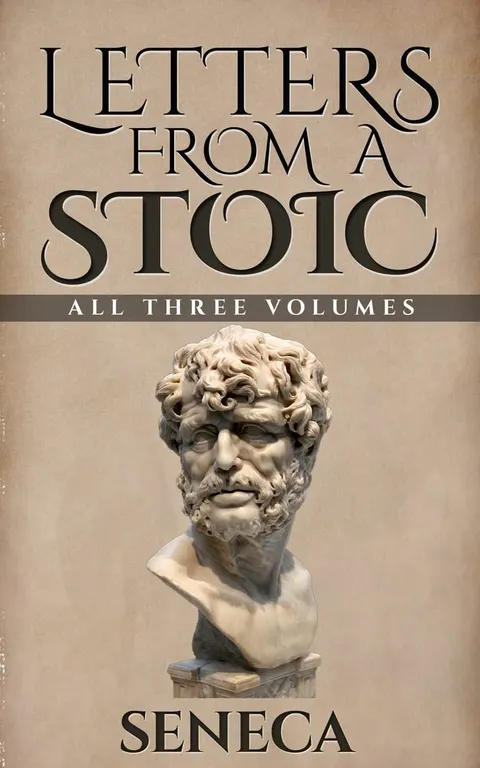
These letters from the Roman philosopher Seneca to his friend Lucilius cover how to live well, face death and meet misfortune. They are a key text of Stoic practice.
Read more
The letter form makes the ideas personal and practical, and the subjects overlap closely with the questions Frankl's book leaves behind.
For: Readers who want Stoic ideas explained as advice to a friend.
While reading: Read one letter a day; each is short and complete in itself.
Next: Pick up On the Shortness of Life for Seneca's thoughts on how we spend our time.
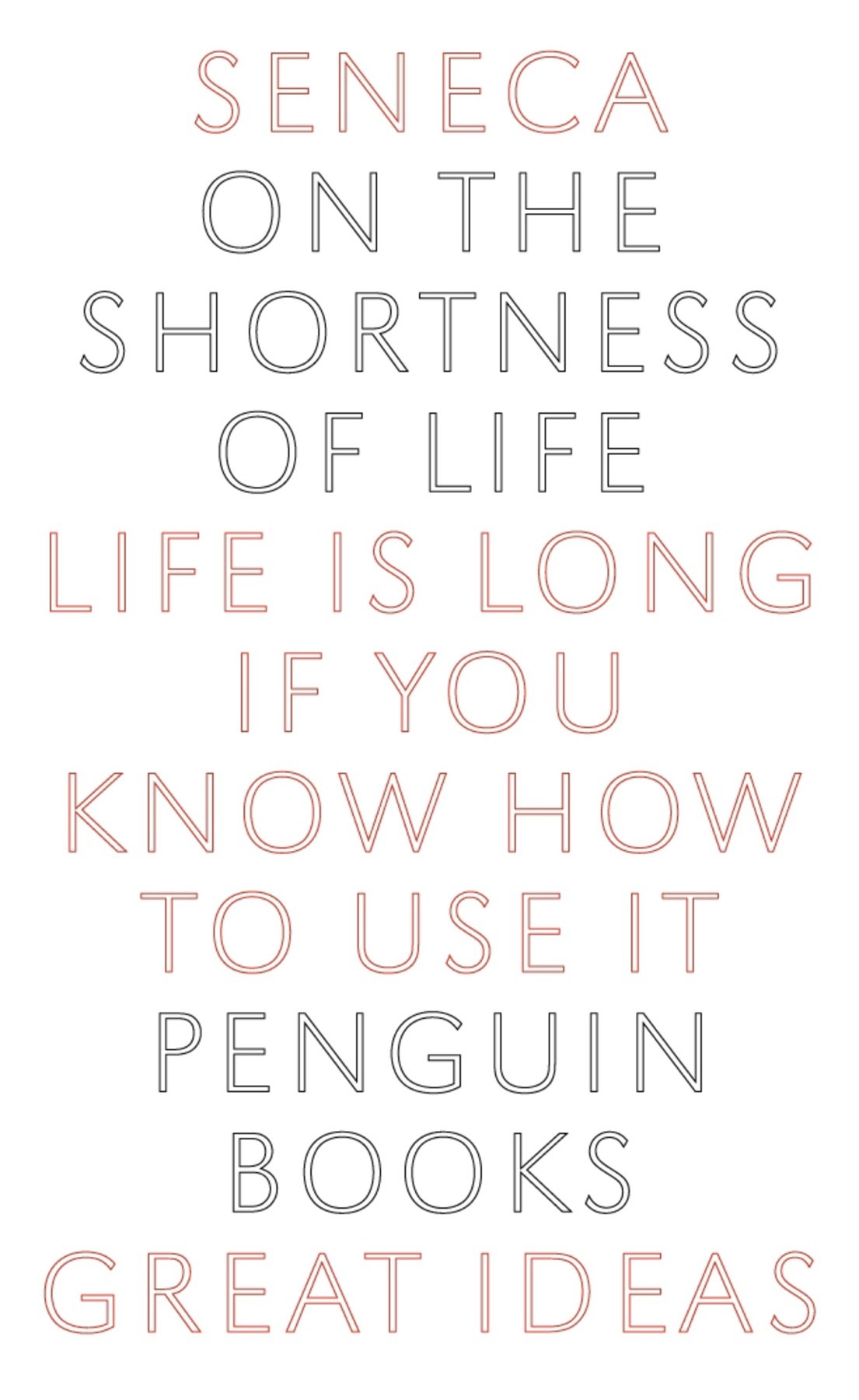
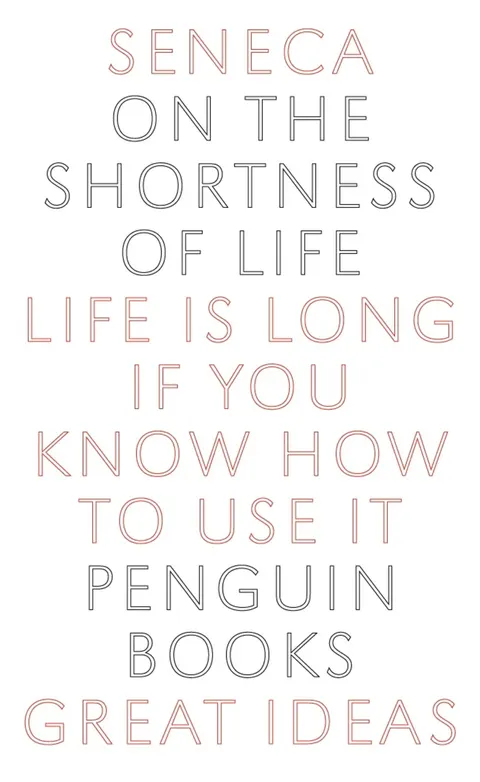
Seneca's writings on the art of living, gathered under a title that names its subject: how little time we have, and how we use it. It is a compact book and a good companion to the letters.
Read more
Its concern with how we spend the days we have connects naturally with Frankl's emphasis on responsibility and purpose.
For: Readers who want a short, focused book on how to use the time they have.
While reading: It can be read in an afternoon; it is worth reading twice.
Next: Try The Enchiridion for the most concentrated Stoic text of all.
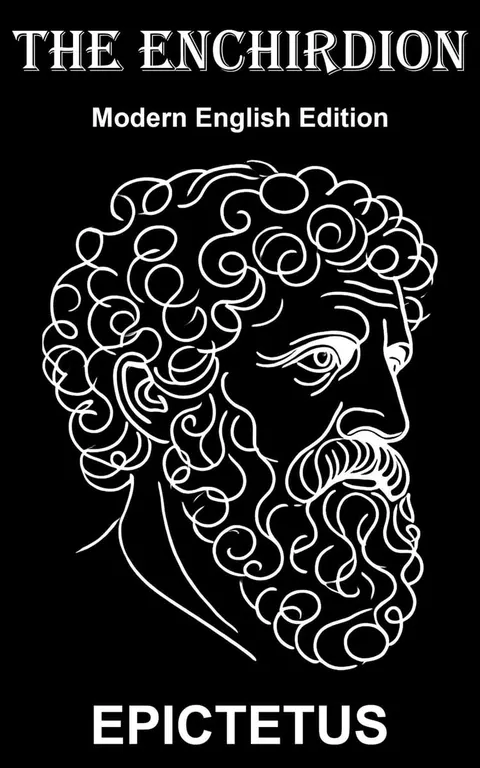
A short handbook of Stoic advice compiled by Arrian from the teachings of Epictetus, a former slave who became one of Rome's best-known Stoic teachers. Its central concern is the line between what is and is not in our power.
Read more
Coming to it after Frankl, many readers notice how a teacher who had himself known a lack of freedom arrived at a similar conclusion about inner freedom.
For: Readers who want the essentials of Stoicism in the fewest possible pages.
While reading: Read it in one sitting, then keep it nearby and return to single passages.
Next: Move to Group 2 for modern books that test these ideas against real loss.
Naval Ravikant
Group 2: Facing illness and grief
Two memoirs written from inside the hardest experiences, and one book of ideas about why death shapes so much of what we do.
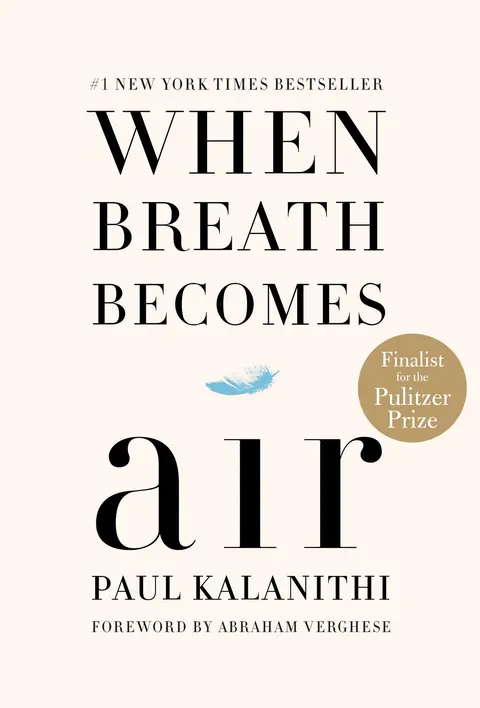
The neurosurgeon Paul Kalanithi's memoir of his life and his fight with stage IV lung cancer was published by Random House in 2016, after his death. Like Frankl, Kalanithi was a doctor who found himself on the other side of suffering, and he writes about it with a clinician's precision and a reader's love of language.
Read more
For: Readers who want a modern, personal account of facing mortality.
While reading: It is short but heavy; leave some time after finishing it.
Next: Read The Year of Magical Thinking for a different kind of loss.
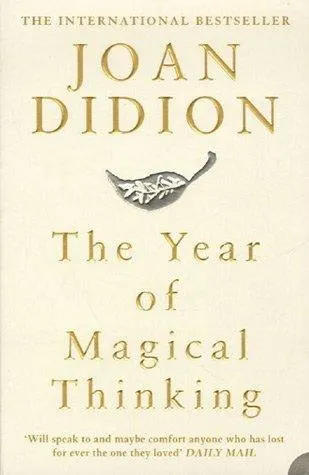
Joan Didion's memoir of the year after the death of her husband, John Gregory Dunne, in 2003 won the 2005 National Book Award for Nonfiction. It is a book about grief told with great care.
Read more
Where Frankl writes about finding meaning in suffering, Didion writes about the way the mind tries to make sense of loss, and the two books speak to each other quietly.
For: Readers who have known grief, or who want to understand it better.
While reading: Read it slowly; much of its power is in how carefully it is written.
Next: Turn to The Denial of Death for a wider view of how people respond to mortality.
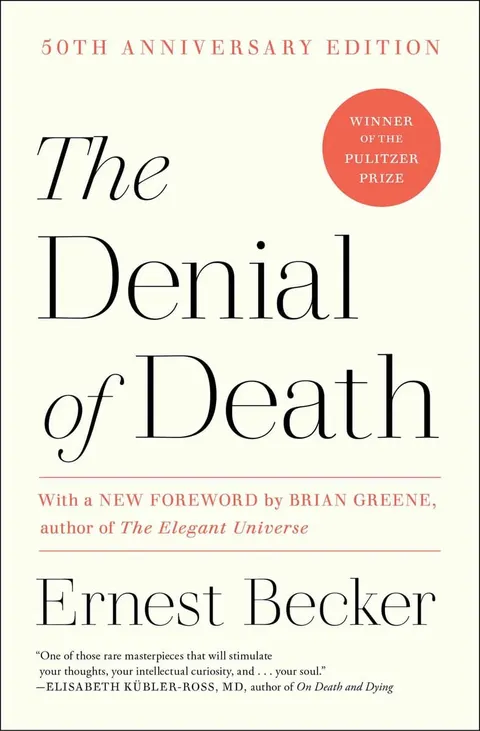
Ernest Becker argues that the fear of death shapes human behaviour and civilisation itself. It is a Pulitzer-winning work of psychology and philosophy.
Read more
It is far denser than Frankl's book, but it takes up one of his deepest subjects at full length, and readers interested in the psychology behind meaning often find it essential.
For: Readers who want a demanding, ambitious book about the psychology of mortality.
While reading: Take it in chapters and give each one time; it is not a quick read.
Next: Balance it with something lighter from Group 3.
Darren Aronofsky, Eric Weinstein and 1 more
Group 3: The psychology of a good life
Two books from modern psychology that study meaning and well-being with research rather than memoir.
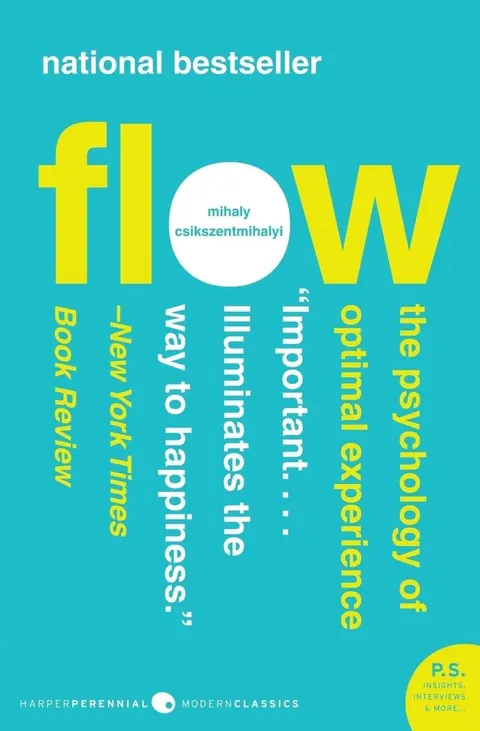
Mihaly Csikszentmihalyi's study of flow, the state of complete absorption in an activity. It approaches the question of a good life from a different direction than Frankl: not through suffering but through the moments when people are fully engaged in what they are doing.
Read more
Read together, the two books cover both ends of human experience.
For: Readers curious about what psychology says about engagement and fulfilment.
While reading: Read it with your own work and hobbies in mind; it invites self-observation.
Next: Continue with The Happiness Hypothesis for a broader survey.
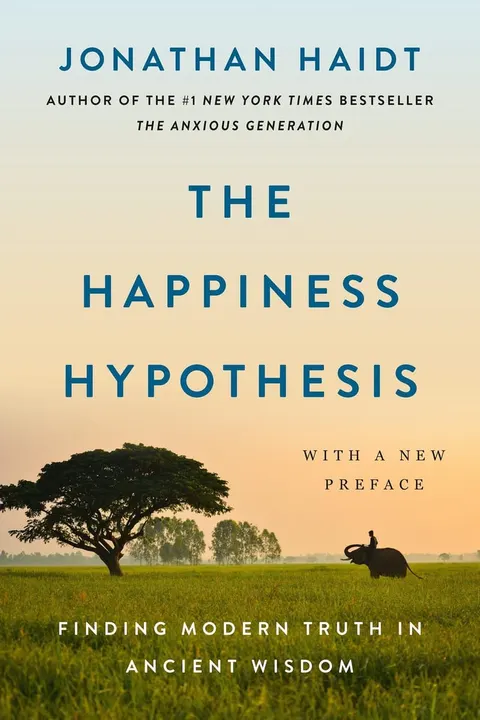
Jonathan Haidt tests ancient ideas about happiness against modern psychology, in an engaging mix of philosophy and science. It is a useful bridge between the Stoics in Group 1 and the research in this group, and it suits readers who want to know which old ideas hold up.
Read more
For: Readers who want ancient wisdom checked against modern evidence.
While reading: Read a chapter at a time; each takes up a separate idea.
Next: Return to Meditations or Seneca with fresh eyes.
Joe Rogan, Charles Koch and 2 more
Reading path
If you want to stay with Frankl's central idea, start with The Enchiridion. It is the shortest book here and the clearest statement of the Stoic view that we control our responses rather than our circumstances. Follow it with Meditations, then Seneca's letters and On the Shortness of Life, reading a little at a time.
If what moved you was Frankl's personal testimony, read When Breath Becomes Air next, then The Year of Magical Thinking. Give yourself time between them. The Denial of Death is best left until you want a long, demanding book of ideas.
Read more
If you prefer evidence to testimony, Flow and The Happiness Hypothesis make a good pair. They are also good books to read in between the heavier titles here, because they look at meaning from the side of everyday life rather than crisis.


 Hugh Jackman, Anna Kendrick and 11 more