Books like Meditations: Stoic reading after Marcus Aurelius
After Meditations: Seneca and Epictetus, then modern books on adversity, meaning and calm by Holiday, Frankl, Haidt and others.
0/8 books read0%
Meditations was never meant to be read by anyone else. It is the private notebook of the Roman emperor Marcus Aurelius, written as reminders to himself on living with discipline, patience and humility. That is part of its strange power: you are reading someone talking himself through the day, and the advice lands as if it were meant for you. It remains a cornerstone of Stoic thought and is still widely read.
Read more
Once you finish it, the first wish is often simply for more. Luckily Marcus was not alone. Two other Roman Stoics left writing that is just as readable, and a number of later books, some ancient and some very recent, take up the same questions in their own way: how to meet hardship, what we can and cannot control, and how to find a reason to keep going.
The list below follows that path in three steps. First come the other Stoics, the closest relatives of Meditations. Then two modern books that carry Stoic ideas into the present. Last, a wider circle of books from other traditions that share the same practical spirit. Most are short, and many can be read a page at a time, as Meditations is.
Who it is for: Readers who found something steadying in Meditations and want more of the same, either from the other Stoics or from later writers who take up the same questions about adversity and how to live.
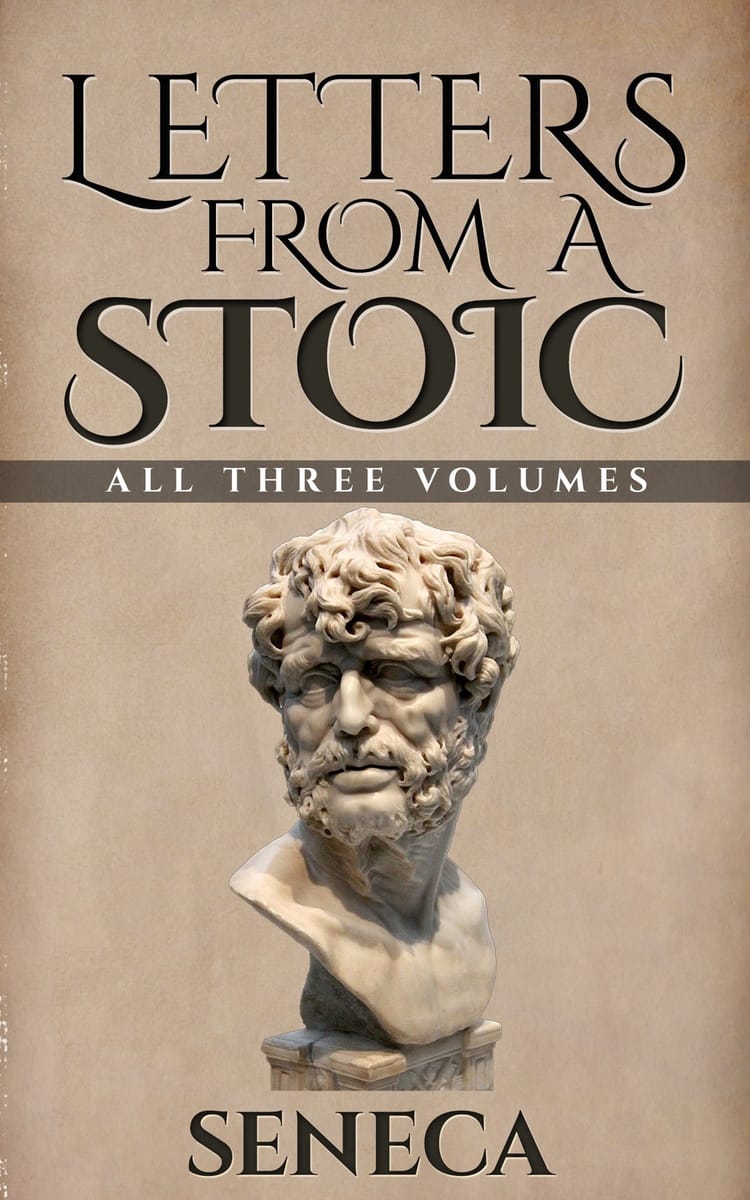
Seneca's letters to his friend Lucilius are about how to live well, face death and meet misfortune, and they are a key text of Stoic practice. Where Meditations is written to oneself, these are written to a friend, so they are warmer and more conversational.
Read more
They are some of the easiest Stoic writing to return to.
For: Readers who want the next most natural Stoic book.
While reading: Read one letter at a time and stop to think about it before moving on.
Next: On the Shortness of Life is a short companion from the same author.
A collection of Seneca's Stoic writings on the art of living. It is compact enough to read in an afternoon, and its theme, how we spend the time we have, connects closely to Marcus's own reminders about the passing of each day.
Read more
For: Readers who want something short to carry around.
While reading: Keep a note of the passages you want to come back to.
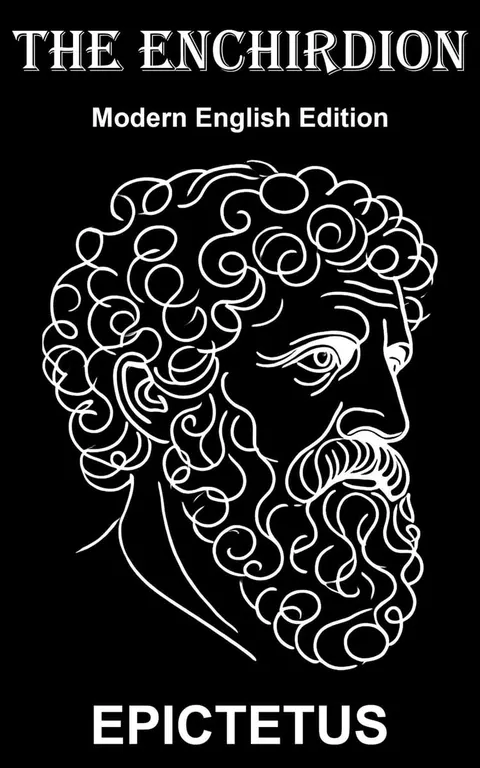
A short handbook of Stoic advice compiled by Arrian from the teachings of Epictetus, a former slave who became one of Rome's best-known Stoic teachers. It is the most compressed Stoic text on this list, close to Meditations in its directness.
Read more
The contrast between an emperor and a former slave arriving at the same philosophy is worth thinking about on its own.
For: Readers who liked the brief, pointed notes in Meditations.
While reading: Read slowly; each short section is meant to be practised, not just understood.
Next: Move on to the modern books in the next group.
Naval Ravikant
Group 2: Stoic ideas in the present
Two recent books that test old ideas against modern life, one through stories and one through psychology.
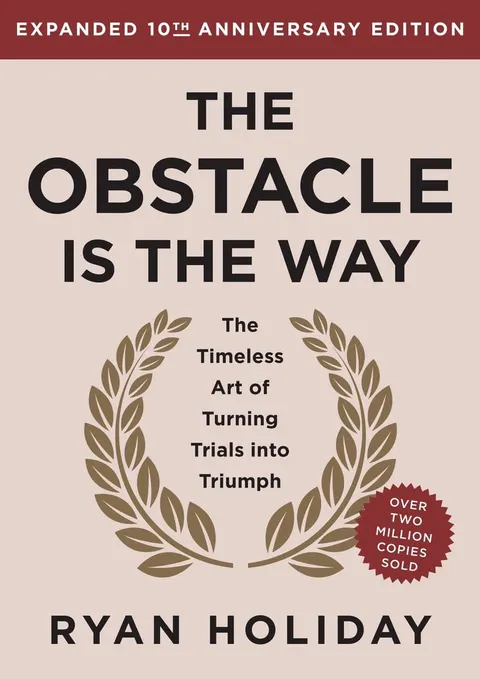
Ryan Holiday applies Stoic philosophy to the obstacles of modern life, arguing that adversity can become advantage. It is a popular, practical introduction rooted in the same tradition as Meditations.
Read more
It suits readers who want the ideas in Meditations translated into concrete examples.
For: Readers who want Stoicism made practical for work and daily life.
While reading: Pick one obstacle you are facing and read with it in mind.
Next: The Happiness Hypothesis looks at similar ideas through science.
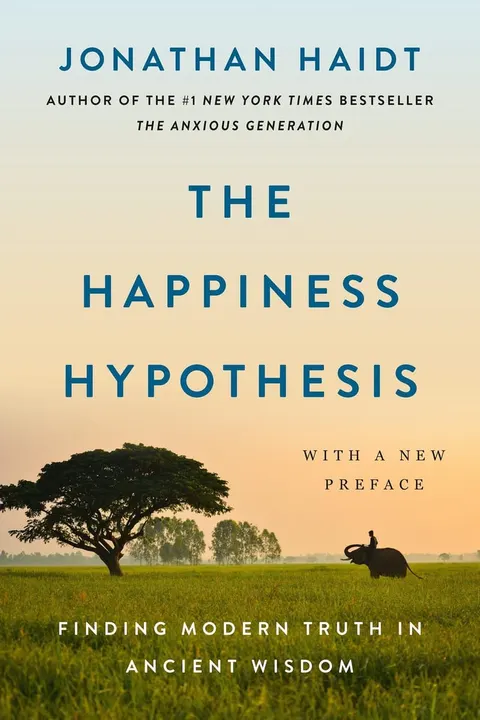
Jonathan Haidt tests ancient ideas about happiness against modern psychology. It is an engaging mix of philosophy and science, and it is a useful way to see which pieces of ancient advice, including Stoic advice, hold up under modern study.
Read more
For: Readers who want evidence alongside wisdom.
While reading: Notice where Haidt agrees with the Stoics and where he pushes back.
Next: Read Man's Search for Meaning next.
Joe Rogan, Charles Koch and 2 more
Group 3: The same spirit, other traditions
Three books from very different places and times that share Meditations' practical focus on discipline, endurance and conduct.
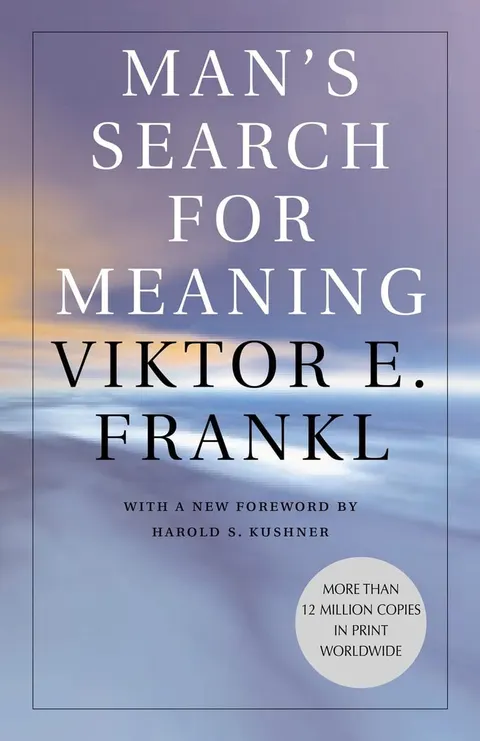
Psychiatrist Viktor Frankl recounts his years in Nazi concentration camps and the conviction that carried him through: that people can endure almost anything if they find a reason to live. The second half sets out logotherapy, his approach to finding meaning.
Read more
It is the most moving book on this list, and it puts Stoic ideas about choosing one's response to the hardest possible test.
For: Every reader of Meditations; it is the most important book here after the Stoics themselves.
While reading: Give it time; the first half is difficult to read quickly, and it should not be.
Next: The Book of Five Rings offers a very different kind of discipline.
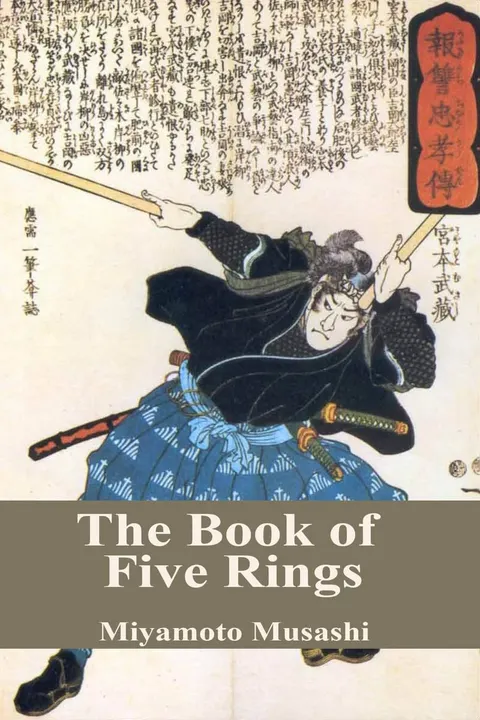
A seventeenth-century treatise on strategy by the undefeated Japanese swordsman Miyamoto Musashi. Though written about sword fighting, it is widely read as a guide to discipline and competition.
Read more
Like Meditations, it is the work of a practitioner rather than a theorist, and its focus on training the mind will feel familiar.
For: Readers interested in discipline and practice more than philosophy.
While reading: Read the advice about combat as advice about any skill you are working on.
Next: The Four Agreements is the simplest close to this list.
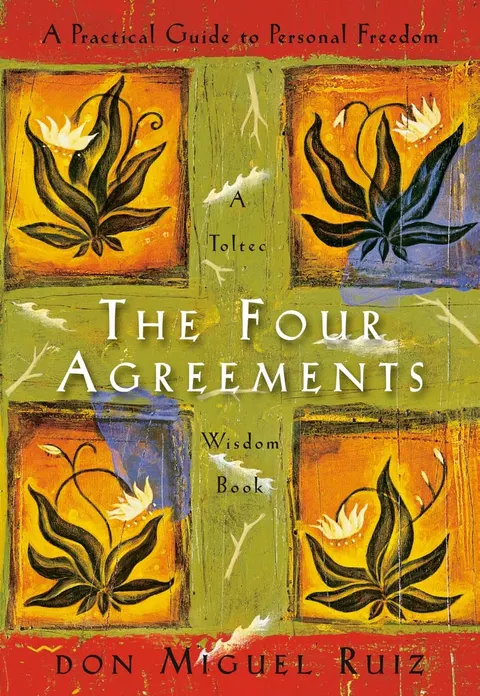
Don Miguel Ruiz distils Toltec wisdom into four personal codes: be impeccable with your word, don't take things personally, don't make assumptions, always do your best. It is a short, popular guide to personal freedom.
Read more
Its brief, memorable rules sit comfortably next to Marcus's reminders to himself.
For: Readers who want a few clear rules they can actually remember.
While reading: Try keeping one agreement for a week before reading the next chapter.
Next: For a wider introduction, see the list of philosophy books for beginners.
Kendall Jenner, Ellen DeGeneres and 6 more
Reading path
Start with Letters from a Stoic. It is the closest in spirit to Meditations and the easiest to dip into. Follow it with The Enchiridion, then On the Shortness of Life, and you will have read the core of Roman Stoicism.
After that, Man's Search for Meaning is the one book that every reader of Marcus should come to sooner or later. The Obstacle Is the Way and The Happiness Hypothesis make good modern companions, and The Book of Five Rings and The Four Agreements can be read whenever you want something short and different.



 Ryan Holiday, Tim Ferriss and 1 more