Books like Thinking, Fast and Slow: bias, chance, choice
After Kahneman: Taleb on chance, Duke and Tetlock on decisions, Cialdini on persuasion, Gladwell, Nudge and more, with a reading order.
0/10 books read0%
Thinking, Fast and Slow changes the way you notice your own mind. Daniel Kahneman, a Nobel-winning psychologist, describes two systems that drive our thinking: one fast and intuitive, one slow and deliberate. The book is a tour of the biases that quietly shape our judgments, and once you have read it, you start seeing them everywhere, in the news, at work and in your own small decisions.
Read more
The natural next step is to follow those ideas into the places where they matter most. Some of the books below look at chance and how badly we account for it. Some are about making better decisions when the facts are incomplete. Others look at how other people use our mental shortcuts to persuade us, and how good design can steer choices in better directions.
The list is arranged in four groups so you can follow the thread that interested you most. Ten books are enough to cover the field without repeating Kahneman. Several are lighter than his book, and a few are more argumentative, so the reading order at the end suggests a mix that keeps things varied.
Who it is for: Readers who finished Thinking, Fast and Slow and want to keep exploring how people judge, decide and get fooled, whether in daily life, in money or in forecasting.
Kahneman shows how our minds misjudge probability. These two books by Nassim Nicholas Taleb take that idea into markets and history, and they are more provocative in tone.
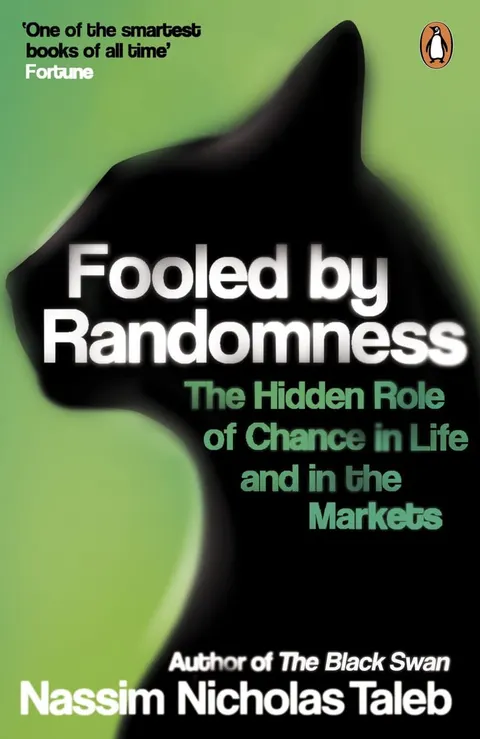
Taleb's 2001 book is about the hidden role of chance in life and in the markets. It is a natural companion to the parts of Thinking, Fast and Slow that deal with luck and overconfidence, and its focus on everyday luck makes it an easy way into Taleb's thinking before his larger argument.
Read more
For: Readers who were struck by how often skill is confused with luck.
While reading: Think of a success you admire and ask how much of it might be chance.
Next: Move on to The Black Swan for the larger argument.
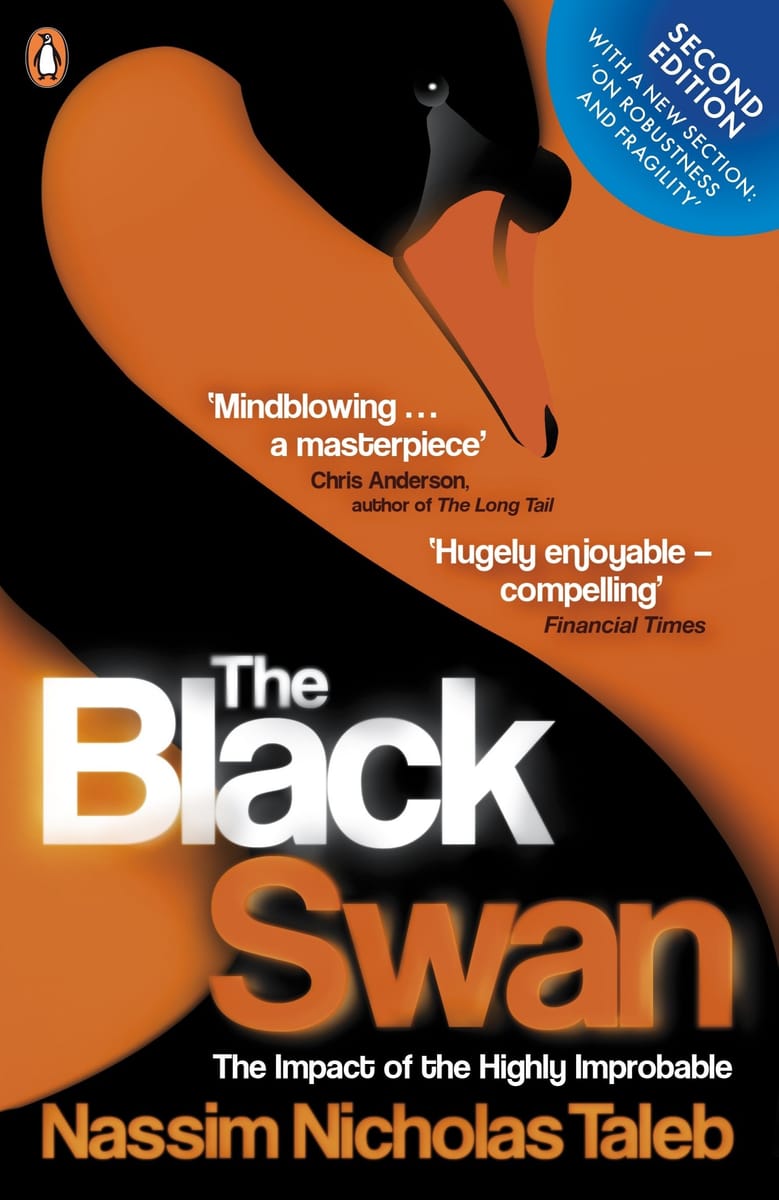
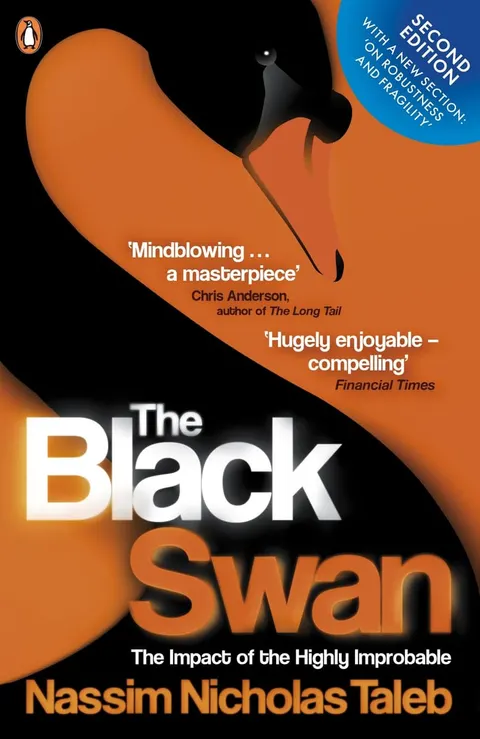
Taleb examines how rare, unpredictable events shape history and markets. It is a provocative challenge to conventional forecasting, and it pushes Kahneman's point about overconfidence much further.
Read more
Expect strong opinions and a provocative voice.
For: Readers who want to question how much anyone can really predict.
While reading: Notice which events in your own life were truly unexpected, and how you explained them afterwards.
Next: Balance it with Superforecasting, which takes a more hopeful view.
Jeff Bezos, Naval Ravikant and 1 more
Group 2: Deciding and forecasting under uncertainty
Three books about doing better, not just understanding what goes wrong. They are practical and readable, and each takes a different route to the same goal.
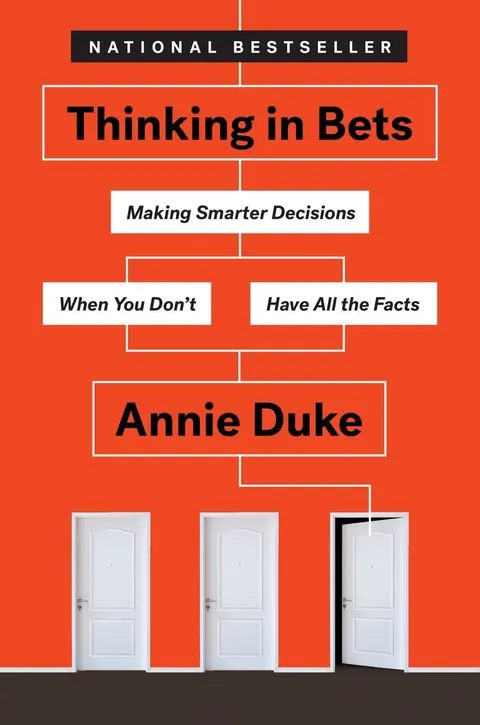
Annie Duke, a former poker player, shows how to make better decisions under uncertainty. It is a practical, readable book that turns Kahneman's warnings into habits you can actually use.
Read more
Duke's background at the poker table gives the ideas a concrete, game-like feel that makes them easy to remember.
For: Readers who want something they can apply right away.
While reading: Keep one recent decision in mind and judge it by the process, not the result.
Next: Superforecasting widens the same idea to predictions.
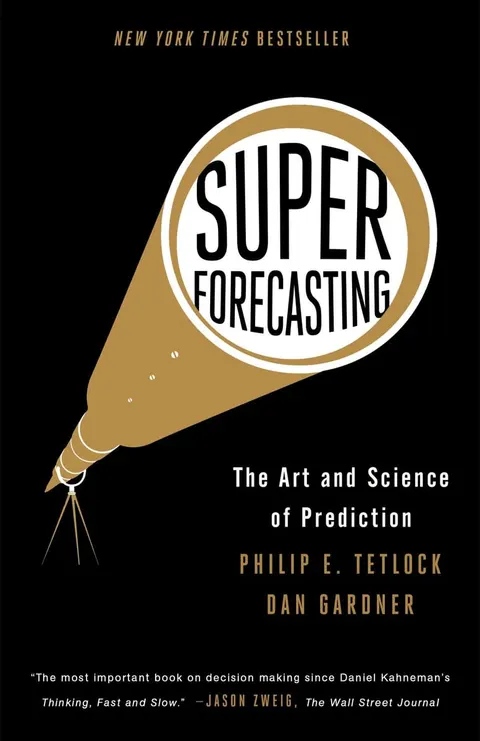
Philip Tetlock and Dan Gardner explain why most people forecast poorly and what the few who do it well have in common. It is a more hopeful answer to the problems Kahneman and Taleb describe: prediction is hard, but some habits make it less hard.
Read more
For: Readers who want evidence that judgment can be improved.
While reading: Note the habits the good forecasters share and try one of them.
Next: The Signal and the Noise covers similar ground through many fields.
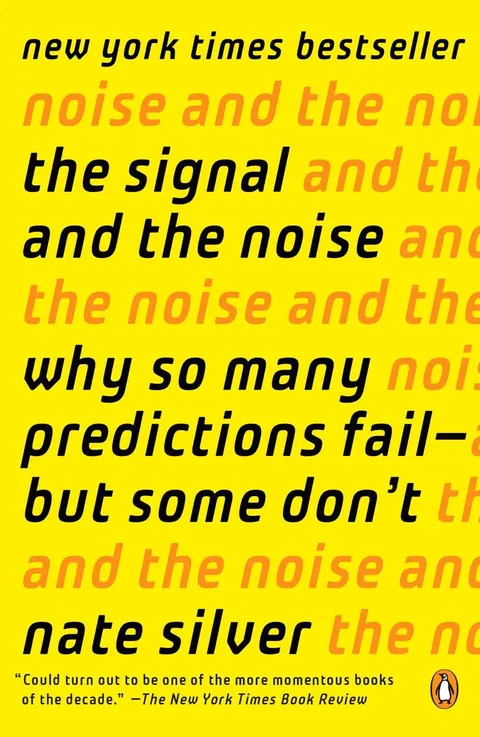
Nate Silver explains why most predictions fail and how forecasters can do better. It is a good fit for readers who enjoyed the statistical side of Thinking, Fast and Slow and want to see it at work across different fields.
Read more
For: Readers who like numbers and real examples.
While reading: Watch for the difference Silver draws between real patterns and noise.
Next: Turn to The Psychology of Money for the same ideas applied to personal finance.
Kevin Systrom
Group 3: Money, persuasion and choice
Three books that show the same mental shortcuts at work in our finances, in the people trying to persuade us and in the way choices are presented.
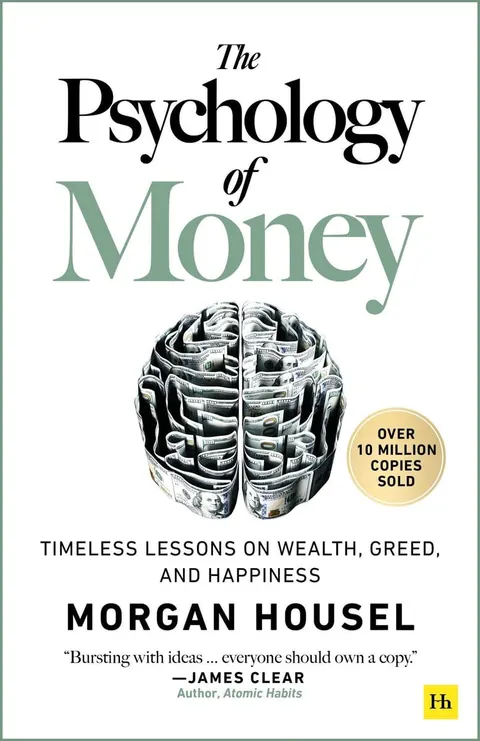
Morgan Housel's 2020 book is about how people think about money, and how behaviour and emotion shape financial decisions. It is one of the easiest ways to bring Kahneman's ideas into daily life, because nearly everyone has made a money decision they later struggled to explain.
Read more
For: Readers who want behavioural ideas applied to their own finances.
While reading: Ask yourself which of your money habits are about numbers and which are about feelings.
Next: Influence shows how others use the same shortcuts.
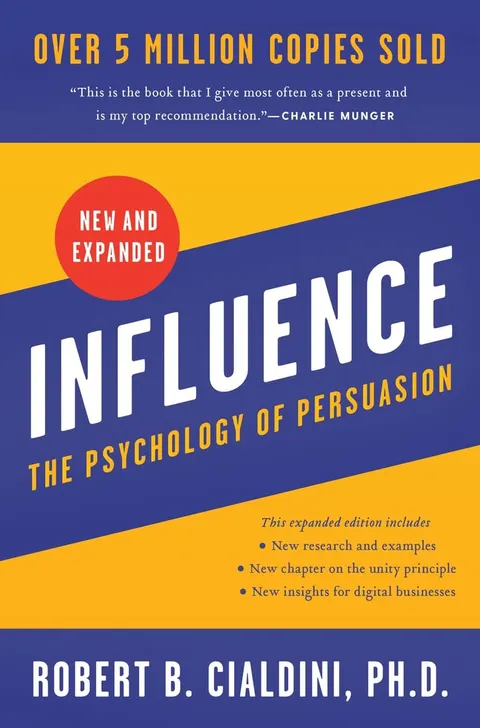
Robert Cialdini lays out the principles of social influence, from reciprocity to social proof, based on years of research. It is a practical guide to how persuasion works and how to resist it.
Read more
Where Kahneman explains the shortcuts, Cialdini shows how others take advantage of them.
For: Readers who want to recognise persuasion when they meet it.
While reading: Look for each principle in the advertising and requests you see this week.
Next: Nudge looks at the same tendencies from the designer's side.
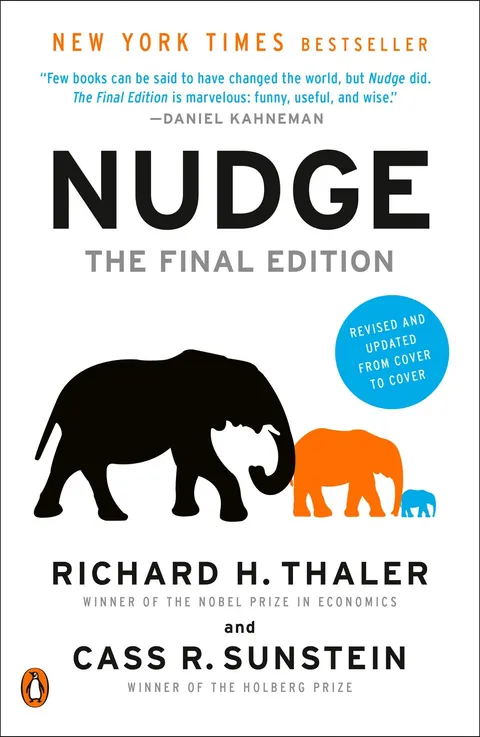
Richard Thaler and Cass Sunstein's 2008 book is about improving decisions about health, wealth and happiness; a revised edition appeared in 2021 as The Final Edition. It takes the biases Kahneman describes and asks how choices can be arranged so people are more likely to choose well.
Read more
For: Readers interested in policy, design and everyday choices.
While reading: Notice how the defaults and layouts around you shape what you pick.
Next: Move on to Gladwell for a lighter change of pace.
Ben Shapiro
Group 4: Lighter reads on snap judgments and spread
Two books by Malcolm Gladwell that are quicker and more anecdotal than Kahneman. They work well as a break between heavier titles.
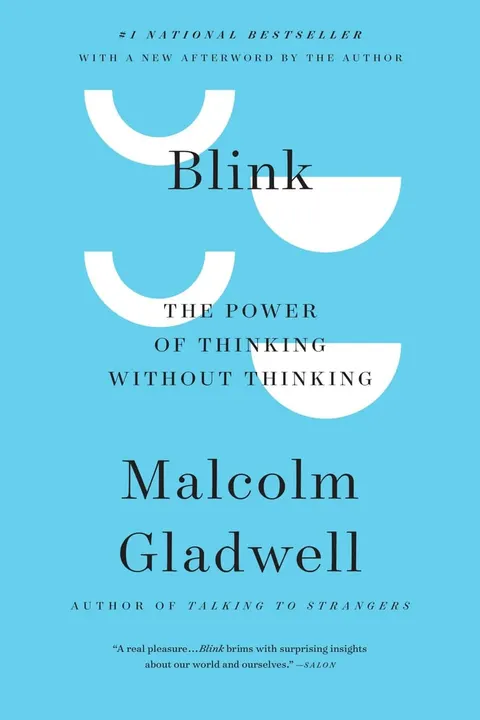
Gladwell's 2005 book is about the adaptive unconscious, the fast judgments we make from little information, and when they help or mislead us. It is a friendly companion to Kahneman's fast system, told through stories rather than experiments.
Read more
For: Readers who want a lighter look at intuition.
While reading: Compare its view of quick judgments with Kahneman's more cautious one.
Next: The Tipping Point turns from individuals to groups.
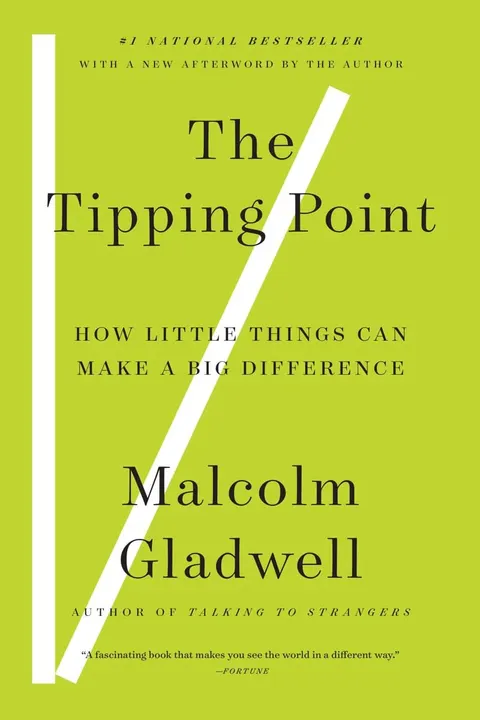
Gladwell's 2000 debut explains how ideas and behaviours spread like epidemics, reaching a tipping point: the threshold where little things make a big difference. It moves the focus from how one mind works to how many minds move together.
Read more
For: Readers curious about trends and how they start.
While reading: Think of a trend you watched take off and look for the small causes behind it.
Next: If you want more nonfiction of this kind, see the list of books like Sapiens.
Joe Rogan, Mike Shinoda
Reading path
If you want to stay close to Kahneman's own concerns, start with Thinking in Bets, the most practical book here, then Superforecasting. If chance and luck were what stayed with you, read Fooled by Randomness and then The Black Swan.
Mix in a lighter book every two or three titles: The Psychology of Money and Blink both read quickly. Influence and Nudge pair well together, one showing how shortcuts are exploited and the other how they can be used for good. Leave The Signal and the Noise for when you want something longer and more detailed.
 Naval Ravikant