A book a month for 2027: short classics to build the habit, big novels for summer and ideas to close the year, in a realistic order.
0/12 books read0%
Most reading goals fail in February. The year begins with a long list and good intentions, the first book turns out to be heavy, and by the time it is finished the habit has already slipped. The problem is rarely discipline. It is usually the order of the books.
Read more
Twelve books in a year is a goal almost anyone can reach: one a month, a few pages a day. What makes it work is sequencing. Start with short books that you can finish in a week, so the first months give you a sense of progress. Save the longest novels for the summer, when evenings are light and holidays leave room. Close the year with books that make you think back over it.
The twelve books below follow that rhythm. They mix classic fiction and accessible non-fiction, so that no two months feel the same, and every one of them is widely read enough that you will find people to talk to about it. None is chosen to impress; each is chosen to be finished.
Use the list as a scaffold rather than a contract. If a month goes badly, skip ahead to a shorter book and come back later. If one of these titles is already on your shelf, read it first. The aim is twelve finished books by December 2027, not a perfect record.
Who it is for: Readers who want to set a reading goal for 2027 and actually keep it, especially those who have started and abandoned a reading challenge before.
Five books for the first five months. The first two are short enough to finish in days, which gives the goal early momentum. The next three widen the range, from science to history to a modern novel, so that each month brings something new.
Kafka's novella opens with a salesman waking up transformed into an enormous insect. It is a bleak, darkly comic story about alienation and family, and its brevity makes it the ideal first book of a reading year: you finish January's goal in a weekend and feel the habit start.
Read more
PewDiePie, Lex Fridman and Orhan Pamuk all have it among their books.
For: Anyone starting a reading goal from zero.
While reading: Notice how the family reacts; that is where the story's real weight lies.
Next: Move on to The Old Man and the Sea to keep the pace.
Hemingway's novella tells of an ageing Cuban fisherman and his epic struggle with a giant marlin. It is a spare story about endurance and dignity, which is a fitting theme for the second month of a goal.
Read more
Short, plain and intense, it is easy to finish even in a busy February. Cillian Murphy, Lex Fridman and Mark Manson have it on their shelves.
For: Readers who want a classic that does not require stamina.
While reading: Read slowly; the prose is simple, but every sentence is placed.
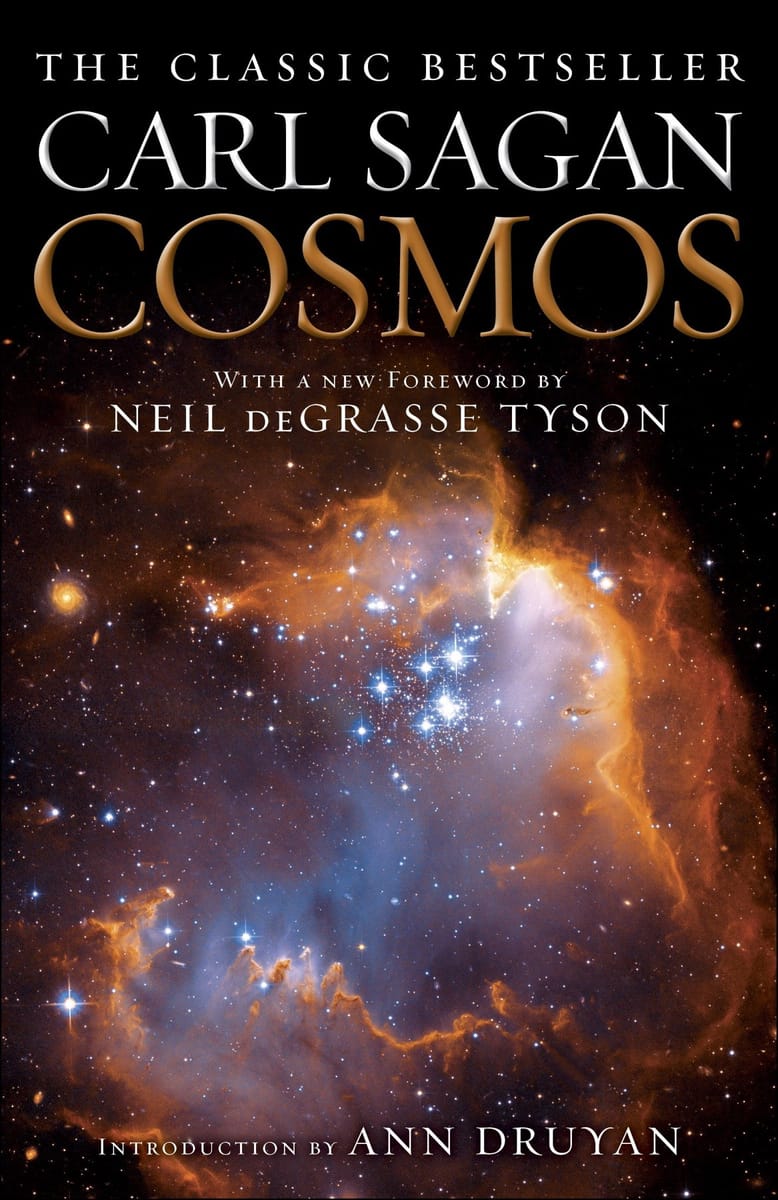
Carl Sagan's companion to his television series takes readers from the Big Bang to the human brain. It is a classic of science writing that conveys wonder as well as fact, and it brings a change of tone after two novels.
Read more
Richard Branson and Bill Nye both have it among their books.
For: Readers who want a month of curiosity rather than plot.
While reading: Take one chapter at a time rather than reading it in a rush.
Next: Sapiens continues the big-picture view, this time of our species.
Yuval Noah Harari traces the history of our species from the Stone Age to the present. It is a sweeping, provocative account of cognition, culture and power, and it is one of the most widely shared books of recent years: Naval Ravikant, Mark Zuckerberg and Joe Rogan are among the many people who have it on their shelves.
Read more
As an April book it works well because it sparks conversation.
For: Readers who like big ideas and arguments to disagree with.
While reading: Keep a note of the claims that surprise you; they make good discussion points.
Next: Atomic Habits turns the big picture back to your own daily life.
James Clear's guide to building good habits and breaking bad ones through small, consistent changes is the most practical book on this list, and it sits at the point in the year when many goals start to fade. Reading it in May is a way of reinforcing the reading habit itself.
Read more
Eliud Kipchoge and Derek Sivers have it among their books.
For: Anyone who feels the year's goals slipping.
While reading: Apply one idea to your reading routine as you go, such as a fixed time or place.
Next: With the habit set, summer is the time for a longer novel.
Eliud Kipchoge, Tim Urban and 1 more
June to August: the summer novels
Summer is the best time of year for long fiction. Holidays, long evenings and travel leave room for books that need several weeks. These three are the most demanding on the list, so they get the season that suits them.
A destitute former student in St Petersburg murders a pawnbroker and is tormented by guilt as a detective closes in. Dostoevsky's psychological novel asks whether any end can justify a crime, and despite its length it reads with the pull of a thriller.
Read more
Timothée Chalamet, Benedict Cumberbatch and Esther Perel all have it among their books.
For: Readers ready for their first big Russian novel.
While reading: A short list of characters and their names helps in the first chapters.
Next: Pride and Prejudice is a lighter, wittier companion for July.
Timothée Chalamet, Benedict Cumberbatch and 4 more
Austen's comedy of manners follows Elizabeth Bennet and the proud Mr Darcy as they overcome first impressions. It is witty, romantic and endlessly rereadable, and after Dostoevsky it is a welcome change of temperature.
Read more
Hillary Clinton has it on her shelf.
For: Readers who want a classic that is genuinely funny.
While reading: Listen to the dialogue; much of the comedy is in what people avoid saying.
Next: Project Hail Mary closes the summer with pure fun.
Andy Weir's novel follows an amnesiac teacher who wakes up alone on a spaceship with the fate of Earth in his hands. It is hopeful, funny and full of problem solving, the perfect holiday book for the end of summer.
Read more
Bill Gates and Andrej Karpathy have it among their books.
For: Anyone, including readers who think science fiction is not for them.
While reading: Go in knowing as little as possible.
Next: Autumn brings a change of pace with Thinking, Fast and Slow.
Bill Gates, Andrej Karpathy and 3 more
September to December: closing the year
The last four months bring ideas and big novels together. One book about how we think, one about power, and two novels that suit the dark evenings at the end of the year.
Daniel Kahneman, a Nobel-winning psychologist, explains the two systems that drive our thinking: one fast and intuitive, one slow and deliberate. It is a tour of the biases that quietly shape our judgments, and it is a book that changes how you look back on the year's decisions.
Read more
Marc Andreessen and Bryan Johnson have it on their shelves.
For: Readers who enjoy psychology and like to question their own instincts.
While reading: It is dense; read a chapter, then pause before the next.
Next: Nineteen Eighty-Four turns from the individual mind to the state.
Orwell's dystopian classic imagines a totalitarian state of constant surveillance, doublethink and rewritten history. It is the source of Big Brother and a book that keeps finding new readers.
Read more
Noam Chomsky, Andrej Karpathy and Timothée Chalamet all have it among their books, which shows how widely it travels.
For: Anyone who has quoted it without reading it.
While reading: Pay attention to the way language is used and changed in the book.
Next: Snow is a novel about politics on a more human scale.
Orhan Pamuk's 2002 novel, translated into English in 2004, is set amid the political tensions of the snowbound city of Kars. It is a fitting November book, as winter begins, and it adds a voice from outside the English-language canon to the year.
Read more
Christopher Hitchens had it among his books.
For: Readers who want a political novel with atmosphere.
While reading: Let the snow set the pace; the city cut off from the world is part of the story.
Next: Finish the year with One Hundred Years of Solitude.
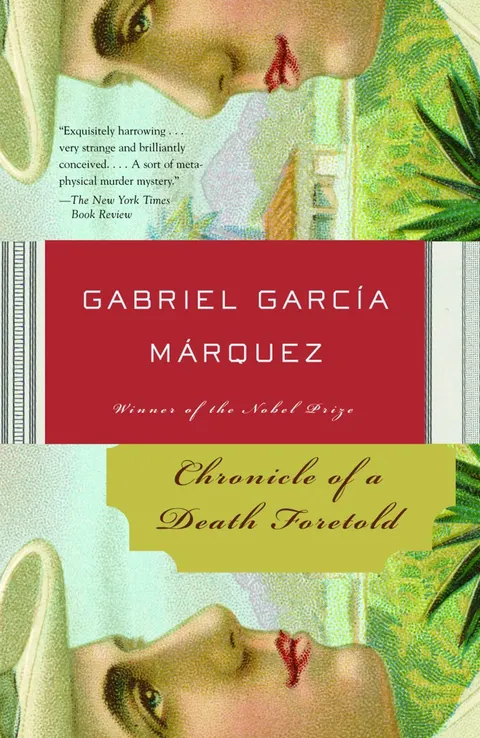
The saga of the Buendía family across seven generations in the fictional town of Macondo is a landmark of magical realism that blends the everyday with the miraculous. It is the right book to end a reading year: big, rich and memorable, with the Christmas holidays to finish it.
Read more
Dua Lipa, Oprah Winfrey and Alexandria Ocasio-Cortez have it on their shelves.
For: Readers who reach December with the habit firmly in place.
While reading: Keep the family tree handy; names such as Aureliano and José Arcadio return generation after generation.
Next: Count your twelve, then choose the first book of 2028.
Dua Lipa, Alexandria Ocasio-Cortez and 4 more
Reading path
The order is designed to keep you going. January and February are short books, so the goal feels real early. March to May bring non-fiction, which is easy to read in shorter sessions. The summer is reserved for the longest novels, and the autumn mixes ideas with fiction to finish strongly.
If you fall behind, do not try to catch up by reading two long books in one month. Instead, swap the order: move a short book forward and push a long one later. If you finish early, add a book rather than racing ahead. Twelve books finished is a better result than twenty started, and the habit you build in 2027 is worth more than the list itself.