Skip to content

Menu

My shelf

okai

Log a book

Frankenstein

Fiction · 11 min · 12 books

Best horror books: 12 novels from Frankenstein to Gone Girl

Twelve horror novels in three groups: the gothic founders, modern classics from King, Levin and Rice, and psychological dread where the monster is human.

0/12 books read0%

Horror is the genre most people think they know from films, and the one most likely to surprise them on the page. A film can make you jump; a novel has to make you afraid while the lights are on and nothing in the room has moved. The books that manage it do so in very different ways. Some build a monster and let it walk into an ordinary life. Others take an ordinary life and slowly show you what was rotten in it from the start.

Read more

This list follows that line from its beginnings to the present. The first group goes back to the nineteenth century and the early twentieth, when the gothic novel gave us a scientist who builds a living being, a count who travels from Transylvania to England, and a house that cannot forget its first mistress. These are not museum pieces. Each one still works as a story, and each set a pattern that later writers have borrowed for generations.

The second group belongs to the modern era, roughly the 1950s to the 1980s, when horror became a bestseller genre. Here are the apartment building with neighbours who take too close an interest, the teenage girl with powers she cannot control, the cemetery in the Maine woods, the possessed car, the vampire who tells his own story and the last man alive in a city of the infected. Several of these books were turned into famous films, but the novels are stranger and more intimate than their adaptations.

The third group moves the fear inside. There are no supernatural forces in these books, and they are no less disturbing for it. A young teacher on a Greek island is drawn into games he cannot understand. A wife disappears and her husband's account of himself starts to look unreliable. A mother writes letters trying to understand how her son became capable of an atrocity. Twelve books are enough to show the full range of the genre, and the reading order at the end suggests how to move between them without wearing yourself out.

Who it is for: Readers who want to be properly unsettled by a book, whether they are new to horror or looking for a route through its classics.

Short answer

Group 1: The gothic founders

Three novels that set the rules. They are slower than modern horror and more patient with atmosphere, and that patience is the point: the dread arrives through letters, memories and empty rooms rather than sudden shocks.

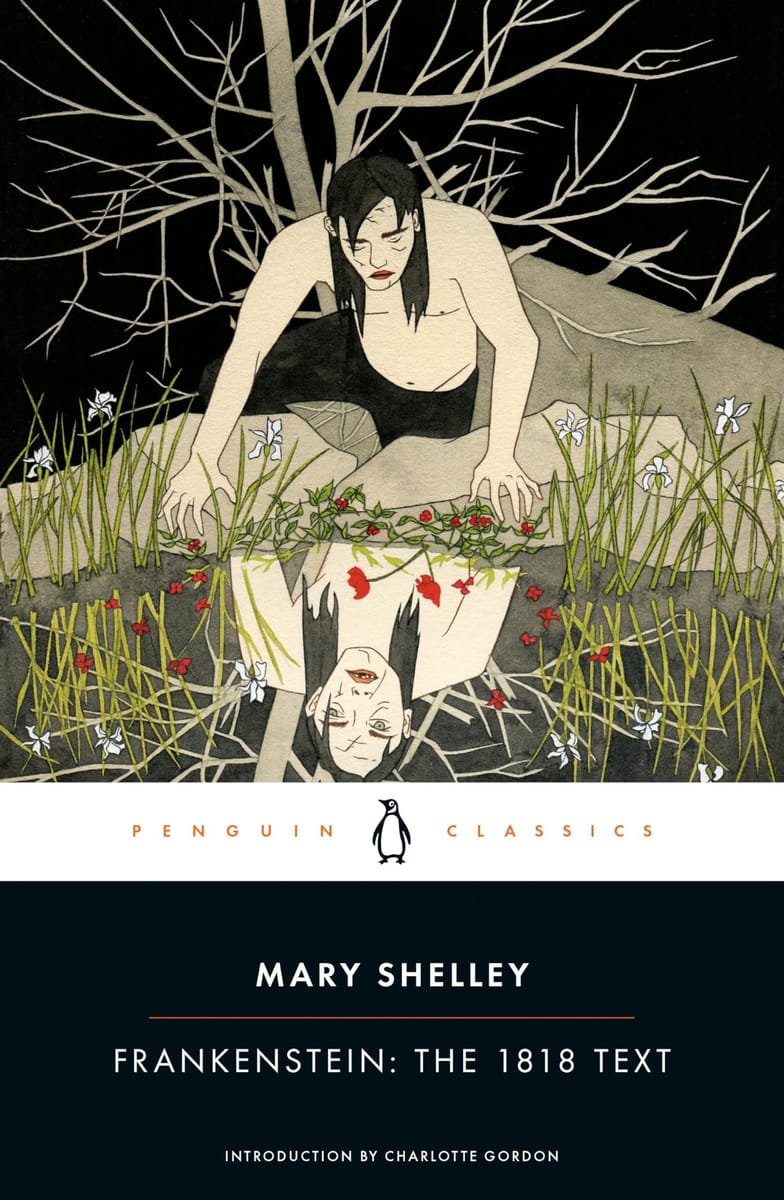
1. Frankenstein

Mary Shelley · 1818

Mary Shelley's 1818 novel follows Victor Frankenstein, a young scientist who assembles a living creature from dead matter and then abandons it in horror. Shelley began the story when she was eighteen, and the first edition appeared anonymously when she was twenty.

Read more

What makes it frightening is less the creature than the question underneath it: what does a maker owe the thing it makes, and what happens when that debt is refused? Readers who know only the films are often surprised by how much the book listens to the creature's side.

For: Anyone who wants to see where science-based horror begins, and readers who like fear with a moral question attached.

While reading: Keep the creature's point of view in mind alongside Victor's; the novel asks you to weigh both.

Next: Move on to Dracula for the other great nineteenth-century monster, built from documents rather than a single voice.

Glenn Beck, Malala Yousafzai and 2 more
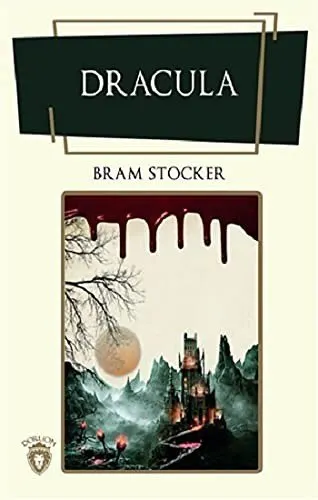
2. Dracula

Bram Stoker · 1897

Bram Stoker's 1897 novel is told entirely through letters, diary entries and newspaper articles, and it has no single hero. It opens with Jonathan Harker, an English solicitor, travelling to the castle of a Transylvanian nobleman on business.

Read more

Once the Count's true nature is clear, the story moves to England and the seaside town of Whitby, where a circle of friends, guided by Professor Van Helsing, has to work out what they are facing. The document form means you often know more than the characters do, which makes their slow realisations almost unbearable.

For: Readers who enjoy piecing a story together from fragments, and anyone curious about the vampire before cinema reshaped it.

While reading: Keep track of the dates on each letter and diary entry; the gaps between them are where much of the tension lives.

Next: Read Interview with the Vampire to see how the vampire changed once he was allowed to speak for himself.

Patrick Collison

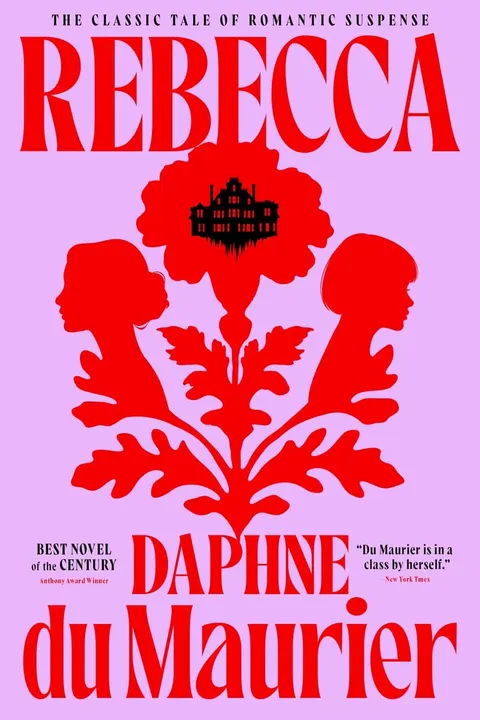
3. Rebecca

Daphne du Maurier

Daphne du Maurier's 1938 novel is narrated by an unnamed young woman who marries a wealthy widower in haste and arrives at his estate, Manderley, to find the household still ruled by the memory of his first wife. There is no ghost in the usual sense, yet few books feel more haunted.

Read more

The housekeeper Mrs Danvers is one of the most memorable figures in the genre, and the house itself has been described as much an atmosphere as a building. The novel has never been out of print, and Alfred Hitchcock's 1940 film of it won the Academy Award for Best Picture.

For: Readers who prefer creeping unease to violence, and anyone who likes a narrator whose insecurity becomes part of the suspense.

While reading: Notice how rarely the narrator is called by any name at all, and how that absence shapes the way others treat her.

Next: Turn to The Magus for another young outsider trapped inside a world someone else controls.

Taylor Swift, Emma Watson and 1 more

Group 2: Modern horror classics

Six books from the decades when horror became one of the biggest-selling genres in fiction. They are faster and more direct than the gothic novels, and they bring the threat into apartments, schools, family homes and suburban streets.

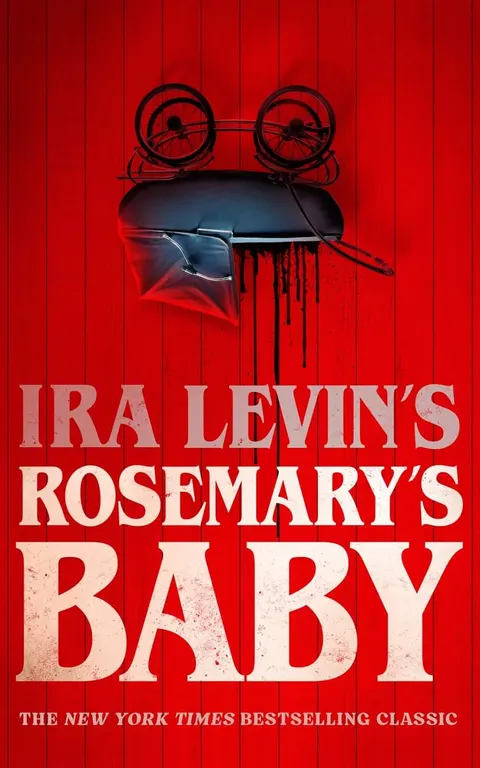
4. Rosemary's Baby

Ira Levin · 1967

Ira Levin's 1967 novel follows a young couple who move into a New York apartment building and befriend the older couple next door, who become more and more involved once Rosemary becomes pregnant. It was the best-selling horror novel of the 1960s, with more than four million copies sold, and its success helped set off a boom in horror publishing.

Read more

Roman Polanski filmed it in 1968. The book's power lies in how reasonable everything looks: each kindness can be explained, and Rosemary's suspicion can always be made to look like nerves.

For: Readers who like paranoia in a domestic setting and want a horror novel that can be finished in a few evenings.

While reading: Notice how each friendly gesture from the neighbours can be read two ways.

Next: Carrie makes a natural next step, with another young woman whose life is controlled by the people around her.

R. L. Stine, James Gunn

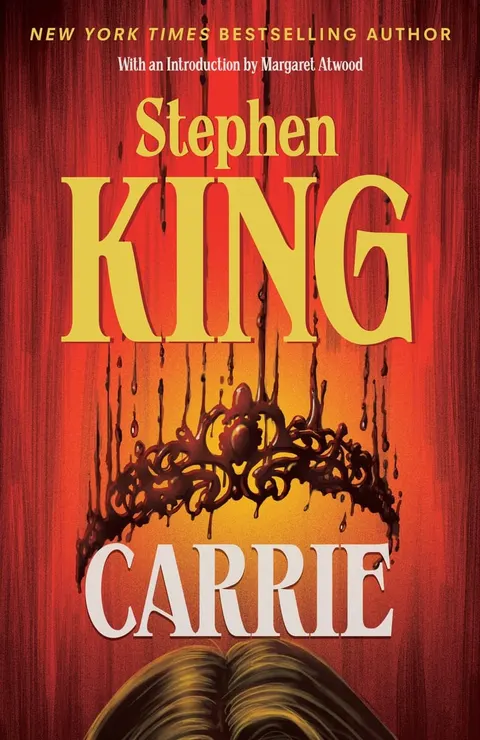
5. Carrie

Stephen King · 1974

Stephen King's first published novel, released in 1974, is set in the town of Chamberlain, Maine. Carrie White is a friendless high-school girl from an abusive religious household, and she has telekinetic powers she barely understands.

Read more

After a cruel prank by one of her bullies on prom night, those powers break loose. It is a short, angry book, and much of its horror comes from the cruelty of ordinary people long before anything supernatural happens. As a debut, it also shows King's habit of building a whole town around a single story.

For: Newcomers to Stephen King who want to start where he started, and readers interested in horror about bullying and isolation.

While reading: Pay attention to how the town treats Carrie long before prom night; the cruelty is the real subject.

Next: Continue with Pet Sematary for King at his darkest, writing about grief rather than revenge.

Darren Aronofsky, Finn Wolfhard

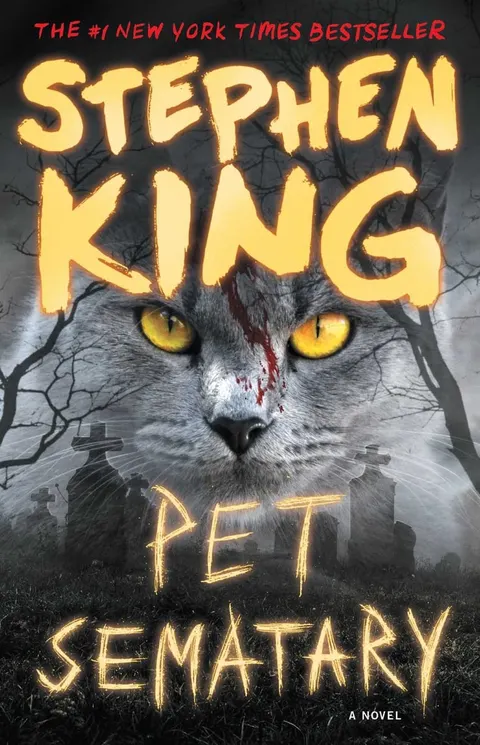
6. Pet Sematary

Stephen King · 1983

Stephen King's 1983 novel follows a family who move to Maine and settle near a pet cemetery in the woods, a place home to a force that brings death and sorrow. It was nominated for the World Fantasy Award for Best Novel and has been filmed twice, in 1989 and 2019.

Read more

The setting is ordinary on purpose: a family, a new house, a path into the woods. That ordinariness is what lets the sorrow at the heart of the book land so hard.

For: Readers ready for horror that is emotionally hard, and anyone who has found other horror too detached.

While reading: Do not rush the domestic scenes; they are what give the darker turns their weight.

Next: For a lighter King, try Christine; for more grief and dark intimacy, go to Interview with the Vampire.

R. L. Stine

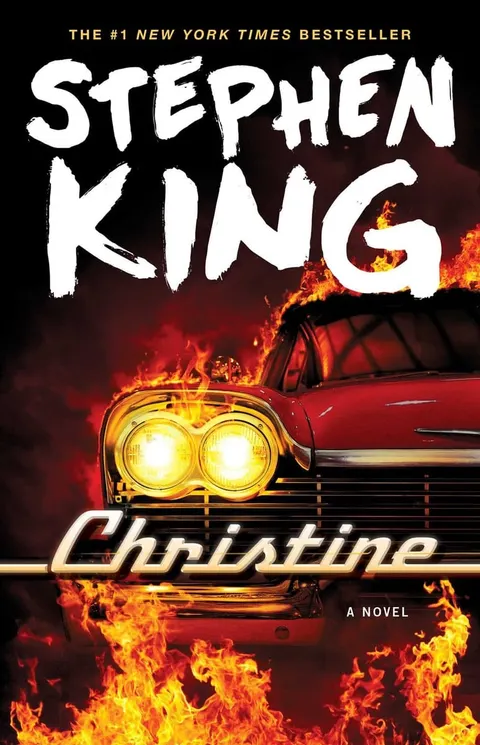
7. Christine

Stephen King · 1983

Also published in 1983, Christine is King's novel about a 1958 Plymouth Fury possessed by malevolent supernatural forces. The premise sounds almost playful, and that is exactly what makes it work.

Read more

A car is one of the most ordinary objects in American life, and King turns it into something menacing. Read alongside Carrie and Pet Sematary, it shows how often his horror starts from things everyone recognises: a school, a house, a driveway.

For: Readers who want a King novel with momentum and a strong sense of place, and fans of stories about friendships under strain.

While reading: Read it for momentum; it is a good choice between heavier books.

Next: Go back a generation with I Am Legend, which shows how much modern horror owes to a single short novel.

Matt Haig

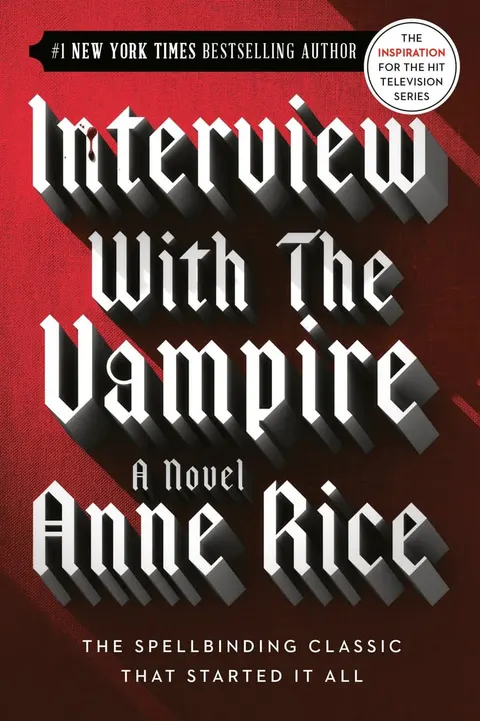
8. Interview with the Vampire

Anne Rice · 1976

Anne Rice's debut, published in 1976, is narrated by the vampire Louis de Pointe du Lac, who tells the story of his life to a reporter. Rice wrote the novel shortly after the death of her young daughter, who served as an inspiration for the child vampire Claudia, and that grief runs through the book.

Read more

Where Dracula keeps its monster at a distance, Rice puts the vampire at the centre and lets him describe his own guilt and hunger. The novel was followed by many sequels, known together as The Vampire Chronicles, and was adapted as a film in 1994 and a television series in 2022.

For: Readers who like lush, melancholy gothic writing and want horror that leans towards tragedy.

While reading: Remember that everything comes through Louis; ask yourself, as the reporter might, what he is choosing to leave out.

Next: Read I Am Legend for a completely different vampire, explained by science rather than romance.

Carly Rae Jepsen

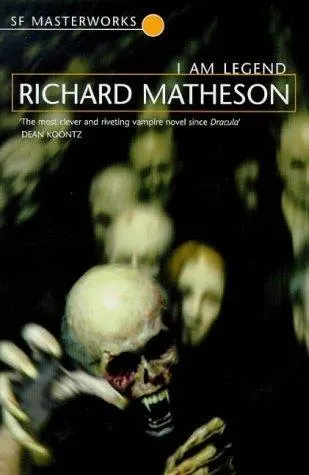
9. I Am Legend

Richard Matheson · 2007

Richard Matheson's 1954 novel imagines a world ended by disease, with one man holding out alone among the infected. Its influence is hard to overstate: it helped create modern zombie and vampire fiction, introduced the idea of a scientific explanation for vampires and popularised the worldwide plague as a setting.

Read more

George A. Romero's Night of the Living Dead drew on it, and it has been filmed three times. The novel itself is lean and lonely, and its interest in explaining the plague scientifically sets it apart from older vampire stories.

For: Readers who like post-apocalyptic stories and want to see where a whole strand of horror came from.

While reading: Think about how much later zombie and pandemic fiction you recognise in it; that is the measure of its influence.

Next: Leave the supernatural behind with The Magus, where the threat is entirely human.

PewDiePie

Group 3: Psychological dread

In these three books the monster is a person, or the gap between what people say and what they do. They are often shelved as literary fiction or thrillers, but they belong on a horror list because of the feeling they leave behind.

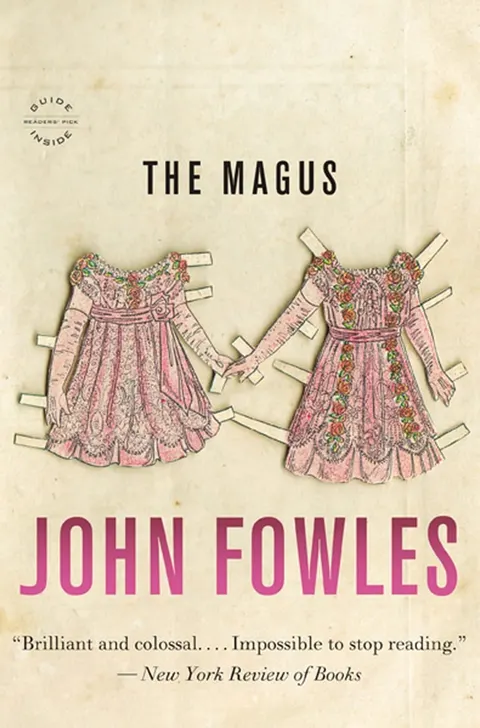
10. The Magus

John Fowles · 1965

John Fowles's 1965 novel follows Nicholas Urfe, a young British graduate teaching English on a small Greek island, who becomes caught up in the psychological illusions of a wealthy recluse. The games start as intriguing and become steadily darker and more serious.

Read more

It is an example of metafiction, a novel that plays with the act of storytelling itself, and Fowles revised it for a new edition in 1977. It was his first novel to be written, though his third to be published. Ambiguous and atmospheric, it unsettles by never letting you be sure what is real.

For: Patient readers who enjoy puzzles without neat answers and do not mind a long, immersive book.

While reading: Do not try to solve everything as you go; let yourself be as disoriented as the narrator.

Next: Gone Girl offers another story built on performance and deception, at a much faster pace.

Emma Watson, St. Vincent

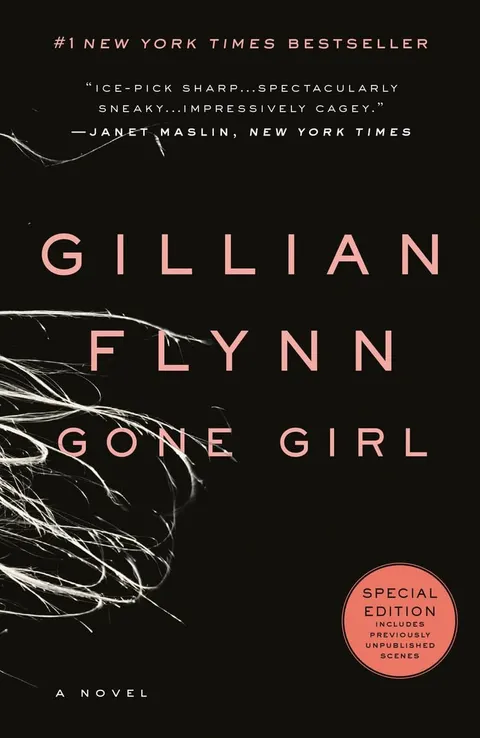
11. Gone Girl

Gillian Flynn · 2012

Gillian Flynn's 2012 thriller begins with the disappearance of Amy Dunne and the growing suspicion that her husband Nick is responsible. Critics praised its use of unreliable narration and its twists, and the structure is part of the pleasure: the way the story is told keeps changing what you think you know.

Read more

It is not supernatural, yet it belongs here because of how coldly it looks at marriage and the stories people construct about themselves. Flynn wrote the screenplay for David Fincher's 2014 film.

For: Readers who like dark, clever plotting and characters who are hard to like but impossible to stop reading about.

While reading: Avoid summaries and reviews until you have finished; the book depends on not knowing what comes next.

Next: If you want something heavier and more serious, finish the list with We Need to Talk About Kevin.

Anderson Cooper, B.J. Novak and 1 more

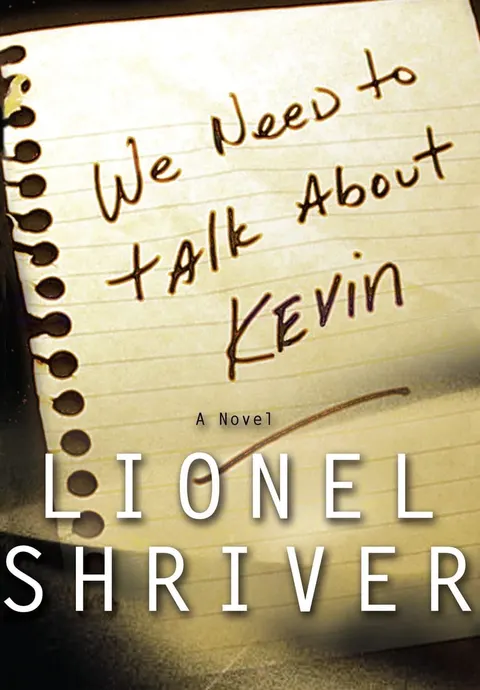
12. We Need to Talk About Kevin

Lionel Shriver · 2003

Lionel Shriver's 2003 novel is written as a series of letters from Eva Khatchadourian to her estranged husband, as she tries to come to terms with their emotionally detached son Kevin and the school massacre he committed. The horror is not in the event itself but in the mother's attempt to understand it, and in her honesty about her own feelings towards her child.

Read more

It won the 2005 Orange Prize, now the Women's Prize for Fiction, and was adapted as a film in 2011. It is the most disturbing book on this list precisely because nothing in it is impossible.

For: Readers prepared for a serious, uncomfortable novel about parenthood, blame and violence.

While reading: Read it in longer sittings rather than short bursts; the letters build an argument that is easier to follow without interruption.

Next: After this, a return to Frankenstein can feel newly relevant: it is also a story about a parent and a creation.

Jennifer Lawrence

Reading path

If you are new to horror, begin with Rosemary's Baby. It is quick, modern in feel and shows how suspense can be built out of ordinary politeness. Follow it with Carrie, which is equally short and introduces Stephen King at the start of his career. Together they give you a sense of whether you prefer quiet dread or open violence.

If you want the foundations first, read Frankenstein and Dracula back to back. They are slower, but they explain much of what came after, and they make a good pair because they handle the monster so differently: one gives it a voice, the other keeps it almost silent. Add Rebecca when you want a gothic novel that feels closer to the present.

Read more

Space the heavier books apart. Pet Sematary and We Need to Talk About Kevin are both about loss and responsibility, and reading them in the same month can be draining. Put something lighter between them, such as Christine or I Am Legend. Save The Magus for a time when you can give it long evenings, and read Gone Girl whenever you want a book you will finish in a weekend.

17 November 2026

Keep reading

All