Skip to content

Menu

My shelf

okai

Log a book

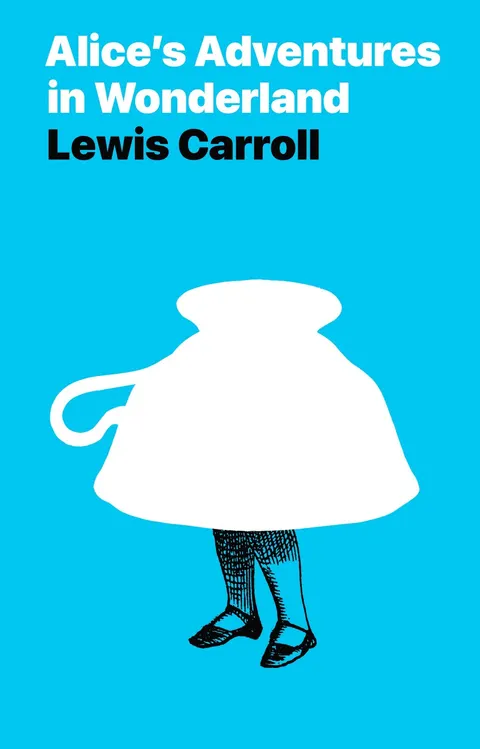
Alice's Adventures in Wonderland

Fantasy · 11 min · 12 books

Fantasy books to start with: 13 doors into other worlds

Where to begin with fantasy: classic gateways like The Hobbit and Narnia, epic series from Tolkien to Sanderson, and modern books like Circe and Babel.

0/12 books read0%

Fantasy has a reputation for being intimidating. The shelves are full of thick books with maps at the front, series that run to many volumes and invented words in every chapter. It is easy to assume you need some kind of preparation before you can enjoy it. You do not. Most of the books that define the genre were written to be read for pleasure, several of them first for children, and the best way in is simply to pick one that suits your mood.

Read more

This list is arranged as a path rather than a ranking. The first group gathers the classics that open the door: a girl who falls down a rabbit hole, a hobbit who is talked into an adventure, children who step into a land of talking animals, and an orphan who learns on his eleventh birthday that he is a wizard. They can be read at any age, and adults who return to them often notice things they missed the first time.

The second group is where fantasy becomes epic. These books build whole worlds with their own histories, politics and systems of magic, and most of them begin longer series. Tolkien's Middle-earth is the obvious starting point, and the others show how writers since have taken his scale in new directions: royal houses competing for power, a legendary figure telling his own life, a band of thieves plotting against an immortal ruler, a royal bastard trained as an assassin.

The third group pushes at the edges of the genre. Here fantasy meets Greek myth, science fiction and history, and the questions become sharper: who holds power, who gets to tell the story, and what magic costs. Thirteen books are enough to show the range of the genre without becoming a catalogue. The reading order at the end suggests a route depending on whether you want something light, something long or something that will make you think. None of these books needs to be read in a hurry. Fantasy rewards readers who slow down and let a world become familiar.

Who it is for: Readers who are new to fantasy, or who loved one fantasy book years ago and want to know where to go next.

Short answer

Group 1: The classic doorways

Four books that many readers meet first, often as children. They are short or at least welcoming, they introduce the basic pleasures of the genre, and they hold up when read again as an adult.

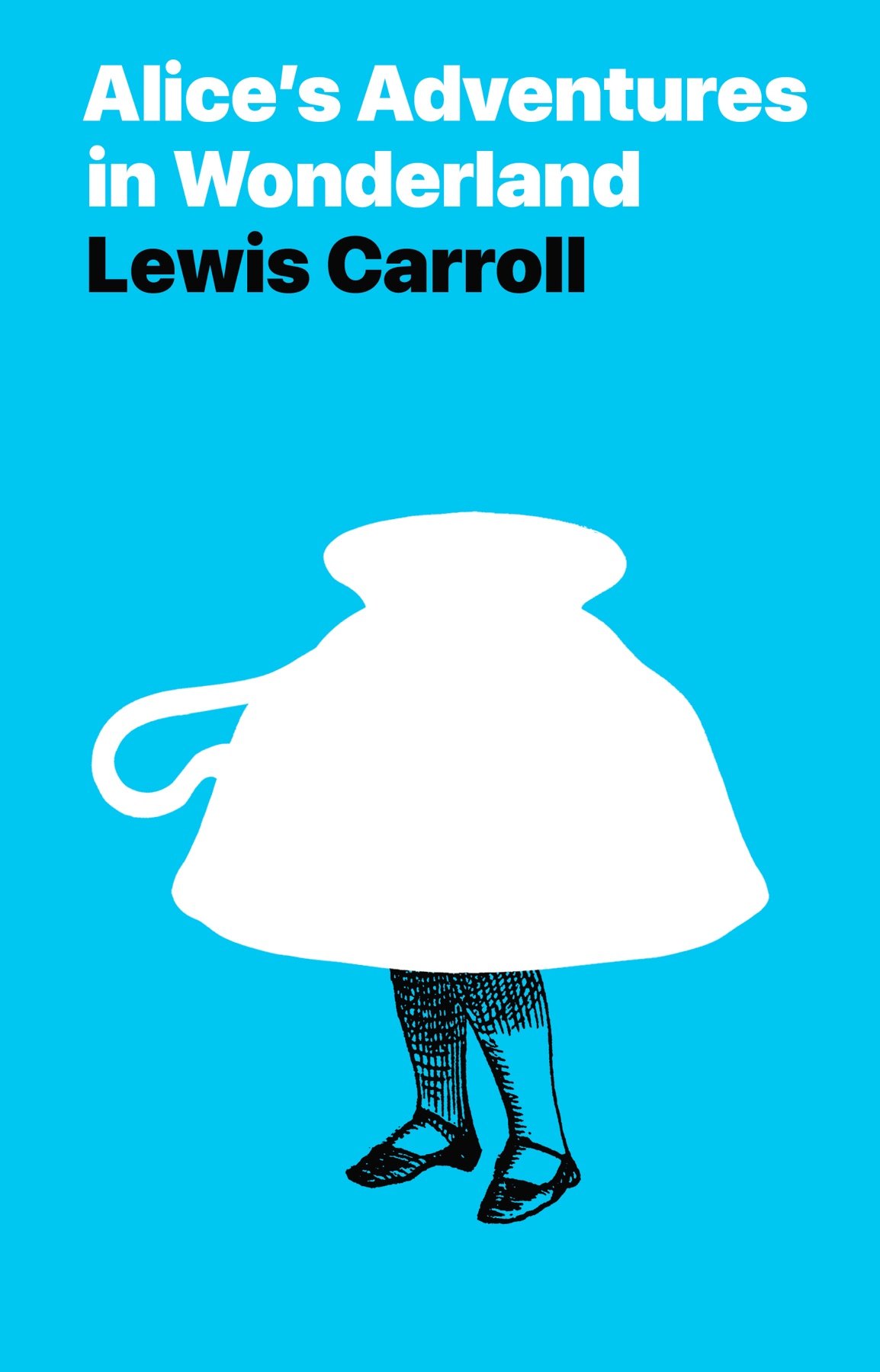
1. Alice's Adventures in Wonderland

Lewis Carroll · 1865

Lewis Carroll's 1865 novel tells the story of a girl named Alice who falls through a rabbit hole into a world of strange, talking creatures. It is usually seen as a classic of literary nonsense, and it plays with logic in a way that has kept it popular with adults as well as children.

Read more

It is credited with helping to end an era of moralising children's books, opening the way for stories that aimed to delight rather than instruct. It has never been out of print and has been translated into well over a hundred languages.

For: Anyone who wants to see where modern fantasy's sense of play begins, and readers who enjoy wordplay and riddles.

While reading: Read some of it aloud; the jokes and verses are built for the ear as much as the eye.

Next: Move to The Hobbit for a story with a more solid world and a real journey.

Salman Rushdie, Madison Beer

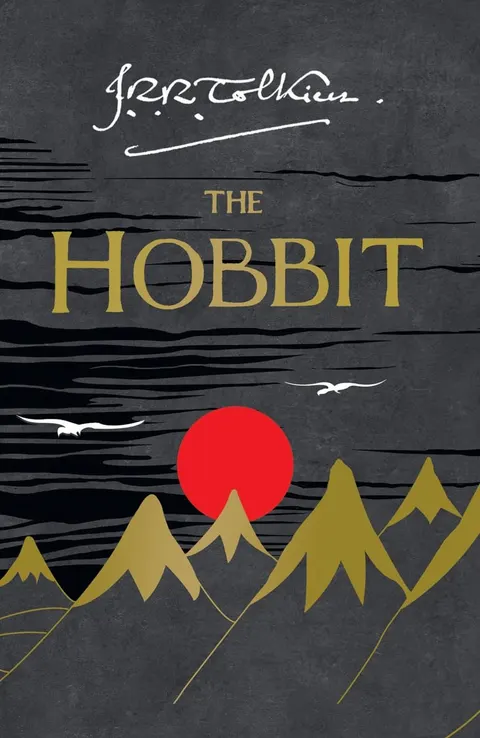
2. The Hobbit

J. R. R. Tolkien · 1937

J. R. R. Tolkien's children's novel, published in 1937, follows the reluctant hobbit Bilbo Baggins on a quest with thirteen dwarves. It was nominated for the Carnegie Medal and won a prize from the New York Herald Tribune for best juvenile fiction, and it has become one of the best-selling books of all time.

Read more

It works as both a complete adventure and a prelude to The Lord of the Rings. The tone is warmer and more playful than the later books, which makes it the gentlest way into Middle-earth.

For: First-time fantasy readers of any age, and anyone planning to read The Lord of the Rings.

While reading: Read it as a complete story first; you do not need to think about The Lord of the Rings to enjoy it.

Next: Continue with The Fellowship of the Ring when you are ready for the larger, darker story.

Richard Branson, Benedict Cumberbatch and 2 more

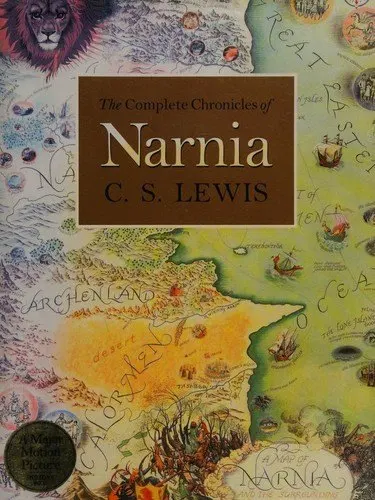
3. The Chronicles of Narnia

C. S. Lewis · 1950

C. S. Lewis's seven portal fantasy novels, illustrated by Pauline Baynes and first published between 1950 and 1956, are set in Narnia, a land of magic, mythical beasts and talking animals. In most of the books, children from the real world are magically transported there, where the lion Aslan sometimes calls on them to protect it from evil.

Read more

Together the books cover the whole history of Narnia, from its creation in The Magician's Nephew to its end in The Last Battle. Each volume is short enough for a few evenings.

For: Readers who want a complete series that does not demand a huge commitment, and families reading together.

While reading: Each book stands on its own, so there is no harm in stopping after one and coming back later.

Next: Harry Potter makes a natural companion, another story of children stepping out of ordinary life into a magical one.

Nick Offerman

4. Harry Potter and the Philosopher's Stone

J. K. Rowling · 1997

J. K. Rowling's debut, the first Harry Potter novel, follows a young wizard who discovers his magical heritage on his eleventh birthday when he receives a letter from Hogwarts School of Witchcraft and Wizardry. With his friends Ron Weasley and Hermione Granger, he works through a mystery connected to the dark wizard Lord Voldemort.

Read more

It is warm and inventive, and much of its appeal lies in the school itself, with its rules, lessons and rivalries. For many readers of a certain generation, this was the first fantasy book of all.

For: Readers who want fantasy with humour and friendship at its centre, and anyone who missed the series the first time round.

While reading: Notice how much of the book is a school story; the magic sits on top of a very familiar structure.

Next: If you finish it wanting a bigger, more adult world, go straight to the second group.

Taylor Swift, Saraya and 2 more

Group 2: Big worlds

Five openings to long series. Each builds a world with its own history and rules, and each rewards patience. You do not need to commit to a whole series before starting; the first books all work as stories in their own right.

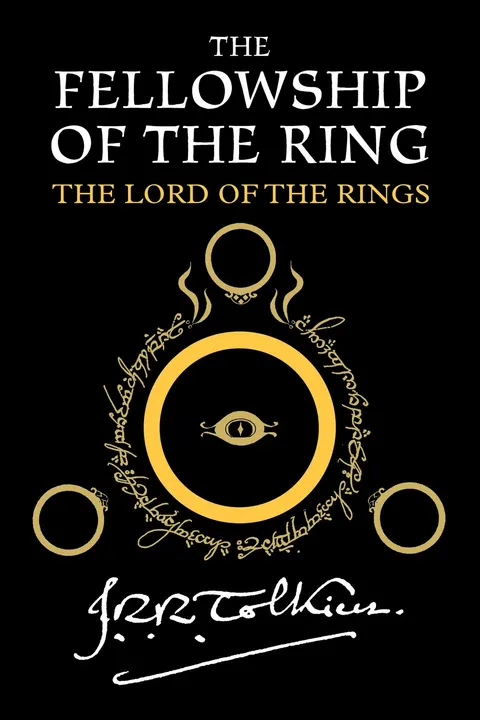
5. The Fellowship of the Ring

J.R.R. Tolkien · 1954

The first of the three volumes of The Lord of the Rings, followed by The Two Towers and The Return of the King, The Fellowship of the Ring was first published in the United Kingdom in July 1954. It opens with a prologue about hobbits and then begins the main story in Middle-earth.

Read more

Much of the epic fantasy written since has been measured against this book, and its influence is visible throughout this list. It is longer and more serious than The Hobbit, and it asks for more patience in return for a far larger world.

For: Readers who enjoyed The Hobbit and want the full scale of Middle-earth.

While reading: Give it time; the world is built carefully, and the patience pays off.

Next: Read A Game of Thrones next to see how a later writer answered Tolkien with politics and moral grey areas.

Elon Musk

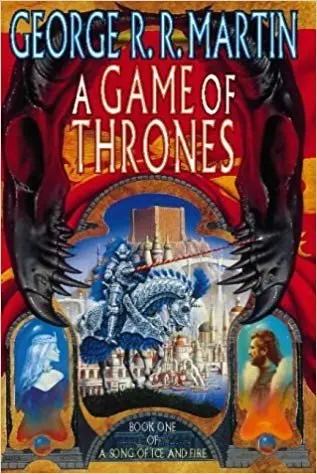
6. A Game of Thrones

George R. R. Martin

George R. R. Martin's novel, published in August 1996, is the first book of A Song of Ice and Fire. Each chapter is narrated through one of eight characters, some of whom give unreliable accounts.

Read more

In the Seven Kingdoms of Westeros, House Stark and House Lannister shape the fate of the continent; in the far north, a young man joins those guarding a giant wall of ice; across the sea, the last members of a deposed royal house live in exile. Reviewers praised its focus on political intrigue, and it won the 1997 Locus Award for Best Fantasy Novel.

For: Readers who like large casts, political scheming and stories where no one is safe.

While reading: Keep a note of the main houses and characters at first; the large cast becomes familiar quickly.

Next: For a single central voice after so many, try The Name of the Wind.

Simone Giertz

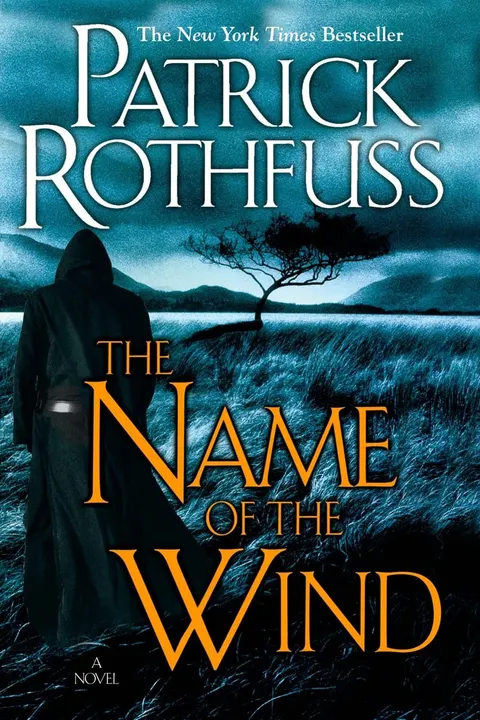
7. The Name of the Wind

Patrick Rothfuss · 2010

Patrick Rothfuss's novel, published in 2007, is the first book of The Kingkiller Chronicle and is followed by The Wise Man's Fear. It tells the story of Kvothe, a legendary figure recounting his own life, and it is a richly told tale of music, magic and loss.

Read more

The pleasure lies in the voice and the detail of a life told by the person who lived it. Readers should know that the series is still unfinished, which some take into account before starting.

For: Readers who love beautiful prose and a story told by its own hero.

While reading: Pay attention to the frame around the main story; the older Kvothe telling it is part of the mystery.

Next: Mistborn offers a complete trilogy, which is a relief if the open ending of Rothfuss's series troubles you.

Brandon Sanderson, Taylor Russell and 2 more

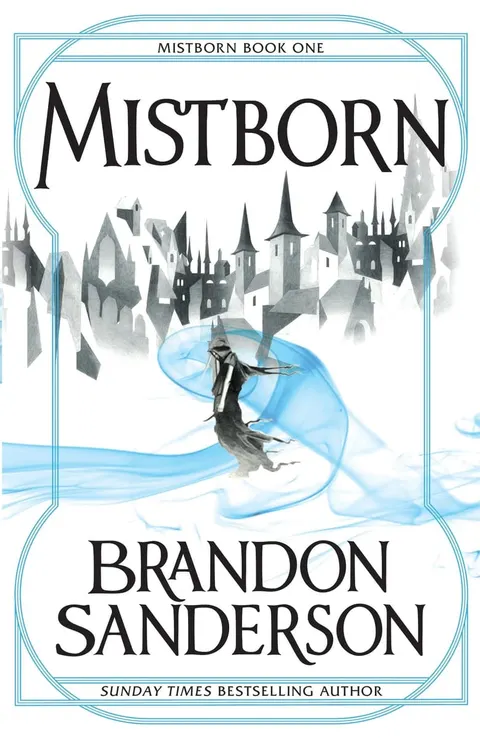
8. The Final Empire

Brandon Sanderson · 2006

Brandon Sanderson's 2006 novel, the first in the Mistborn trilogy, is set in the Final Empire, ruled by the seemingly immortal Lord Ruler. Society is split between the nobility and the oppressed skaa, and a form of magic called Allomancy lets certain people draw powers from metals they swallow.

Read more

A Mistborn named Kelsier and his crew recruit a street urchin, Vin, into their plot to overthrow the emperor. It reads like a heist story set in a fantasy world, and its clearly defined magic is part of the fun.

For: Readers who like action, clear rules and a plot that moves, and anyone who wants a finished series.

While reading: Keep track of what each metal does; the magic system matters to how the plot plays out.

Next: Turn to Assassin's Apprentice for something slower, more personal and more melancholy.

Haley Lu Richardson, Simone Giertz

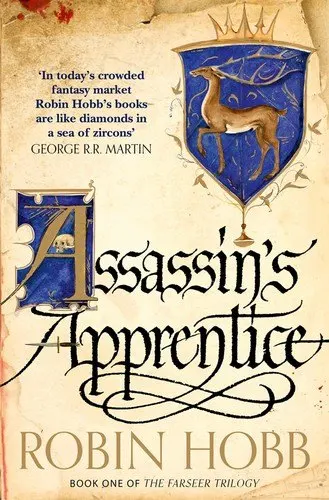
9. Assassin's Apprentice

Robin Hobb · 1995

Robin Hobb's 1995 novel opens The Farseer Trilogy. It was the first book its author wrote under the Hobb pseudonym, and its working title was Chivalry's Bastard.

Read more

It covers the early life of FitzChivalry, a royal bastard living in Buckkeep Castle who begins training as an assassin. Its strength is emotional rather than spectacular: a boy on the edges of a royal family, learning a secret trade. The same world continues across several later series.

For: Readers who care most about character and want a fantasy that feels intimate rather than grand.

While reading: Read slowly; the book cares about character more than action, and that care builds over time.

Next: Step outside the epic tradition with Northern Lights, which opens the third group.

Simone Giertz

Group 3: Pushing the boundaries

Four books that use fantasy to ask questions about religion, myth, power and empire. They are often recommended to readers who think fantasy is not for them.

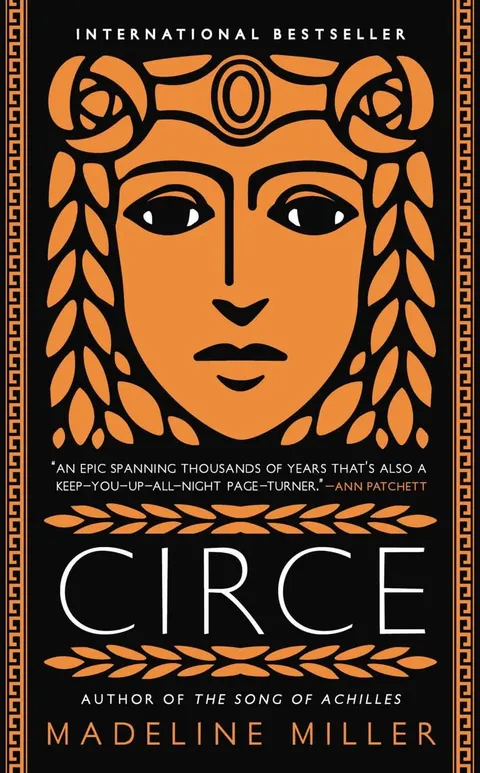
10. Circe

Madeline Miller · 2022

Madeline Miller's 2018 novel is set in the Greek Heroic Age and retells various myths, above all the Odyssey, from the point of view of the witch Circe. Miller draws on characters and episodes from ancient stories while inventing or reinterpreting much of Circe's life, including her encounters with figures such as Hermes, the Minotaur, Jason and Medea.

Read more

A minor figure in Homer becomes the centre of her own story, and the result reads less like epic and more like the long, patient life of someone shaping her own power.

For: Readers who enjoy mythology, and those who prefer a single strong voice to a large cast.

While reading: You do not need to know the Odyssey; the novel gives you everything you need, and familiarity only adds a layer.

Next: For a world entirely invented rather than borrowed from myth, go to The Fifth Season.

Elizabeth Olsen

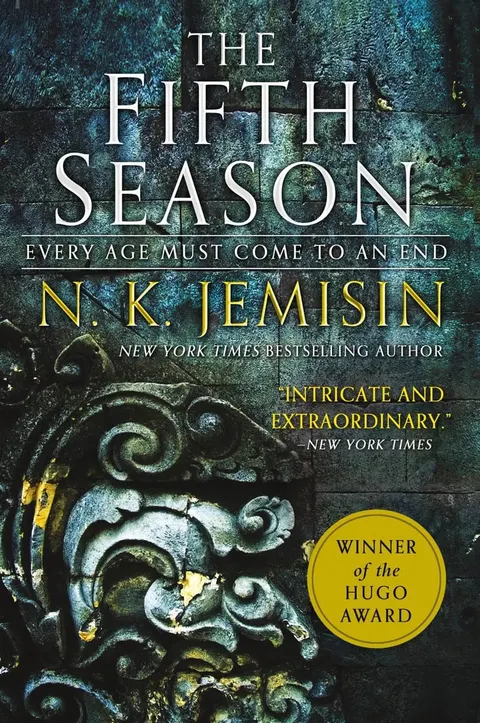
11. The Fifth Season

N. K. Jemisin · 2015

N. K. Jemisin's 2015 novel is the first volume of the Broken Earth trilogy, followed by The Obelisk Gate and The Stone Sky. It is set on a planet with a single supercontinent, the Stillness, where every few centuries the inhabitants endure a Fifth Season of catastrophic climate change.

Read more

It won the Hugo Award for Best Novel in 2016. Described as science fantasy, it blends the two genres and builds a world unlike anything in the epic tradition.

For: Experienced readers looking for something new, and anyone interested in fantasy about survival and oppression.

While reading: Be patient with the invented vocabulary of the Stillness; it becomes clear as you go.

Next: Finish with Babel, another novel that turns its magic into a question about power.

Syd

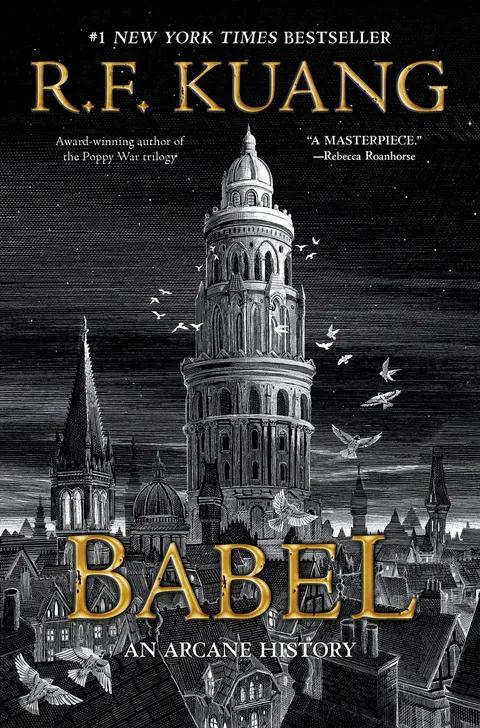
12. Babel

R. F. Kuang · 2022

R. F. Kuang's 2022 novel is set in a fantastical version of Oxford in the 1830s, in an alternative history where Britain's economic and colonial dominance is fuelled by magical silver bars. Their power comes from what is lost in translation between words in different languages, and the university's Royal Institute of Translation, nicknamed Babel, exists to harness it.

Read more

The story follows four new students who slowly realise that their scholarship sustains the empire. It debuted at the top of The New York Times Best Seller list, and it is as much an argument as an adventure.

For: Readers who like dark academia, language and history, and fantasy with a clear political edge.

While reading: Pay attention to the word pairs at the heart of the magic; they carry part of the argument.

Next: If the university setting appealed, return to The Name of the Wind for a very different school of magic.

Iga Świątek, Alexis Anunson

Reading path

If you have read very little fantasy, start with The Hobbit. It is short, complete and gentle, and it tells you quickly whether you enjoy the feeling of travelling through an invented world. If it works for you, go straight on to The Fellowship of the Ring. If you would prefer something with more humour and a modern feel, begin with Harry Potter and the Philosopher's Stone instead.

If you already know the classics and want something long, choose by temperament. Mistborn suits readers who want plot and a completed trilogy. A Game of Thrones suits readers who enjoy politics and many viewpoints. Assassin's Apprentice suits readers who care most about one character's inner life. The Name of the Wind is the choice for readers who read for the sentences.

Read more

Save the third group for when you want to be challenged. Circe is the easiest of the four to begin with, then Northern Lights, then Babel. The Fifth Season gives the most to readers who have already read several fantasy novels.

17 November 2026

Keep reading

All