Best mystery novels: 15 books from Christie to Liz Moore
Fifteen mystery novels in four groups: Christie and the classic puzzle, noir and the criminal mind, modern investigations, and today's twisty page-turners.
0/14 books read0%
A good mystery makes a promise on its first page: something has gone wrong, and by the end you will understand how. Few genres are so clear about what they offer, and few have changed so much while keeping that promise. The puzzle can be a body in a locked train compartment, a disappearance decades old, a crime told from the inside by the person who committed it, or a family secret that surfaces at a wedding. What stays constant is the pleasure of trying to see the truth before the book shows it to you.
Read more
This list moves through the genre in four stages. The first is the classic puzzle, the tradition in which a detective gathers clues and suspects and everything is resolved in a final explanation. Agatha Christie is the obvious centre of it, and two of her best-known novels are here, alongside an early mystery from a writer better known for spies.
The second group turns the genre around. Instead of asking who did it, these books ask why, and often show you the crime from the inside. Here are the drifter and the married woman who plot a murder, the young man who slips into a wealthy acquaintance's life, a non-fiction account of a real killing in rural Kansas, and a group of students whose secret is revealed in the opening pages. Knowing the outcome does not reduce the suspense; it changes its shape.
The third and fourth groups bring the story up to the present. There are long, layered investigations set in Sweden, on a seventeenth-century ship, in an English town and at a summer camp in the Adirondacks, and then a run of recent thrillers built for speed. Fifteen books are enough to cover the range of the genre without becoming a reference list. The reading order at the end suggests how to combine them, and none of the descriptions below gives away an ending.
Who it is for: Readers who want a route through crime fiction, from the classic locked-room puzzle to the psychological thrillers that fill bestseller lists today.
Three novels in which the mystery is a game played fairly with the reader. The clues are on the page, the suspects are limited, and the solution is meant to surprise you while making perfect sense.
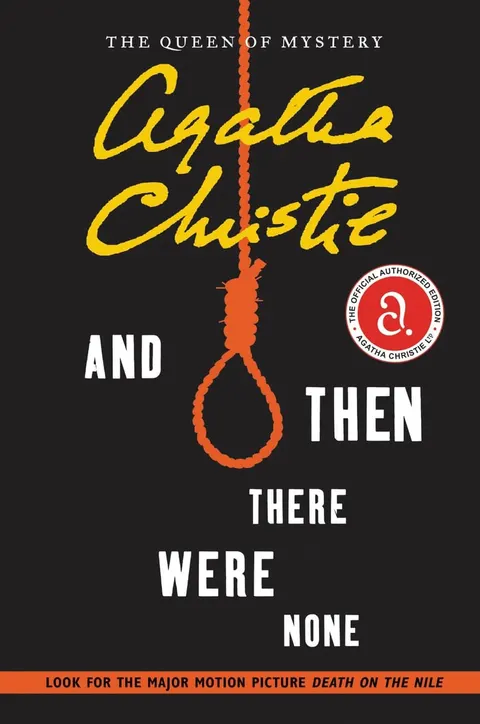
Agatha Christie's 1939 novel brings ten strangers to an island, where they begin to die one by one according to a nursery rhyme. It is the world's best-selling mystery novel and one of the best-selling books of all time, with more than a hundred million copies sold, and it has been adapted more often than any of her other works.
Read more
In 2015 it was voted the world's favourite Christie in a global poll. The setup is as simple as a mystery can be, and that simplicity is what makes the tension so sharp: on a small island, everyone is a suspect and a possible victim at once.
For: Anyone new to mysteries, and readers who want suspense more than a detective's reasoning.
While reading: Keep the nursery rhyme close at hand; it is the structure of the whole book.
Next: Read Murder on the Orient Express next to see Christie with her most famous detective.
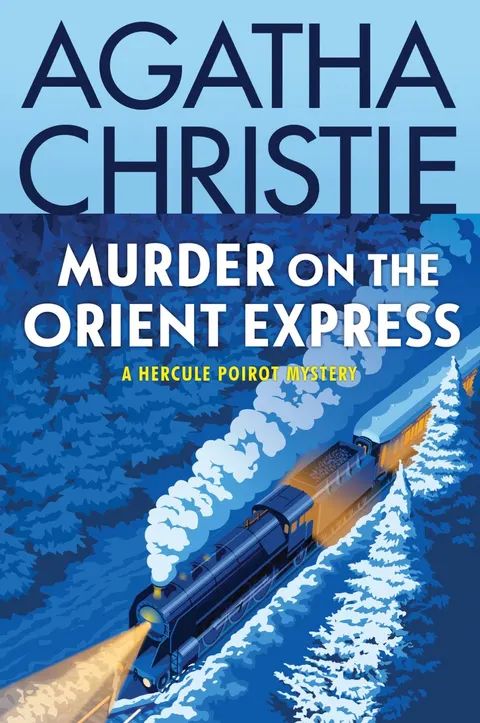
Christie's 1934 novel features the Belgian detective Hercule Poirot and a closed circle of suspects. The Orient Express is stopped by heavy snow in the middle of a winter night, and a wealthy American is found stabbed in a compartment locked from the inside.
Read more
Poirot's journey home from the Middle East is interrupted, and the stranded train becomes his investigation room. The opening chapters take place largely in Istanbul. In the United States it was first published under the title Murder in the Calais Coach.
For: Readers who enjoy a detective at work, interviewing suspects and testing their stories.
While reading: Take notes on each passenger's account; the book rewards readers who try to solve it themselves.
Next: For a short classic puzzle from an unexpected author, try A Murder of Quality.
Orhan Pamuk
Group 2: Inside the criminal mind
Four books that are less interested in who did it than in why and how. Some are told by the guilty, one is a record of a real crime, and all of them leave you closer to violence than the classic puzzle ever does.
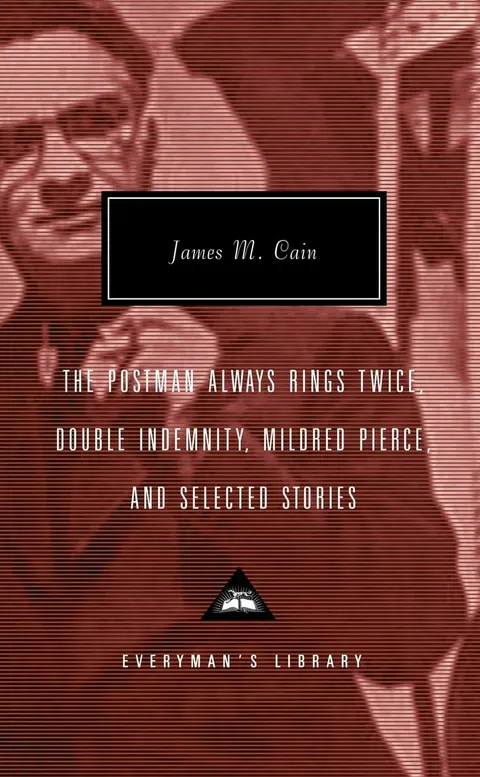
James M. Cain's 1934 crime novel follows a drifter and a married woman who plot to kill her husband. Its mix of frank sexuality and violence was startling at the time and led to it being banned in Boston, and it is now regarded as one of the outstanding crime novels of the twentieth century.
Read more
It appears on the Modern Library's list of the hundred best novels and has been filmed seven times; the 1946 American version is considered an important film noir. The novel owes a clear debt to Zola's Thérèse Raquin.
For: Readers who want to see where noir begins, and anyone who likes short, hard-edged fiction.
While reading: Read it in one or two sittings; its speed is part of its effect.
Next: The Talented Mr. Ripley takes the same closeness to a criminal and stretches it into a whole life.
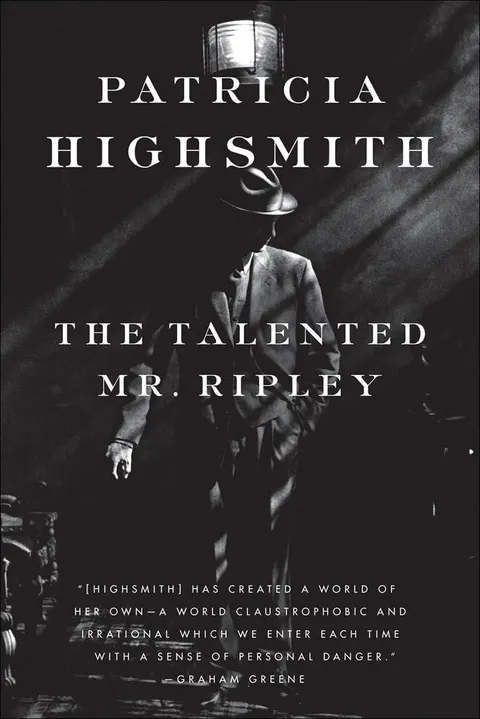
Patricia Highsmith's 1955 psychological thriller introduced the con man Tom Ripley, a young man who slips into the life of a wealthy acquaintance in Italy. Highsmith returned to him in four later books, known together as The Ripliad.
Read more
The novel has been adapted many times, including Purple Noon in 1960, the 1999 film with Matt Damon and the 2024 series Ripley with Andrew Scott. Its strange achievement is to make you follow Ripley's thinking so closely that you find yourself hoping he gets away with things you would never excuse.
For: Readers who like unsettling narrators and suspense built from character rather than clues.
While reading: Watch your own reactions as much as Ripley's actions; the book is designed to implicate the reader.
Next: Turn to In Cold Blood for a real crime examined with the same closeness.
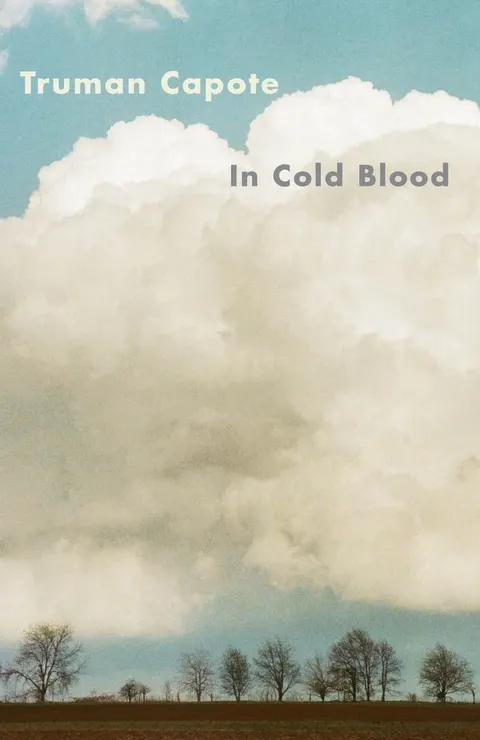
Truman Capote's non-fiction novel, first published in 1966, recounts the 1959 murders of the Clutter family in the small farming community of Holcomb, Kansas, killed by intruders during a failed robbery. It uses the techniques of fiction to tell a true story: scenes, dialogue, shifting points of view.
Read more
It belongs on a mystery list because it asks the questions the genre asks, about motive, chance and what drives ordinary people to violence, while refusing the comfort of invention.
For: Readers interested in true crime who want a literary account rather than a sensational one.
While reading: Remember that the people in it were real; the book's power lies in that knowledge.
Next: Return to fiction with The Secret History, which also starts from a death and works backwards to its causes.
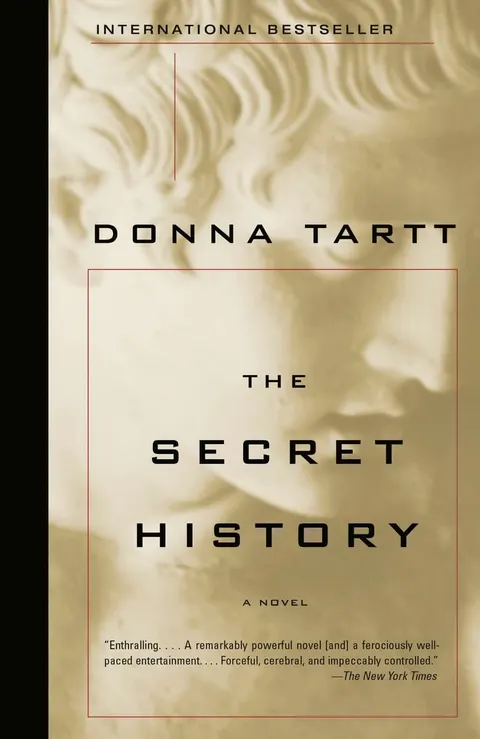
Donna Tartt's first novel, published in 1992, follows a closely knit group of six Classics students at Hampden College, a small, elite college in Vermont. It is an inverted detective story: the narrator, Richard Papen, looks back years later on the events that led to a friend's murder, and the book reveals what happened in sequence rather than hiding it.
Read more
It has been credited with originating the dark academia genre. The suspense comes from watching a group of clever young people talk themselves into something terrible.
For: Readers who like long, atmospheric novels and stories about friendship, class and intellectual pride.
While reading: Do not wait for a twist about who did it; the question the book keeps open is why, and what happens afterwards.
Next: Begin the third group with The Girl with the Dragon Tattoo for a modern investigation on a large scale.
Nicola Sturgeon, Jacob Elordi and 2 more
Group 3: Modern investigations
Four novels from the last two decades that take the classic investigation in new directions: into family history, into the past, into a mind that sees the world differently, and into a disappearance that echoes another.
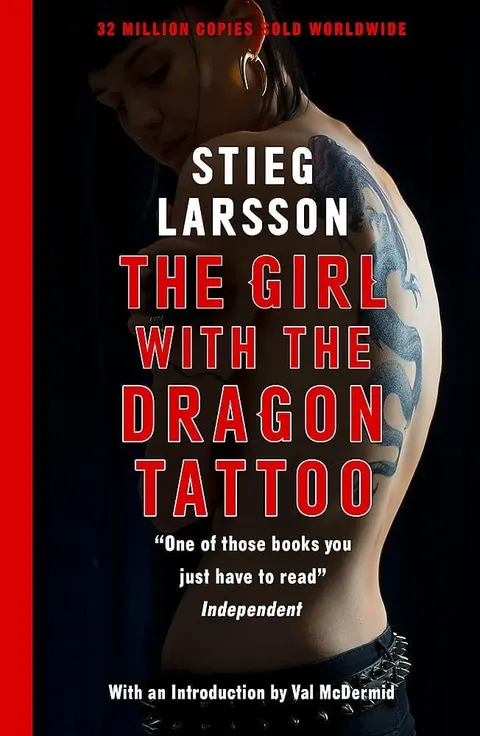
Stieg Larsson's psychological thriller was published after his death in 2005 and translated into English in 2008, when it became an international bestseller. A journalist and a hacker investigate a disappearance that happened decades earlier.
Read more
The partnership between two very different investigators is at the heart of its appeal, and the cold case gives the book the slow, layered structure of a long investigation.
For: Readers who enjoy long investigations and Scandinavian crime, and who can handle dark material.
While reading: Give the opening chapters time; a cold case takes a while to come into focus.
Next: For an investigation in a far stranger setting, try The Devil and the Dark Water.
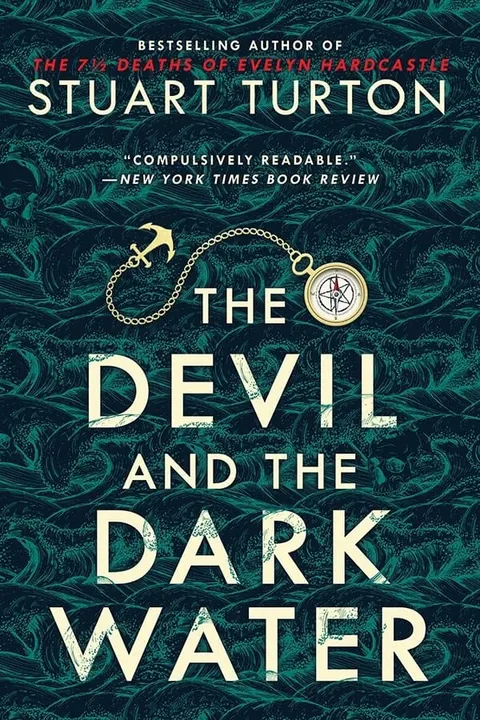
Stuart Turton's 2020 novel combines historical fiction, murder mystery and horror. Set in 1634 aboard an East Indiaman bound for Amsterdam, it follows a detective trying to explain a series of inexplicable crimes while rumours of a demon spread among the passengers.
Read more
The ship is a closed world, as confined as Christie's train, and the question of whether the threat is human or supernatural keeps the tension high.
For: Readers who like historical settings, locked-room puzzles and a hint of the uncanny.
While reading: Treat the ship as a closed circle of suspects, as you would in a classic mystery.
Next: The Curious Incident of the Dog in the Night-Time offers a much smaller mystery with a completely different voice.
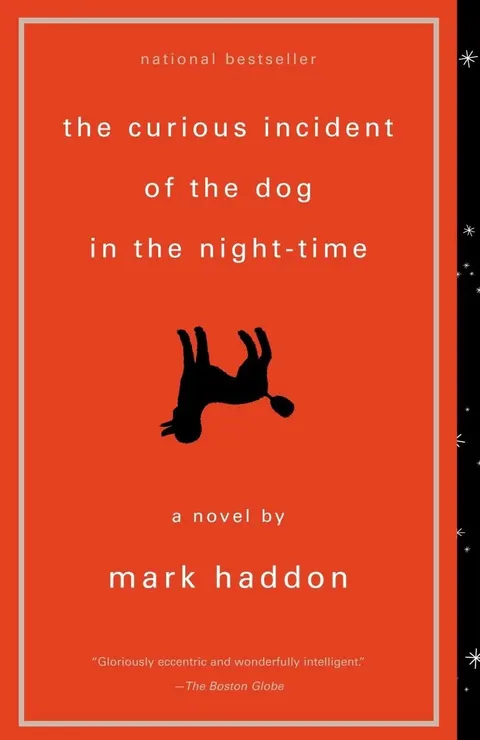
Mark Haddon's 2003 novel is narrated by a teenage boy with an unusual mind who sets out to solve the mystery of a neighbour's murdered dog. The crime is small, but the way he sees the world makes the investigation unlike any other.
Read more
It won the Whitbread Award for Best Novel and Book of the Year, the Commonwealth Writers' Prize for Best First Book and the Guardian Children's Fiction Prize. Funny, touching and strikingly original, it shows how much a mystery novel can do with a modest crime.
For: Readers who want a mystery that is also a moving family story, and anyone who prefers voice to violence.
While reading: Pay attention to what the narrator notices and what he misses; the gap is where the story lives.
Next: The God of the Woods returns to a larger canvas, with a disappearance at its centre.
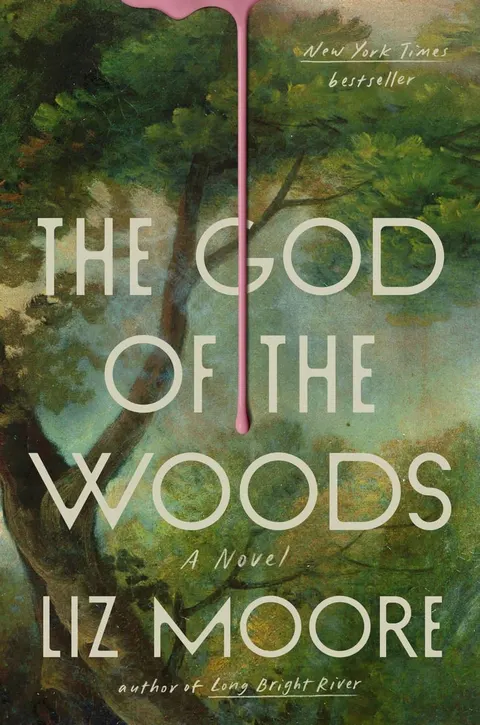
Liz Moore's 2024 novel is set at a summer camp in the Adirondacks owned by the wealthy Van Laar family. Fourteen years after their son vanished in the woods, their thirteen-year-old daughter Barbara goes missing too.
Read more
The structure lets the two disappearances speak to each other, and the book is as interested in money, class and family silence as in the search itself. It is a good example of how the literary novel and the mystery have moved closer together.
For: Readers who like character-driven mysteries with a strong sense of place.
While reading: Keep track of the different timelines; the connections between them are part of the investigation.
Next: If you want something faster after this, go on to the fourth group.
Barack Obama
Group 4: Today's page-turners
Four recent thrillers built for speed. They are the books people read on holiday and recommend to each other, and they show how far the genre has moved towards domestic secrets and unreliable appearances.
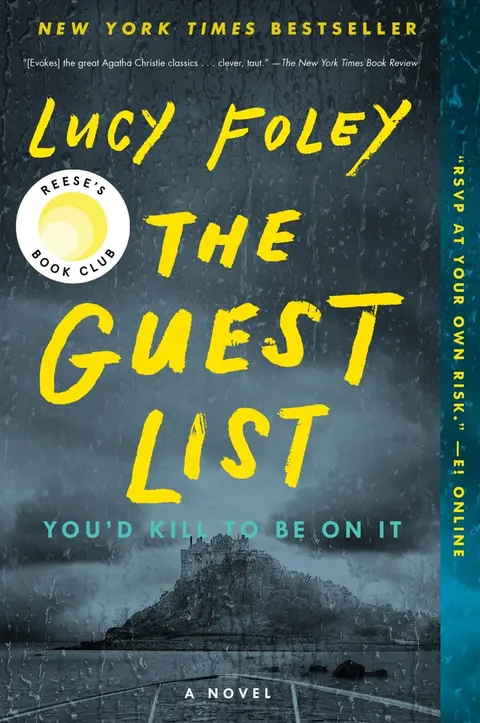
Lucy Foley's 2020 murder mystery is set at a lavish wedding on a remote island off the Irish coast. A storm cuts the guests off from the mainland, and by the end of the night someone is dead.
Read more
It is a modern version of the closed-circle mystery, with the island and the storm doing the work that the snowdrift does in Murder on the Orient Express.
For: Readers who enjoy Christie-style setups with a contemporary cast.
While reading: Treat every guest as a suspect from the start; the book is built to make you doubt everyone.
Next: Defending Jacob turns the suspicion inward, onto a family.
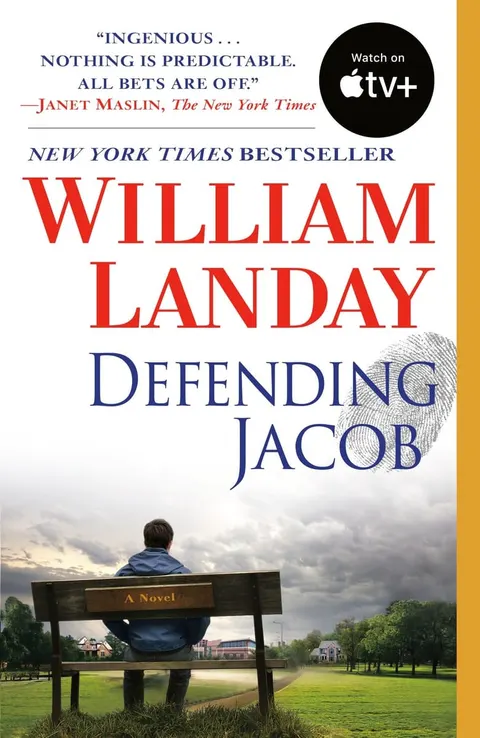
William Landay's legal thriller follows a prosecutor whose teenage son is accused of murder. The father's professional instincts and his love for his child pull in opposite directions, and the novel uses the machinery of a criminal case to ask how well parents know their children.
Read more
It is taut and twisting, and it belongs to the line of crime fiction where the most frightening question is about the people closest to you.
For: Readers who like courtroom drama and stories about family loyalty under pressure.
While reading: Ask yourself throughout how reliable the father's view of events is.
Next: The Housemaid offers a lighter, faster variation on secrets inside a home.
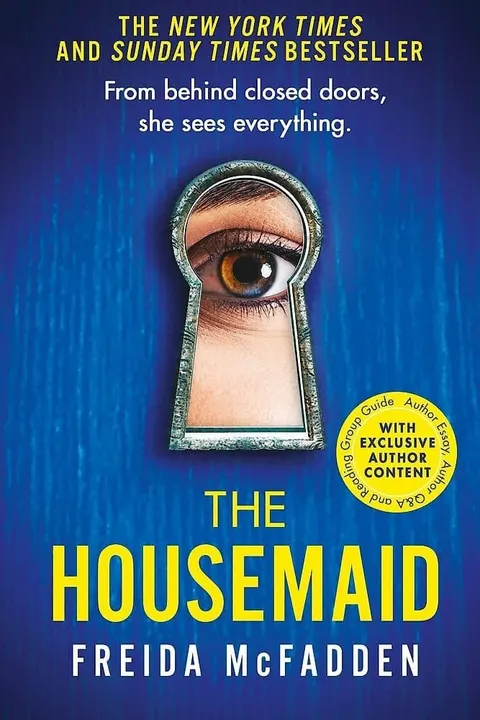
Freida McFadden's 2022 psychological thriller is set on Long Island and follows a young woman with a troubled past who takes a live-in job as a maid for a wealthy family. The house, and the couple who own it, hold dark secrets.
Read more
The novel was a major commercial success and was adapted as a 2025 film with Sydney Sweeney and Amanda Seyfried. It is designed to be read quickly.
For: Readers who want a fast, twisty thriller to read in a weekend.
While reading: Avoid reviews and spoilers before you finish; the twists are the point.
Next: If you want a darker, more ambitious twist-driven novel, finish with Gone Girl.
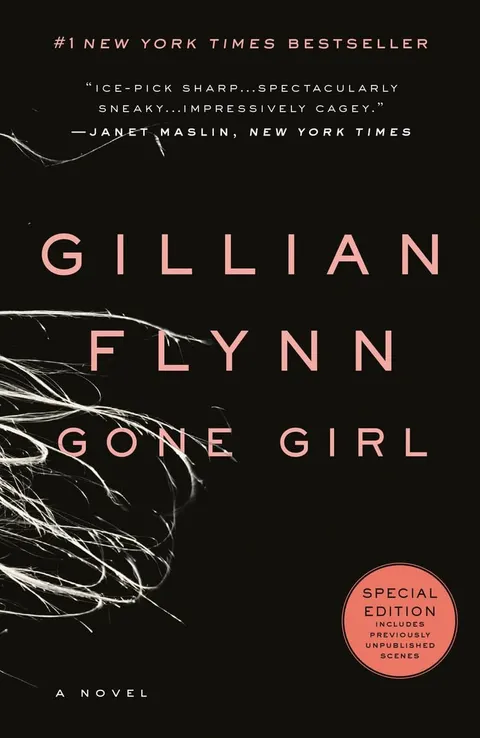
Gillian Flynn's 2012 novel begins with the disappearance of Amy Dunne and the growing suspicion that her husband Nick is responsible. Critics praised its unreliable narration, twists and suspense.
Read more
Flynn wrote the screenplay for David Fincher's 2014 film. Its cold view of marriage and performance gives it a sharpness that makes it more than a puzzle.
For: Readers who like dark, clever plotting and characters who are hard to like but impossible to stop reading about.
While reading: Do not trust either account completely; the structure is built to unsettle you.
Next: After this, going back to The Talented Mr. Ripley shows where Flynn's sympathetic monsters come from.
Anderson Cooper, B.J. Novak and 1 more
Reading path
If you are new to mysteries, begin with And Then There Were None. It is the clearest demonstration of what the genre can do, and it is quick to read. Follow it with Murder on the Orient Express to meet Poirot, then A Murder of Quality for a short classic puzzle in a different voice.
Once you know the classic form, read the second group to see it turned inside out. The Postman Always Rings Twice is the shortest place to start. The Talented Mr. Ripley and The Secret History both reward longer evenings, and In Cold Blood is best read when you are ready for something real and serious.
Read more
Use the fourth group as a change of pace between longer books. The Guest List or The Housemaid fit well after The Girl with the Dragon Tattoo or The Secret History, when you want something lighter. Save The God of the Woods and The Curious Incident for when you want a mystery that is also a novel about families.


 Stephen King, Rian Johnson