Books like Atlas Shrugged: Rand, builders and founders
After Atlas Shrugged: The Fountainhead, then the founders, factory managers and thinkers who explore building, risk and belief.
0/7 books read0%
Atlas Shrugged is a book people rarely feel neutral about. Ayn Rand's sprawling novel imagines the world's creators going on strike and the society that falters without them, and it is her fullest statement of Objectivism. It has been admired and argued over in equal measure for a long time, and both reactions usually lead to the same place: a wish to read more about the people who make things and what drives them.
Read more
This list follows that wish in three directions. First comes Rand's other major novel, the natural next step for anyone who wants her voice again. Then come books by and about people who actually built companies, with all the doubt, luck and stubbornness that involves. Last are two books that look at ambition and conviction from the outside, including one that asks hard questions about why people commit themselves to a cause at all.
You do not need to share Rand's views to get something from these books. In fact, the list works best if you read it with a bit of distance, setting the novels' clean heroes beside founders whose real stories are messier and more human. Seven books are enough to cover the ground; most are shorter than Atlas Shrugged by a long way.
Who it is for: Readers who finished Atlas Shrugged and want either more of Ayn Rand's fiction or real stories and arguments about building something from nothing.
Rand's other major novel follows Howard Roark, an architect who refuses to compromise his vision. It is a defence of individualism that, like Atlas Shrugged, has inspired and divided readers.
Read more
Because it centres on one man and one profession rather than a whole economy, many readers find it a more concentrated version of the same ideas.
For: Readers who want Rand's fiction again without a second book of the same scale.
While reading: Compare Roark with the industrialists of Atlas Shrugged: what does each refuse to give up?
Next: Turn to Zero to One for a real founder's argument about creating something new.
Emma Watson, Larry Ellison and 3 more
Group 2: The people who actually build
Four books grounded in real companies and real work. They share Rand's admiration for makers but trade grand speeches for practical detail, setbacks and honest uncertainty.
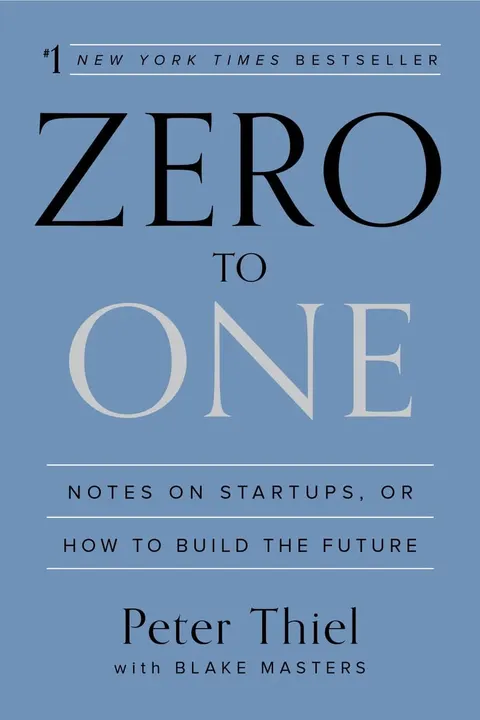
Peter Thiel argues that real progress means creating something new rather than copying what already works. It is a contrarian take on startups and the future, and its insistence on originality will sound familiar to readers of Rand.
Read more
It is short, sharp and built for argument, so expect to disagree with parts of it.
For: Readers who liked the novel's case for invention and want it set out as an argument.
While reading: Note where Thiel's view of competition matches Rand's, and where it parts ways.
Next: Read The Hard Thing About Hard Things for what building looks like day to day.
Ben Horowitz writes candidly about running a company when there are no easy answers. Drawing on his years as a startup CEO, he offers practical, often blunt advice.
Read more
Where Rand's heroes rarely doubt themselves, this book is full of the doubt that real leaders carry, which makes it a useful counterweight.
For: Readers who want the uncomfortable side of leadership, not the heroic one.
While reading: Pay attention to the decisions Horowitz describes as having no good option.
Next: Shoe Dog tells a similar story as a memoir rather than a manual.
Nike co-founder Phil Knight recounts the early, precarious years of building the company. It is a warm, candid memoir of risk, rivalry and perseverance.
Read more
For readers who loved the industrialists of Atlas Shrugged, it shows what that kind of determination looks like in a real life, with far more uncertainty and far more humour.
For: Readers who want a story rather than advice.
While reading: Notice how precarious the early years are, and how much rests on persistence.
Next: Try The Goal for a novel about saving a factory.
Eliyahu Goldratt's business novel teaches the theory of constraints through the story of a plant manager given three months to save his factory. It is a very different kind of novel from Rand's, but it shares her respect for production and for people who make things work.
Read more
It is also a lively introduction to operations thinking.
For: Readers who enjoyed the industrial settings of Atlas Shrugged.
While reading: Try applying the book's questions to your own work as you read.
Next: Step back with The True Believer.
Jeff Bezos, MrBeast and 1 more
Group 3: Ambition and conviction from the outside
Two older books that look at character and belief with a cooler eye. One is a classic story of self-making; the other asks why people throw themselves into movements.
Franklin's unfinished memoir tells the story of his rise from Boston printer's apprentice to statesman. It is a classic of American self-making and an early portrait of the kind of practical, self-reliant figure Rand admired.
Read more
Reading it after Rand is a reminder that the ideal of the self-made person is much older than her novels.
For: Readers interested in the long history of the self-made ideal.
While reading: Look at how Franklin treats self-improvement as a daily, practical habit.
Eric Hoffer's study of why people join mass movements argues that fanatics of very different causes share a similar psychology. It is a short, aphoristic classic of social thought.
Read more
After a novel as committed as Atlas Shrugged, it offers a useful moment of reflection on how conviction itself works, whatever the cause.
For: Readers who want to think about belief and commitment, including their own.
While reading: Read slowly; each short section rewards a pause.
Next: For more thinking about money and work, see the list of books about money and investing.
Mark Cuban, Marc Andreessen and 2 more
Reading path
If you want more Rand, start with The Fountainhead; it is the obvious next novel. If you are more interested in the real world of building, start with Shoe Dog, the most readable of the group, then move to Zero to One and The Hard Thing About Hard Things.
The Goal makes a good change of pace once you have read a few nonfiction books. Save The True Believer for last: after a run of books that celebrate drive and conviction, it is the one that asks you to look at them with fresh eyes.