Books like The Fountainhead: 10 for creators and rebels
After Howard Roark: Rand's other big novel, Maugham's runaway painter, Emerson, Rilke, Pressfield and the founders who wrote down their rules.
0/10 books read0%
Ayn Rand published The Fountainhead in 1943, after twelve publishers had turned the manuscript down. It found its readers slowly, by word of mouth, and has since sold more than ten million copies. At its centre is Howard Roark, a young architect who will not design buildings the way anyone else wants them designed. Around him stand Peter Keating, the classmate who succeeds by copying whatever is fashionable, Ellsworth Toohey, a critic who uses his column to wreck careers, Dominique Francon, who both helps and works against Roark, and Gail Wynand, a newspaper publisher whose power depends on giving the public what it wants.
Read more
Rand described the book's subject as individualism versus collectivism, not in politics but within a man's soul. That phrase is the best guide to what readers usually want next. Some want another large novel of ideas. Some want the real-life version: people who built companies or bodies of work against the grain. And some, once the spell of Roark wears off, want a book that looks at crowds, conformity and true believers with a cooler eye.
The ten books below follow those three directions. They are not copies of Rand, and several of them would argue with her. That is part of the point.
Who it is for: Readers who finished The Fountainhead and want more stories, essays and working manuals about doing your own work your own way.
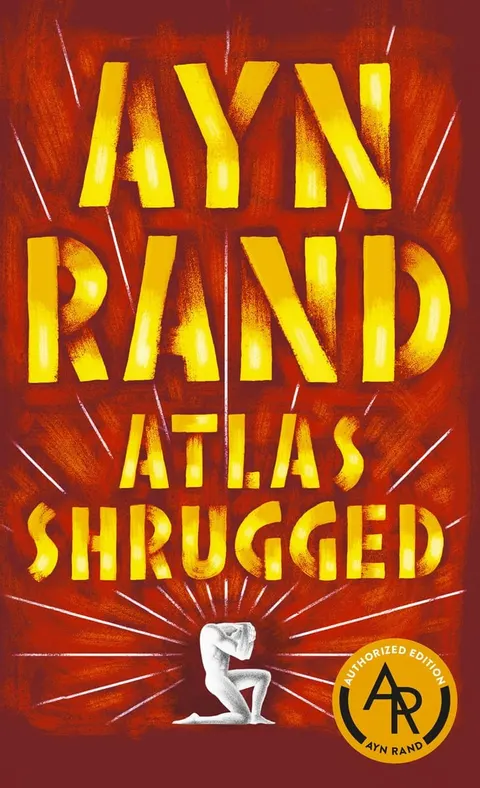
Rand's sprawling later novel imagines the world's creators going on strike and the society that falters without them. Where The Fountainhead follows one architect, this one widens the lens to industry and a whole country.
Read more
It is her fullest statement of Objectivism, admired and argued over in equal measure. Shah Rukh Khan, Mark Cuban and Ray Dalio have both Rand novels on their shelves.
For: Readers who want more Rand, at greater length and with the philosophy spelled out.
While reading: Give it time; it is a long book, and its speeches are part of the design rather than interruptions.
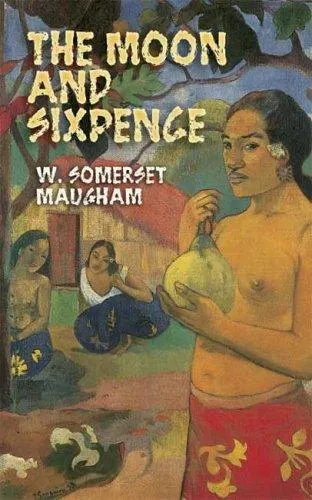
Next: For a very different portrait of a man who walks away from everything, turn to The Moon and Sixpence.
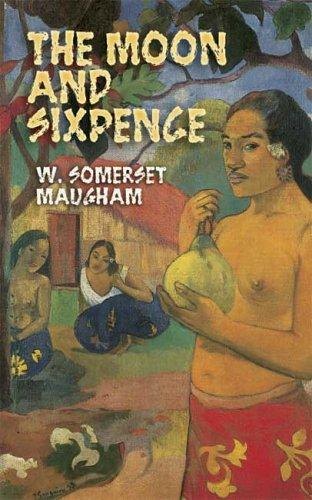
Somerset Maugham's 1919 novel is told by a first-person narrator who catches glimpses of Charles Strickland, a middle-aged English stockbroker who abruptly abandons his wife and children to become a painter. The story is partly based on the life of Paul Gauguin.
Read more
It makes a sharp companion to The Fountainhead because Maugham refuses to make his artist admirable. Strickland's devotion to his work is total, and the people around him bear the cost.
For: Readers who loved Roark's single-mindedness but want to see it from the outside.
While reading: Watch the narrator as closely as Strickland; his doubts are the book's moral counterweight.
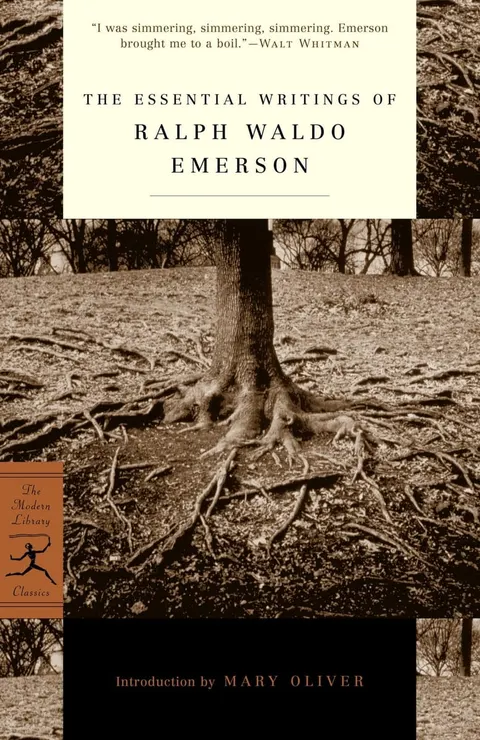
Next: Emerson's essays give the philosophical case for trusting yourself, in a gentler voice.
The major speeches, essays and poems of Ralph Waldo Emerson, a founder of transcendentalism who championed the individual and independent thought. A century before Rand, Emerson was already telling readers to trust their own judgement over custom.
Read more
His tone is less combative and more spiritual, which is exactly why it is worth reading after Roark.
For: Readers who want the idea of self-reliance without the politics.
While reading: Read one essay at a sitting; Emerson writes in dense, quotable sentences that reward slowing down.
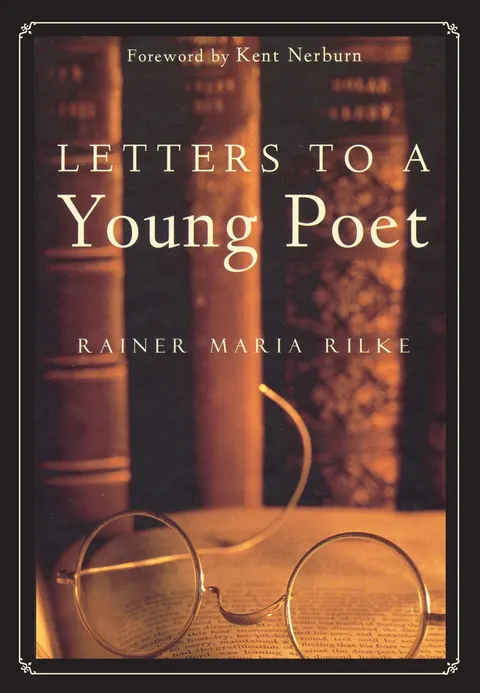
Next: Rilke's letters bring the same independence down to the scale of one young writer.
Rainer Maria Rilke's letters to an aspiring poet are among the most famous and loved of the past century. They are short, private and patient, and they keep returning the young man to his own inner judgement instead of the approval of others.
Read more
If The Fountainhead is a manifesto shouted from a building site, this is the same conviction spoken quietly across a desk.
For: Anyone making something, especially early on, who needs encouragement rather than argument.
While reading: It takes an evening. Keep it nearby and reread single letters later.
Next: The War of Art turns this inner work into a daily fight with procrastination.
Margaret Qualley, Lucy Dacus
Group 2: Builders and the rules they wrote down
Nonfiction from people who made companies or creative work against resistance. These are the books readers pick up when they want Roark's attitude in a working life.
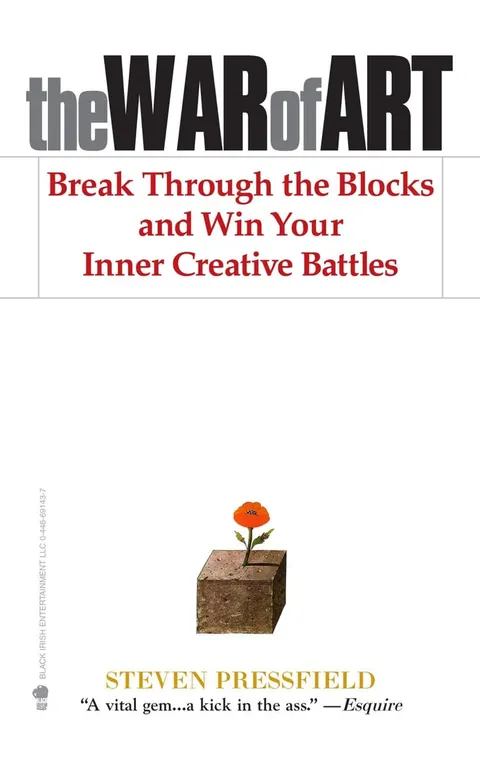
Steven Pressfield names resistance as the force that blocks creative work and shows how to fight it. It is a short, motivational book for artists, written in brief sections.
Read more
Roark never seems to struggle to sit down and work; Pressfield is for the rest of us. Ryan Holiday, Seth Godin and James Clear are among its readers.
For: Readers who are inspired by Roark but stuck on their own project.
While reading: Read it in one or two sittings, then go and do the work it is pushing you towards.
Next: Steve Jobs shows what uncompromising standards looked like inside a real company.
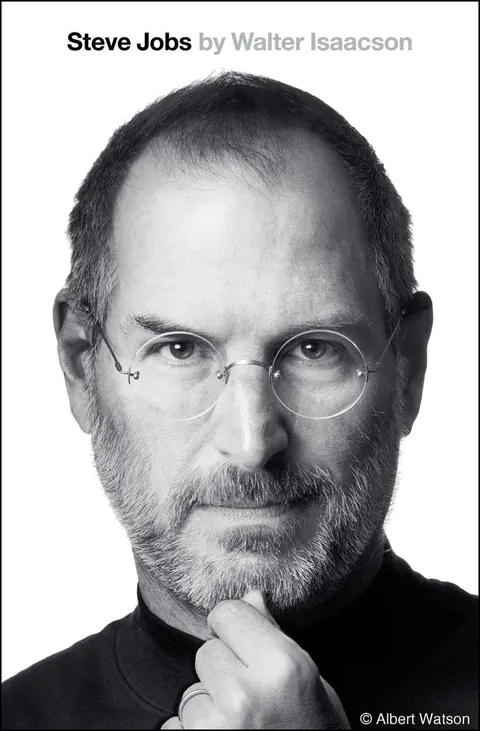
Walter Isaacson's biography draws on dozens of interviews with Jobs, many from his final years. It is an unvarnished portrait of the Apple co-founder's genius and his temper.
Read more
Readers often reach for it after The Fountainhead because Jobs, like Roark, cared intensely about how things were designed. Isaacson does not hide what that intensity cost the people around him. MrBeast and Gary Vaynerchuk have it on their shelves.
For: Readers curious about a real-world figure who fought for his own design vision.
While reading: It is long; read it in stages and pause between the major periods of his life.
Next: Zero to One gives the investor's version of the same belief in building something new.
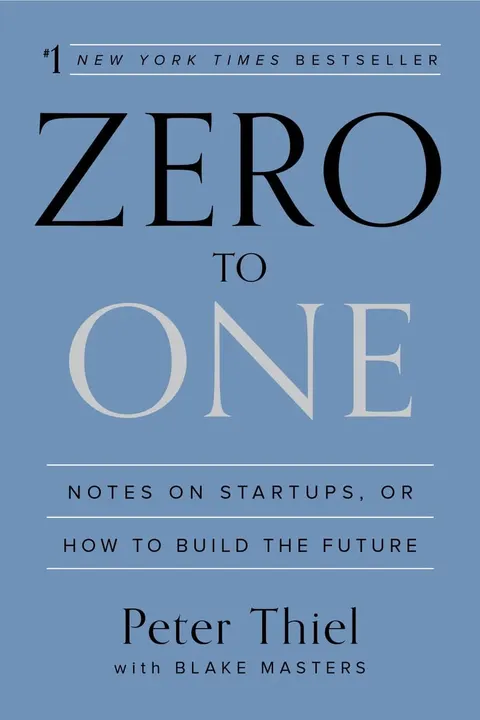
Peter Thiel argues that real progress means creating something new rather than copying what works. Keating would hate it.
Read more
It is a contrarian take on startups and the future, brief enough to read in a weekend. Thiel also has Atlas Shrugged on his shelf, so the connection to Rand is not accidental.
For: Readers who want Roark's distaste for imitation translated into business terms.
While reading: Treat each chapter as a provocation to argue with, not a rulebook.
Next: Ray Dalio's Principles is a more systematic answer to how you make decisions on your own terms.
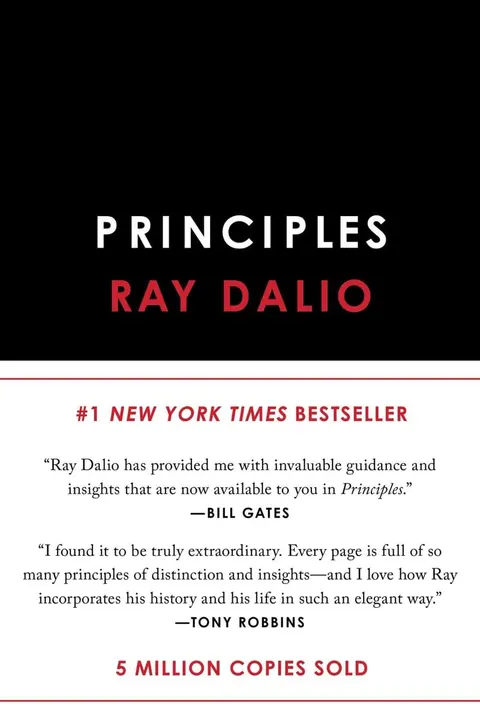
Ray Dalio shares the principles he used to build Bridgewater, one of the world's largest hedge funds. It is a frank guide to radical honesty and decision-making.
Read more
Dalio also has The Fountainhead on his shelf, and the book shares Rand's taste for independent thinking, but it adds something Roark rarely shows: a willingness to be told you are wrong.
For: Readers who want a practical system rather than a hero.
While reading: Skim the life story, then slow down for the principles that apply to your own work.
Next: To step back and look at crowds instead of individuals, read The True Believer.
Bryan Johnson, Mark Cuban and 3 more
Group 3: Looking at the crowd
Two short books about how groups think. They give The Fountainhead's world of critics, mobs and followers a sharper, less heroic outline.
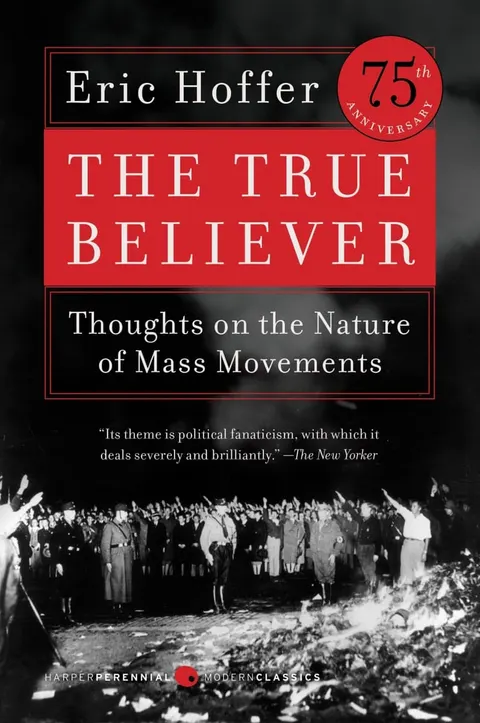
Eric Hoffer's study of why people join mass movements argues that fanatics of very different causes share a similar psychology. It is a short, aphoristic classic of social thought.
Read more
Readers who were fascinated by Toohey's power over his followers will find here a calm, unsettling explanation of how that power works. Marc Andreessen, Seth Godin and Mark Cuban are among its readers.
For: Readers who want to understand the collective side of Rand's conflict.
While reading: It is built from numbered short sections; underline as you go.
Next: Finish with Animal Farm, which tells the same story as a fable.
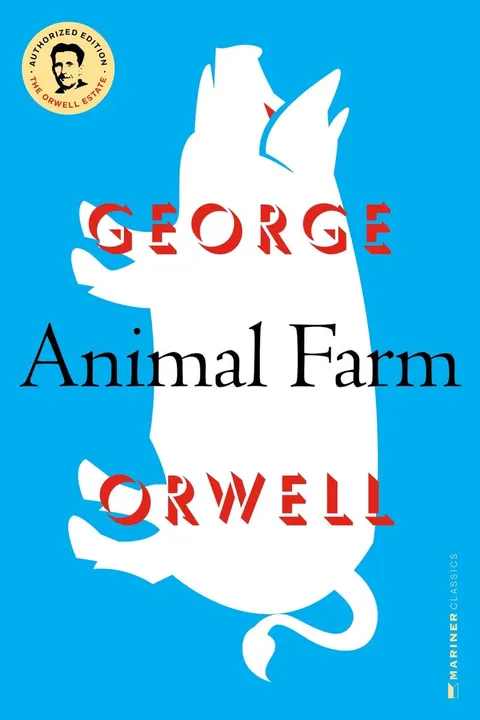
George Orwell's 1945 satirical fable, in which the animals of Manor Farm overthrow their human master, only for the revolution to be betrayed under the rule of the pigs. Orwell comes from a very different political place from Rand, yet both books share a deep suspicion of anyone who claims to speak for everyone.
Read more
It is short enough to read in an afternoon.
For: Readers who want a brief, sharp story about power and conformity.
While reading: Notice how slowly the rules change, one small step at a time.
Next: Orwell's Nineteen Eighty-Four is the natural longer follow-up.
Lex Fridman
Reading path
If you want to stay with fiction, read The Moon and Sixpence first. It is short and it answers The Fountainhead from an unexpected angle. Then decide whether you want Rand at full length in Atlas Shrugged.
If what you took from Roark was a push to make your own work, go straight to The War of Art and Letters to a Young Poet, one loud and one quiet. Add Zero to One or Principles if your work is a company.
Read more
Keep The True Believer and Animal Farm for last. After a book that celebrates one person against the crowd, they are a useful reminder of how crowds actually form, and they are both quick reads.


 Peter Thiel, Shah Rukh Khan and 6 more