Six novels that keep you up: an island of strangers, a vanished wife, a spy at the Wall, Frankenstein, Algernon and a world that burns its books.
0/5 books read0%
Some novels earn their grip honestly. They do not shout; they simply arrange the pages so that stopping feels wrong. A question is left open at the end of every chapter, a narrator is not quite reliable, or a character is going through something you cannot leave alone. You tell yourself you will read one more chapter, and then the window is grey with dawn. That is the kind of reading this list is built for: the evening disappears, and the next day you go looking for someone to tell about it.
Read more
The six books here do it in two different ways. The first three are built like puzzles: an island and a nursery rhyme with ten strangers, a marriage that falls apart in public while the police and the cameras look on, and a spy sent to cross the Berlin Wall with a lie. You will want to know who is lying, and what is really going on, before you let yourself sleep.
The other three come from the opposite direction. They begin with an idea, a scientist and the creature he made, a man whose mind changes overnight, a world that burns its books, and they end in your chest. They are quieter in plot and heavier in feeling, and they are just as hard to put down. Each is an old favourite that still reads with real urgency.
None of them needs background reading. Choose the one that fits your mood, and clear the evening.
Who it is for: Readers who want a novel that takes over the evening: a puzzle to solve, a spy story with an ending that stays with you, or a story about science and books that is hard to leave halfway.
Three novels where the reading itself is a kind of detection. You will want to know who is lying, and what is really going on, before you let yourself sleep. Each has a closed circle at its centre: a house on an island, a marriage seen from two sides, a spy's carefully built false story. The pleasure is in watching the circle tighten, and in noticing how often the answer was in view all along. Between them they cover three very different kinds of suspense, from the old-fashioned parlour puzzle to the modern domestic thriller to the cold war.
Ten strangers are invited to a small island off the Devon coast. The host is nowhere to be seen.
Read more
At the first dinner a gramophone is played, and a voice accuses each guest of causing a death in their past. Then, in the order of an old nursery rhyme, they begin to die one by one. There is no way off the island, and the killer is among them. Agatha Christie's novel was published in 1939, and she described it as the hardest book she ever wrote. Stephen King's summary is short: plenty of murder, relatively little blood, and a wonderful mystery. Rian Johnson, director of Knives Out, calls it Christie's best book. As the ornaments on the dinner table disappear, the pages speed up.
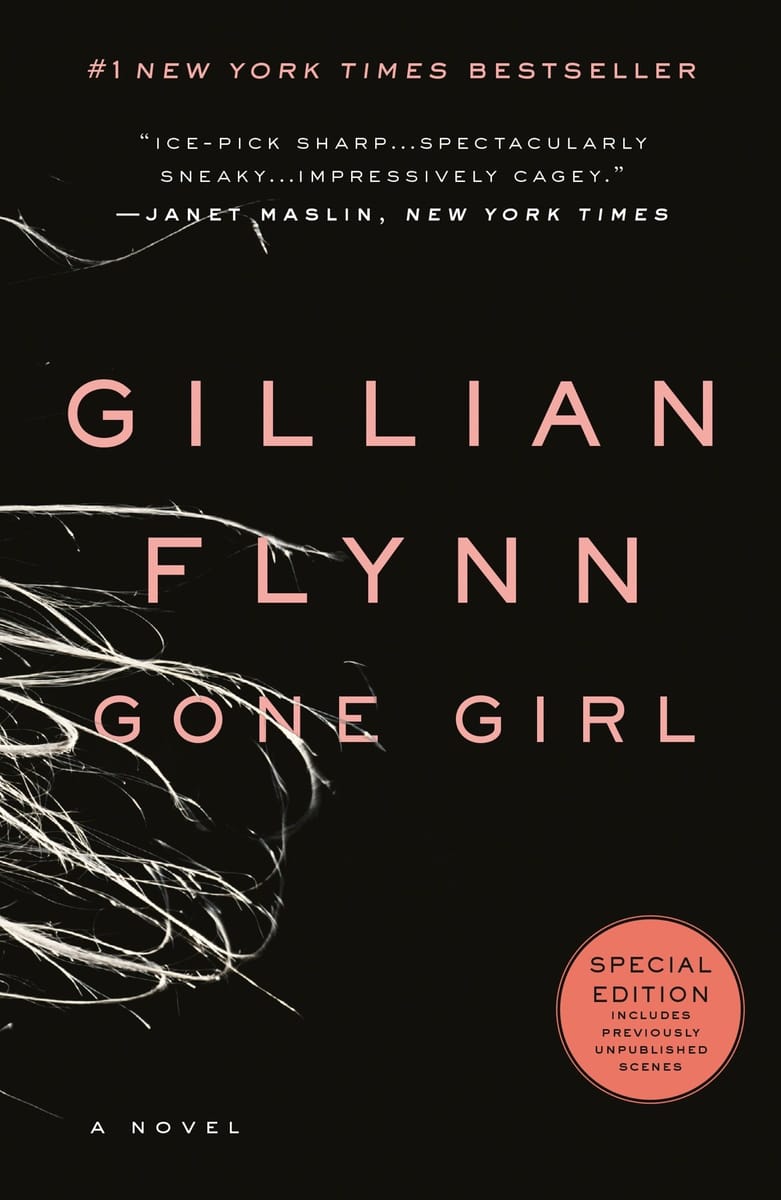
On the morning of Nick Dunne's fifth wedding anniversary, his wife Amy disappears. A table is overturned in the living room and the front door is open.
Read more
The police arrive, then the cameras, and missing posters cover the town's walls, while Nick looks a little more suspicious with each passing day. The novel alternates between his present and Amy's diary from the past, so the reader never quite knows whom to believe, until the moment in the middle of the book when everything turns upside down. Gillian Flynn's novel was filmed by David Fincher in 2014. Patrick Rothfuss's reaction captures the spirit of this list: so good that you want to press a copy into someone's hands. Anderson Cooper and B.J. Novak are also among its admirers.
For:
Anderson Cooper, B.J. Novak and 1 more
Science, books and what we make
Three books that begin with an idea and end in your chest. A scientist who regrets what he has made, a man whose mind is changed by an operation, a society that has decided books are dangerous. Each is an old favourite that still reads with real urgency, and each turns its idea into one person's story, so that the big question always arrives through a character you care about. They are quieter in plot than the first three and heavier in feeling, and just as hard to put down.
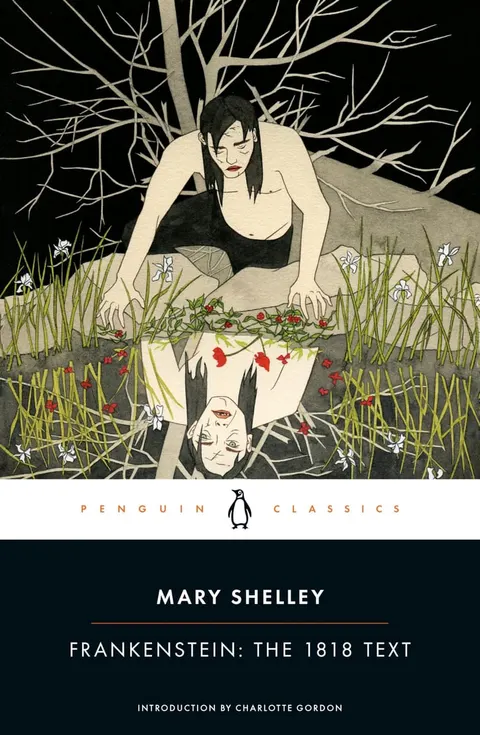
Mary Shelley's novel opens with letters from an explorer travelling toward the North Pole. Among the ice he takes aboard an exhausted man who has been chasing a sledge across the frozen sea.
Read more
The man is Victor Frankenstein, and his story is that of a scientist who creates a living being from dead matter and then runs from it in horror. Unlike the silent monster of the movies, the creature in the novel learns to read, reads Milton, thinks, and asks his maker for one thing: not to be left alone. The book was published in 1818, at a time when organ transplants were not yet possible, which makes its question about what creators owe the things they make more striking still. It is dark, unsettling and moving, and you will not want to switch off the light halfway through.
Charlie Gordon is thirty-two, cleans a bakery and has an intellectual disability. He is offered an experimental operation, one already tried on a laboratory mouse named Algernon.
Read more
The novel is made up of the progress reports Charlie writes for his doctors. The first pages are full of spelling mistakes and broken sentences; then the sentences straighten, lengthen and sharpen, and Charlie understands for the first time how the people around him have treated him for years. Then one day Algernon begins to behave differently. Daniel Keyes's story first appeared in a magazine in 1959 and won a Hugo Award, and the novel version won a Nebula. PewDiePie's description fits this list exactly: really enjoyable to read from start to finish. It is a book that squeezes the heart, and you will not want to put it down.
In the early 1950s a young writer with no room to write in found rented typewriters in the basement of the UCLA library: ten cents for half an hour. Over nine days Ray Bradbury fed the machine his pocket change, $9.80 in coins, and wrote a long story called The Fireman, the piece that later grew into Fahrenheit 451.
Read more
A tale about firemen who burn books, written in a building full of them, has an irony of its own. In Guy Montag's world houses do not burn, books do, and people watch their "family" on wall-sized screens. One night a neighbour girl named Clarisse asks Montag whether he is happy, and everything begins to come apart. Published in 1953, it is a dystopia in which books are outlawed and the firemen burn them, and Montag slowly turns against his job. It is quick, urgent and hard to leave half-read.
For:
Faker
Reading path
If you want to be hooked in the first chapter, start with And Then There Were None. It is the cleanest puzzle here, and it will tell you quickly whether this kind of reading is for you. Follow it with Gone Girl if you liked the twist, or with The Spy Who Came in from the Cold if you preferred the slow squeeze and a morally grey world.
If you want something that stays with you after the last page, go to Flowers for Algernon first. It asks very little of you at the start, and then it asks a great deal. Read Fahrenheit 451 next, a faster and more urgent book that moves from a single question to a collapsing world, and keep Frankenstein for a night when you want something darker and more thoughtful.
Read more
If you only have one evening, pick the book whose first scene appeals most: the dinner table on the island, the overturned table in the living room, the checkpoint at the Wall, the ice, the laboratory mouse, the typewriters in a library basement. Each begins with a single, strong image, and each pays it off.
Whatever you choose, give each book a full evening. These are stories that lose their force when you put them down halfway.
Pair them if you like. And Then There Were None and The Spy Who Came in from the Cold both rest on a lie told to a closed group of people, and read well back to back. Flowers for Algernon and Frankenstein both ask what is owed to someone made or remade by an experiment, and Fahrenheit 451 makes a good palate cleanser between them, since its answer is a call to hold on to the books themselves.