Books like Brave New World: dystopias of comfort and control
Where to go after Brave New World: Orwell, Bradbury, Atwood and Ishiguro, plus Huxley's own Doors of Perception, with a reading order.
0/8 books read0%
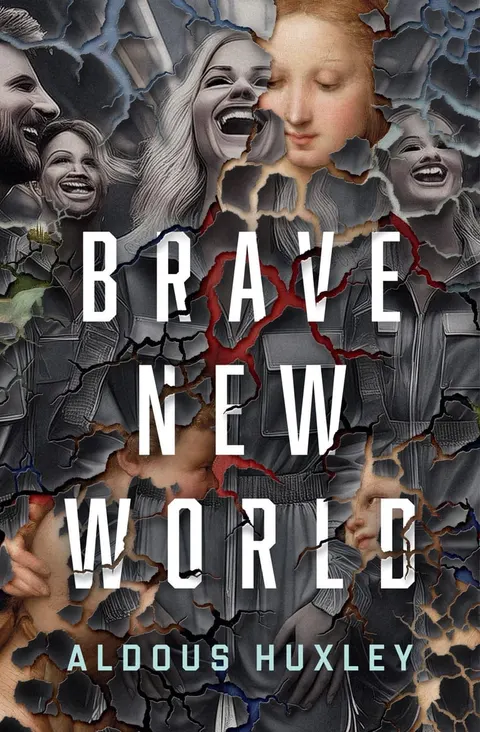
Brave New World is a dystopia without a dungeon. Aldous Huxley imagines a World State that keeps its citizens content through engineered pleasure and conditioning, and the horror of the book is how little anyone in it seems to suffer. Most readers come away with an uneasy question rather than a clear villain: if people are happy, what exactly has been lost?
Read more
That question is the thread through the books below. Some of them answer it with open force, as Orwell does. Some answer it with forgetting, as Bradbury does. A few turn away from the state altogether and look at what people do to one another when nobody is watching, or at what it means to be made for a purpose. Read together, they show how many different shapes an unfree society can take.
The list is arranged in three groups. The first holds the books most often read alongside Huxley. The second moves to later novels that carry the same worries into new settings. The third is a small detour into Huxley's other side, and into a book that asks what remains of people once the rules are gone. None of them is long, and most can be read in a few evenings.
Who it is for: Readers who finished Brave New World and want other novels about societies that control people, whether by force, by pleasure or by quietly deciding what a life is for.
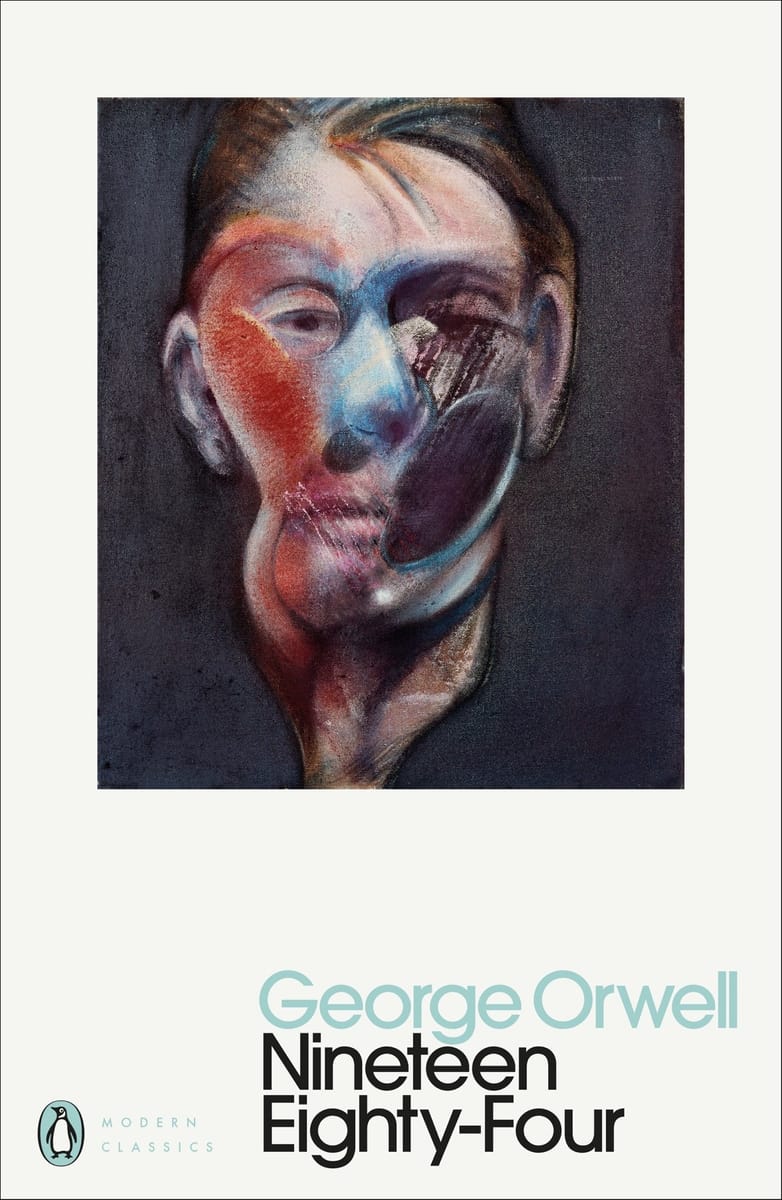
Orwell's classic imagines a totalitarian state of constant surveillance, doublethink and rewritten history. It is the natural counterpart to Huxley: where the World State keeps people busy with pleasure, Orwell's Party keeps them in line with fear.
Read more
Reading the two close together is the best way to see what each author thought was the greater danger.
For: Everyone who finished Brave New World; it is the obvious next book.
While reading: Keep a running comparison: what does each state want from its citizens, and how does it get it?
Next: Read Animal Farm for Orwell's shorter, sharper take on power.
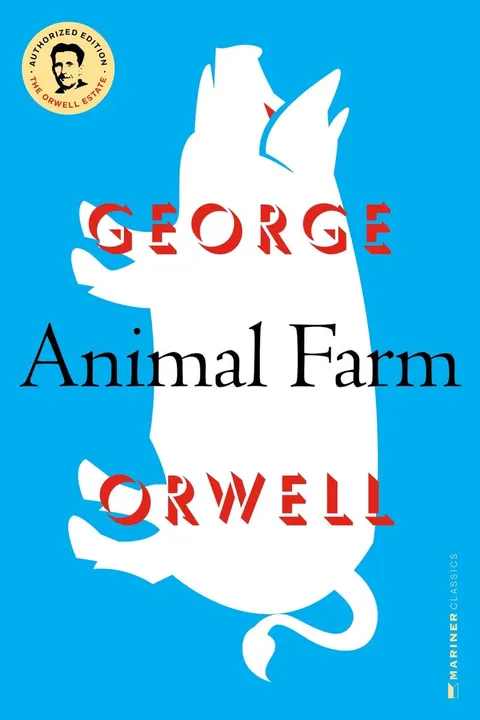
Orwell's 1945 satirical fable follows the animals of Manor Farm as they overthrow their human master, only for the revolution to be betrayed under the rule of the pigs. It is brief and almost playful on the surface, which makes its point land harder.
Read more
Where Huxley shows a society already finished, Animal Farm shows how one is built step by step.
For: Readers who want something short that still leaves a mark.
While reading: Watch how the rules of the farm change once the pigs are in charge.
Next: Move on to Fahrenheit 451 for another society that rewrites what people may know.
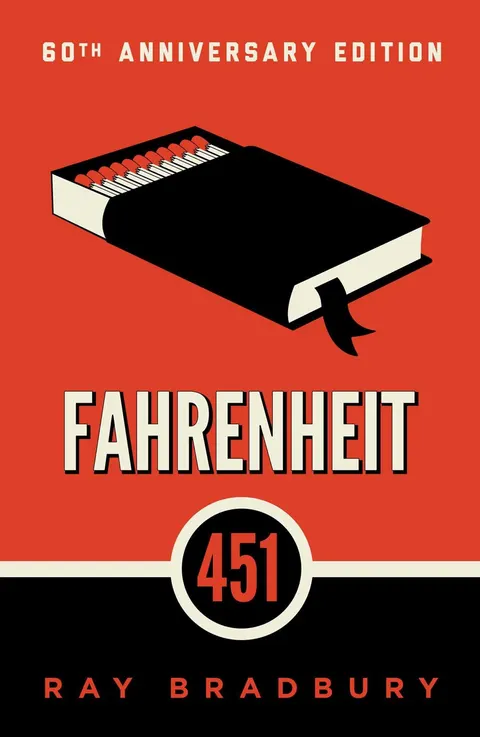
Ray Bradbury's 1953 novel imagines a world in which books are outlawed and firemen burn them. Guy Montag turns against his job and sets out to save literature.
Read more
Of all the books here it is the closest in spirit to Huxley, because the population is kept quiet less by terror than by distraction and a steady flow of entertainment.
For: Readers who found the World State's comfort more frightening than any prison.
While reading: Notice what people in Montag's world spend their evenings doing, and compare it with the World State's pastimes.
Next: Continue with The Handmaid's Tale for a dystopia told from inside one life.
Faker
Group 2: Later novels with the same worry
Three books written after the classics that take Huxley's interest in control over bodies and lives in new directions. They are quieter and more personal, and each one is told through a narrator whose voice carries the story.
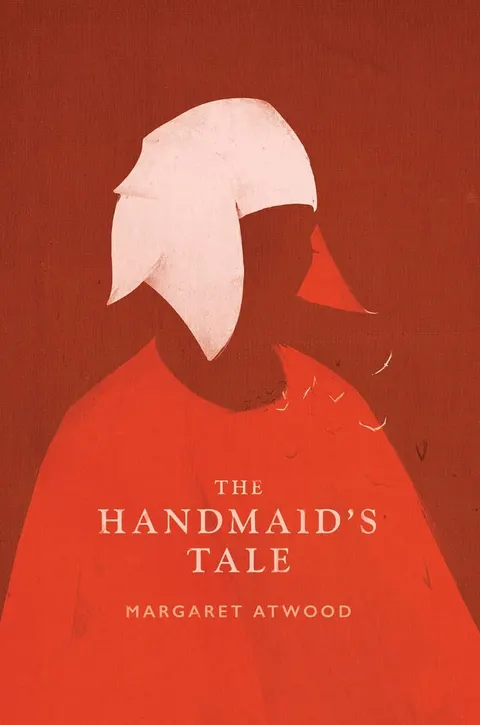
Margaret Atwood's 1985 novel is set in the Republic of Gilead, a totalitarian state that has overthrown the United States, and is told by a woman called Offred. Like Brave New World, it is concerned with how a state reaches into the most private parts of life, but it approaches the question from the inside, through one woman's daily life and memories.
Read more
For: Readers interested in how the World State shapes lives from the very start.
While reading: Pay attention to what Offred is no longer allowed to do, and how she keeps hold of who she was.
Next: Read Never Let Me Go for a gentler voice and an equally unsettling world.
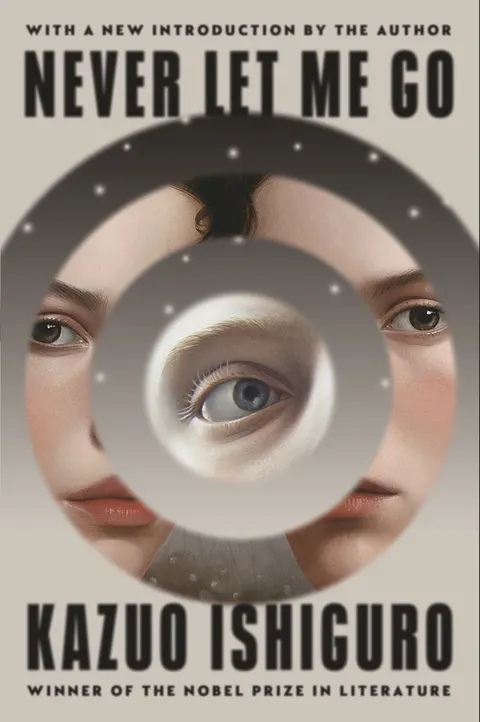
Kazuo Ishiguro's 2005 novel was shortlisted for the Man Booker Prize and named the best novel of 2005 by Time magazine. It is a book best opened knowing as little as possible, so the only advice here is about mood: it is restrained, patient and quietly devastating.
Read more
Readers who were struck by how the World State decides in advance what each person is for will find that question waiting here in a very different form.
For: Readers who want literary fiction rather than a classic dystopia.
While reading: Do not look up the plot. Let the narrator reveal her world at her own pace.
Next: Ishiguro's Klara and the Sun makes a natural companion.
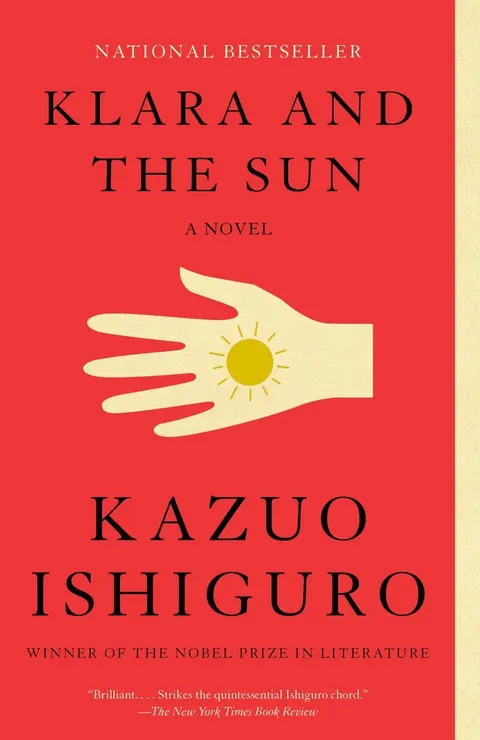
Klara, an Artificial Friend, watches the world from a shop window and is later chosen to look after a sick girl. Ishiguro's novel is a quiet story about love and what it means to be human.
Read more
It suits readers who were drawn to the conditioned citizens of Brave New World and want to think about the same question from a more tender angle.
For: Readers who want a softer, more hopeful book after the darker ones on this list.
While reading: Klara sees everything literally; notice what she understands that the humans around her miss.
Next: Return to Huxley with The Doors of Perception.
Dua Lipa, Bill Gates and 1 more
Group 3: Huxley's other side, and a world without rules
One nonfiction book by Huxley himself, and one novel that turns the dystopia inside out.
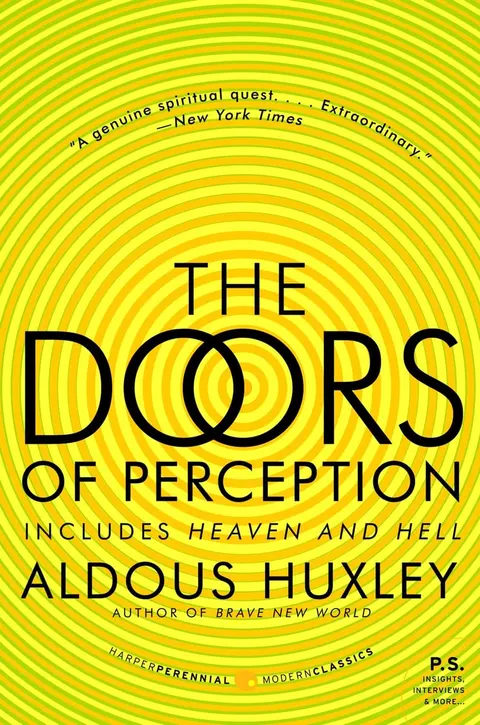
Huxley's account of taking mescaline, and of what it suggested about perception and consciousness. It is not a novel, and it is a strange pairing at first.
Read more
But readers who wondered about the role of engineered pleasure in Brave New World will find it interesting to see Huxley thinking about altered states in his own voice, far from satire.
For: Readers curious about Huxley himself, not only his most famous novel.
While reading: Read it as an essay of ideas rather than a guide or an argument.
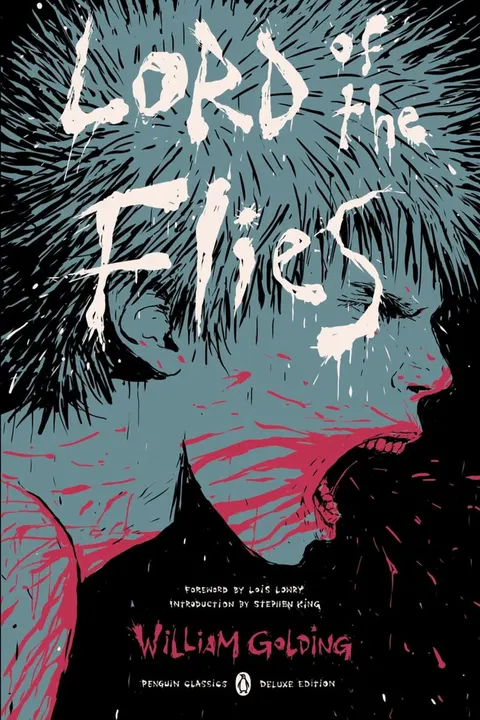
William Golding's novel follows schoolboys stranded on an island who descend into savagery. It is the reverse of Huxley's world: no conditioning, no state, no rules at all.
Read more
Setting the two side by side raises a hard question about whether control is imposed on people from above or grows out of them when nothing else holds them together.
For: Readers who want to test the assumptions behind every dystopia on this list.
While reading: Track how the boys try to build order and why each attempt weakens.
Next: If you want more, the list of books like Nineteen Eighty-Four continues the thread.
Douglas Murray
Reading path
Start with Nineteen Eighty-Four if you have not read it. It is the book Brave New World is most often compared with, and reading them close together sharpens both. Animal Farm and Fahrenheit 451 follow naturally and are both short.
If you prefer novels with a strong inner voice, go to the second group next: The Handmaid's Tale, then Never Let Me Go, then Klara and the Sun as a gentler close. The Doors of Perception and Lord of the Flies can be read at any point, as a change of pace between the novels.

 Callum Turner, Timothée Chalamet and 11 more