Books like Moby-Dick: sea stories, voyages and obsession
What to read after Moby-Dick: Hemingway, Defoe, Verne and Shackleton at sea, then Homer, Swift, Cervantes and McCarthy on long journeys.
0/9 books read0%
Herman Melville's Moby-Dick, published in 1851, follows Captain Ahab's obsessive hunt for the white whale that maimed him. But anyone who has read it knows it is not only an adventure. It is also an encyclopaedia of whaling, a study of one man's fixation, a portrait of the labour on a working ship and a long meditation on fate and the sea. Some chapters read like a thriller, others like a sermon, others like a manual.
Read more
That is why there is no single answer to the question of what to read next. Some readers loved the adventure. Some were held by Ahab and the way a private wound becomes a mission that drags everyone else along. Others enjoyed the book's strangeness: its digressions, its jokes, its refusal to behave like a normal novel. The books below are grouped to follow those three threads.
The first group stays at sea. The second follows great journeys, from Homer to Swift. The third is about the road and the obsession that keeps a person walking it. A suggested reading order closes the list, and no description gives away an ending.
Who it is for: Readers who have finished Moby-Dick and want more of the sea, more great journeys, or more stories about a single overpowering obsession.
Books where water is the main character, or at least the main opponent. They range from a short novella to a true story of survival in the Antarctic, and from a desert island to the deep ocean.
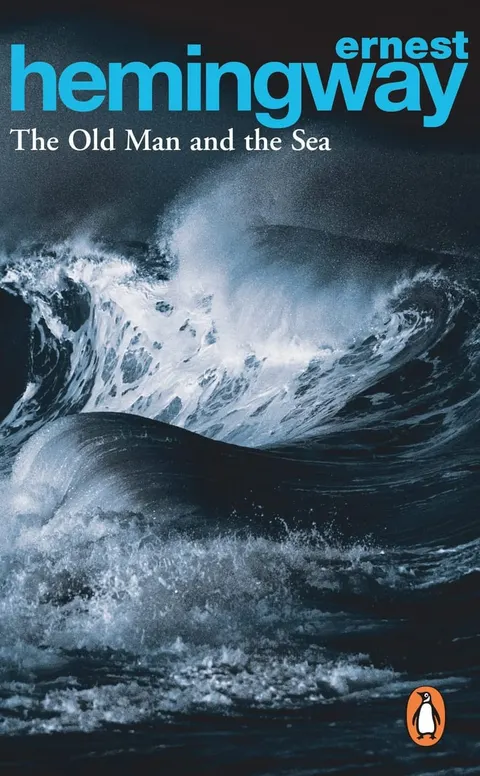
Ernest Hemingway's 1952 novella tells of an ageing Cuban fisherman and his struggle with a giant marlin. Where Moby-Dick takes hundreds of pages to tell its story of a man, the sea and a great animal, Hemingway does something close to it in a slim book.
Read more
His short, plain sentences are the opposite of Melville's long, ornate ones, and reading the two together is one of the best lessons in how differently the same subject can be written. It is a story about endurance and dignity rather than revenge.
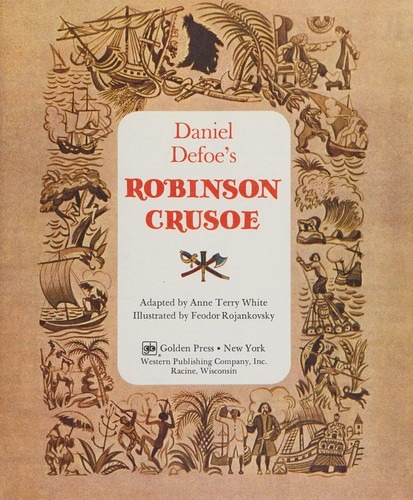
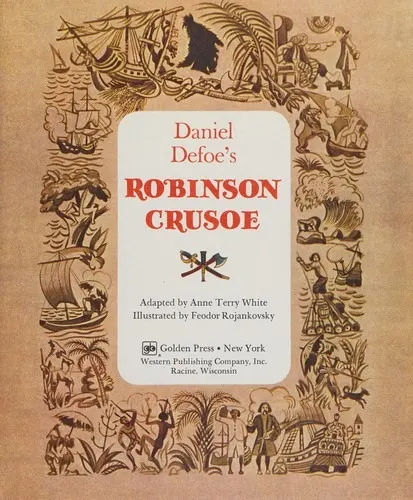
Daniel Defoe's 1719 tale of a shipwrecked sailor who builds a life alone on a remote island. It is often called the first English novel.
Read more
In Moby-Dick the sea is an enemy to be hunted across; in Robinson Crusoe it is the force that shuts a man away from the world. The book shares Melville's pleasure in practical detail, in how things are made and survived, and it is a story of ingenuity, faith and patience.
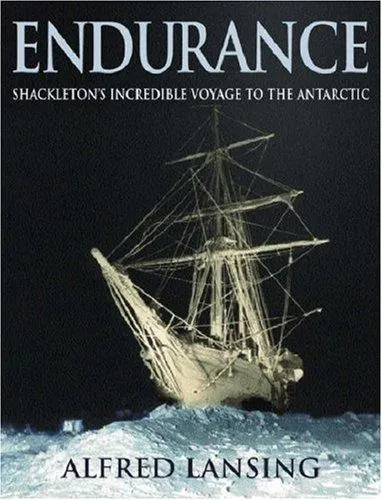
Alfred Lansing tells the true story of Ernest Shackleton's failed Antarctic expedition, when the ship Endurance was trapped in the ice, and of the crew's extraordinary survival. Moby-Dick uses the sea as material for a novel; here every hardship actually happened.
Read more
It reads quickly, like an adventure, and it is just as much a book about leadership under pressure. If the crew of the Pequod interested you as much as its captain, this is the book.
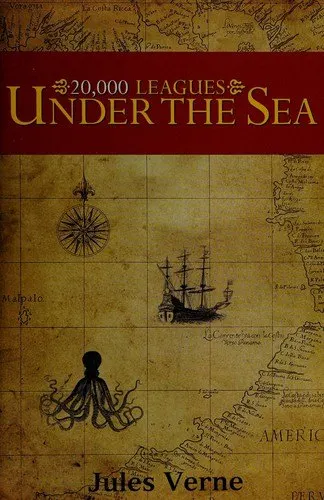
Jules Verne's science fiction adventure, serialised from 1869 to 1870, goes beneath the surface that Melville's sailors only skim. Like Moby-Dick it mixes story with long passages of natural history and description,. Verne is lighter and more openly a storyteller of wonders, which makes this a good choice when you want the ocean without the weight.
Read more
For:
Richard Branson
Group 2: Great voyages
Older journey stories that Moby-Dick belongs beside. Each uses travel to say something about human nature, whether as epic, satire or comedy.
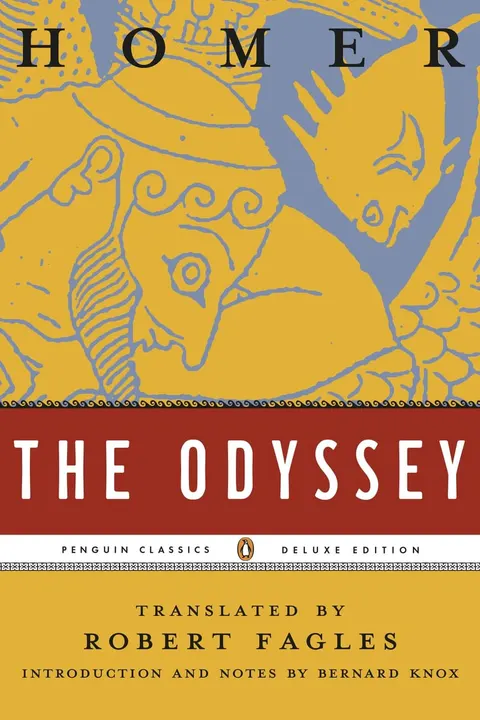
Homer's epic of Odysseus's long journey home from the Trojan War, and of his wife Penelope's wait in Ithaca. If Moby-Dick is a modern sea epic, this is where the sea story begins.
Read more
Read the two side by side and you can watch how the voyage narrative has carried the same questions about home, fate and the limits of a human being for thousands of years. This edition is Robert Fagles's translation.
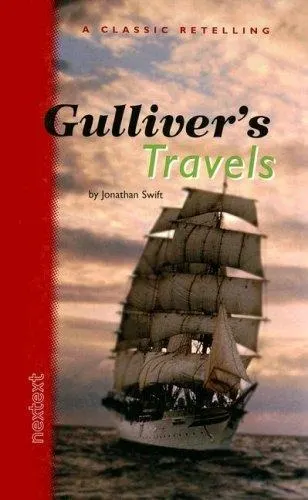
Jonathan Swift's 1726 satire follows Lemuel Gulliver through lands of tiny and giant people, flying islands and talking horses. In Moby-Dick the voyage is an existential stage; in Gulliver it is a tool for criticising society.
Read more
The scenes with tiny and giant people are known as a children's story, but the whole book is far sharper and funnier than that reputation suggests, a savage critique of human folly.
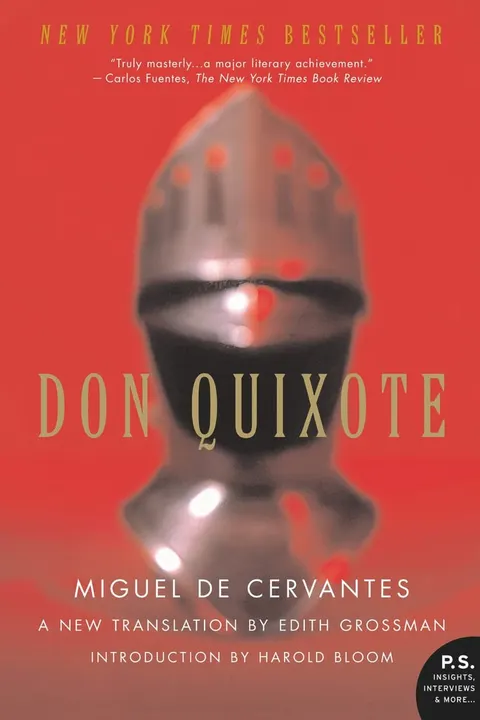
Miguel de Cervantes's novel of an elderly gentleman who, after reading too many chivalric romances, sets out as a knight-errant with his squire Sancho Panza. Like Ahab, Don Quixote follows an obsession across the world, but one story is tragic and the other comic.
Read more
Both books also took apart the forms of their time and rebuilt them, which is why Don Quixote is often called the first modern novel. It is long and digressive in a way Moby-Dick readers will recognise.
For:
PewDiePie, Zülfü Livaneli
Group 3: The road and the fixed idea
Two very different books for readers who stayed for Ahab: one about a journey across a ruined land, one by Melville himself.
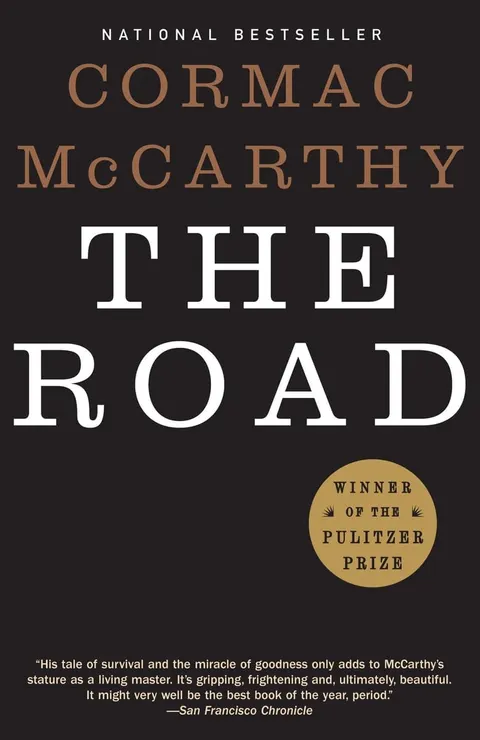
Cormac McCarthy's Pulitzer-winning novel follows a father and son walking across a ruined, ash-covered America. Like Melville's ocean, the road here is endless and dangerous, and like Ahab, the father has a single purpose that overrides everything else, though in his case it is keeping his son alive.
Read more
The sentences are spare and the scenes are hard, brutal and tender in equal measure. It is the most modern book on this list and one of the most gripping.
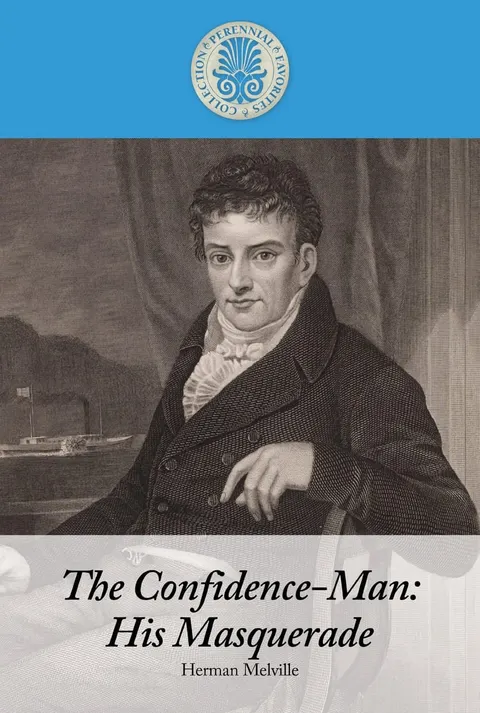
Melville's last novel, published on April Fool's Day 1857, follows passengers on a Mississippi steamboat bound for New Orleans as a string of confidence men, perhaps one man in disguise, work their cons on board. It is very different from Moby-Dick in tone, satirical and puzzling rather than epic, but it shows the same restless mind and the same love of a boat as a small model of the whole world.
Read more
Read it once you know you want more Melville.
For:
Rian Johnson
Reading path
If you want something short straight after Moby-Dick, The Old Man and the Sea is the natural choice. It gives you the same struggle between a man and a great creature in a fraction of the length, and its plain style is a relief after Melville's richness.
If it was the adventure you loved, go to Endurance next, then Twenty Thousand Leagues Under the Sea. Robinson Crusoe fits well between them. If you want the long view, read The Odyssey and then Don Quixote: together with Moby-Dick they make a sort of history of the journey story.
Read more
Keep The Road for when you want intensity, and Gulliver's Travels for when you want to laugh. The Confidence-Man belongs at the end, for readers who have decided that Melville himself is what they are after.


 PewDiePie, Lex Fridman and 3 more