A three-step route into Russian literature, from short novels by Dostoevsky, Tolstoy and Solzhenitsyn to War and Peace and The Brothers Karamazov.
0/11 books read0%
Russian literature has a fearsome reputation. Everyone has heard that War and Peace is enormous, that the names are impossible and that the novels are full of characters arguing about the meaning of life. What the reputation hides is how readable these books are. Many of them first appeared in magazine instalments and were written to keep readers coming back. They are full of love affairs, gambling, murders, duels, revolutions and jokes.
Read more
The trick is to start in the right place. If your first Russian book is a thousand pages long, you may stop at page eighty and decide the whole tradition is not for you. If you start with a short novel, you learn the rhythms and the naming customs without strain, and by the time you reach the big books they feel like a reward.
This route has three steps. The first is three short books that can each be read in a few evenings, by Dostoevsky, Tolstoy and Solzhenitsyn. The second is five well-known novels of manageable length, from the nineteenth century to the Soviet era. The third is the great long novels that most readers have in mind when they talk about Russian literature. Along the way you will move from the age of the tsars to the Soviet labour camps, and from realism to fantasy and satire.
Two practical tips. First, Russian characters are called by full names, patronymics and nicknames, sometimes on the same page. Most editions include a character list; use it without embarrassment. Second, translations vary a great deal in tone. Before buying a long novel, read the first page of two or three translations and choose the one whose voice you enjoy, because you will be living with it for weeks.
Who it is for: Readers who feel drawn to the Russian classics but intimidated by their length, and who want an order that builds up from short books to the great novels.
Three short works to learn the voices of three very different writers. Each can be finished in a few sittings, and each shows a theme that runs through the whole tradition: compulsion, empire and the individual crushed by the state.
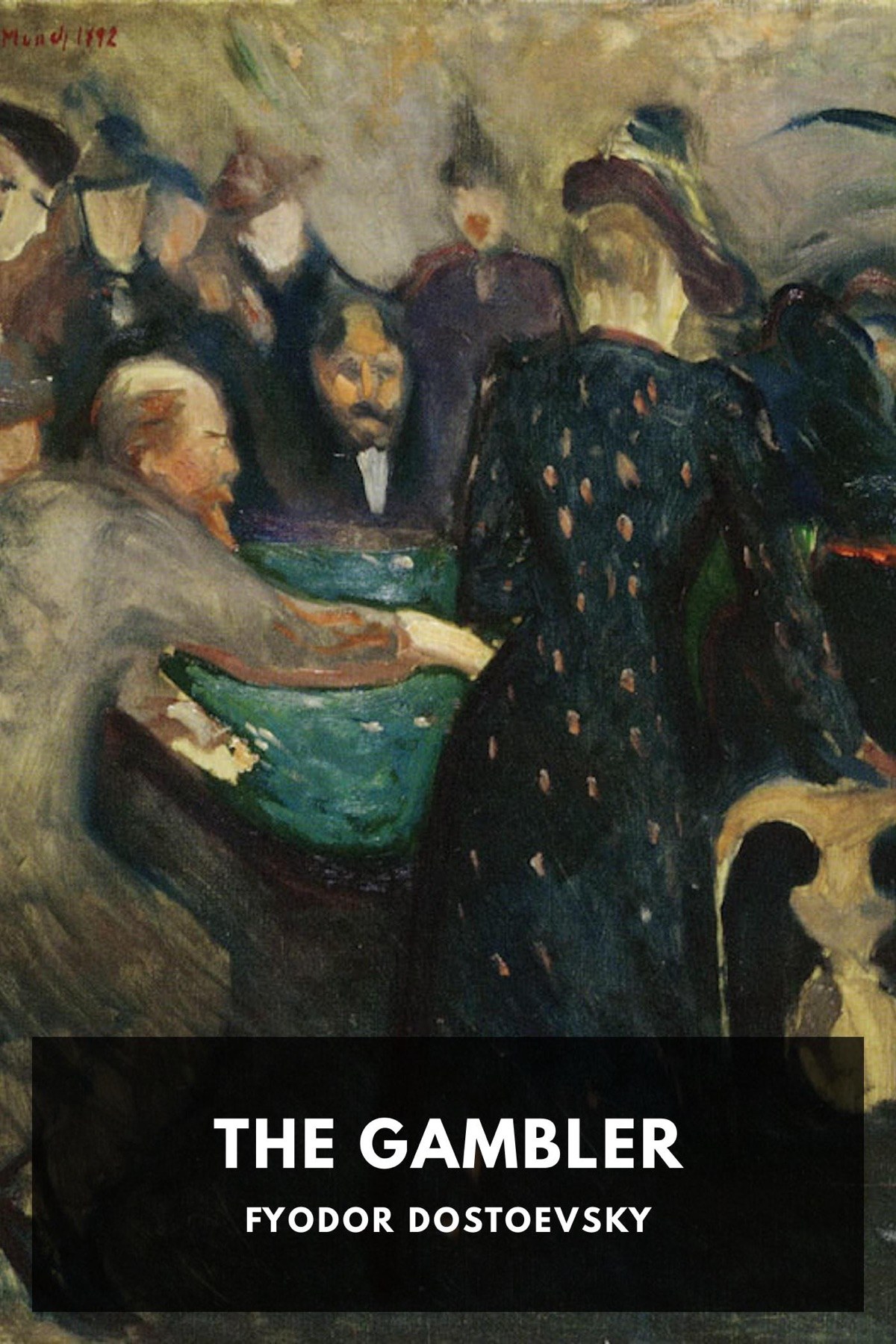
Dostoevsky's short novel follows a young tutor in the service of a formerly wealthy Russian general, drawn into roulette at a casino in a German town. The theme reflects Dostoevsky's own addiction to roulette, and he finished the book in 1866 under a strict deadline to pay off gambling debts.
Read more
It is quick, feverish and bitterly funny, and it introduces the nervous, self-justifying voice that runs through his great novels. Orhan Pamuk has it on his reading list.
For: Anyone who wants a first taste of Dostoevsky.
While reading: Notice how the narrator explains away every bad decision.
Next: Try Hadji Murat for a completely different voice.
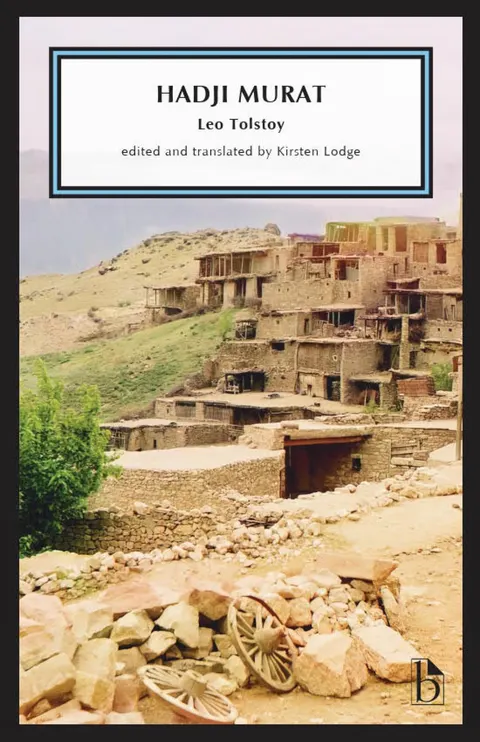
Tolstoy wrote this novella between 1896 and 1904, and it was published after his death, in 1912. It is a partly fictionalised account of Hadji Murat, an Avar commander in the North Caucasus who shifted his allegiance between the Russian Empire and Imam Shamil.
Read more
It is short and swift, and it moves between people on every side of the conflict. It is an ideal way to meet Tolstoy before attempting his long novels. George Saunders has it on his reading list.
For: Readers who want to try Tolstoy without starting with a thousand pages.
While reading: Watch how often the point of view moves between camps; no side is simple.
Next: Go on to One Day in the Life of Ivan Denisovich.
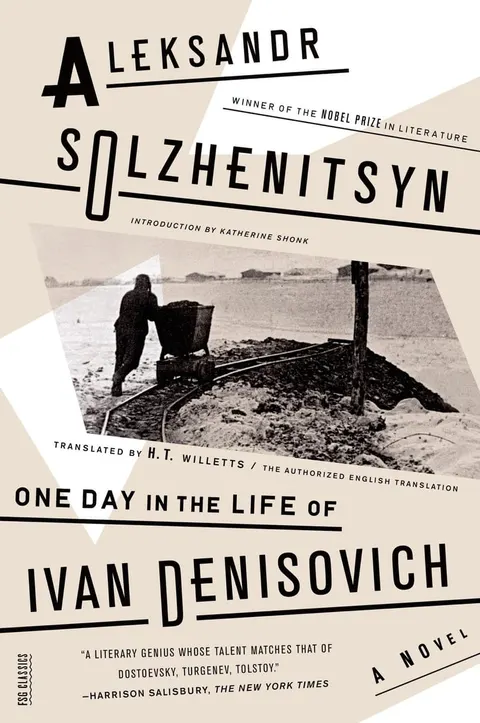
A single day in a Soviet labour camp, lived by the prisoner Ivan Denisovich Shukhov. Solzhenitsyn's short novel was published in November 1962 in the literary magazine Novy Mir, with the approval of Nikita Khrushchev, and it was the first account of Stalinist repression openly distributed in the Soviet Union.
Read more
It made Solzhenitsyn famous. The power of the book lies in its restraint: small comforts, a piece of bread, a warm moment at work, carry enormous weight. Winston Churchill has it on his reading list.
For: Readers interested in the twentieth century and in stories of endurance.
While reading: Read it slowly; the details of the day are the story.
Next: Move on to Step 2, starting with Fathers and Sons.
Winston Churchill, Christopher Hitchens and 1 more
Step 2: The well-known novels
Five novels that most readers of Russian literature know, each long enough to be absorbing but none as daunting as the books in Step 3. They are grouped by period, nineteenth century first, so you can see the tradition change from the 1860s to the Soviet era.
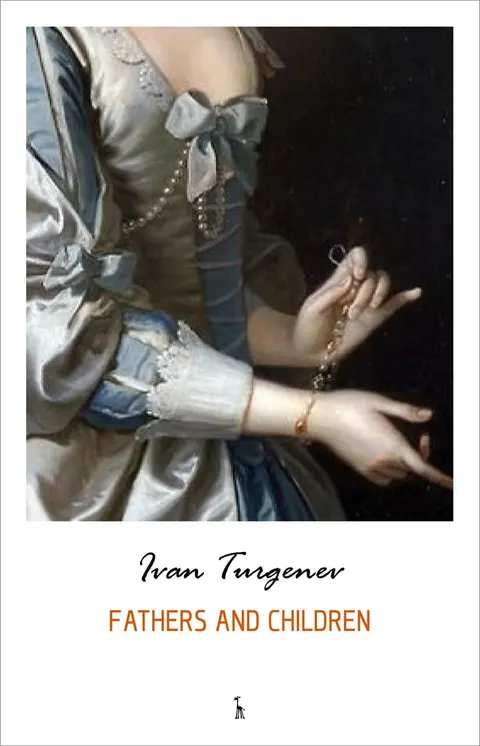
Turgenev's novel, published in 1862, dramatises a clash between generations through Yevgeny Bazarov, a medical student and nihilist who rejects tradition, sentiment and the values of his elders, and his friend Arkady Kirsanov. The book helped popularise the word nihilism, and it was the first Russian work to gain real prominence in the West.
Read more
It is shorter and calmer than the great Dostoevsky and Tolstoy novels, which makes it an excellent first full-length Russian novel. Chimamanda Ngozi Adichie has it on her reading list.
For: Readers who want a first Russian novel that is short and easy to follow.
While reading: Notice how Turgenev treats both generations with sympathy and irony at once.
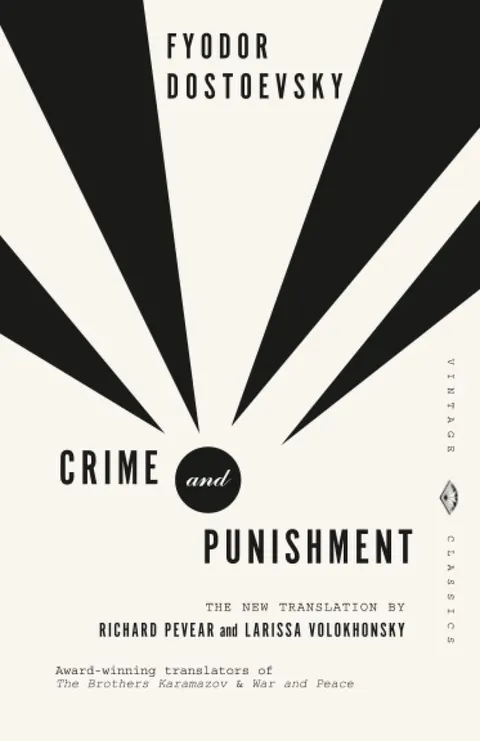
A destitute former student in St Petersburg murders a pawnbroker and is tormented by guilt as a detective closes in. First published in twelve monthly instalments in 1866, it is considered the first great novel of Dostoevsky's mature period and is often cited among the greatest works of world literature.
Read more
It reads like a psychological thriller and asks whether any end can justify a crime. Timothée Chalamet and Larry King both have it on their reading lists.
For: Readers who like suspense and moral argument.
While reading: Follow the conversations with the investigator closely; they are the novel's engine.
Next: Continue with Anna Karenina.
Timothée Chalamet, Benedict Cumberbatch and 4 more
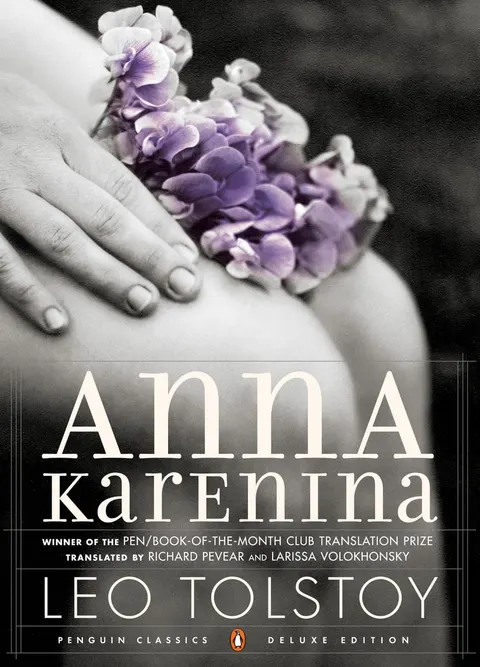
Tolstoy's novel follows a married aristocrat whose passion for Count Vronsky defies Russian high society, set beside the parallel story of the landowner Levin. It was serialised from 1875 to 1877 and published as a book in 1878, and Tolstoy himself called it his first true novel.
Read more
It is long, but its double story keeps it moving, and it is often considered one of the greatest novels ever written. Oprah Winfrey and Jennifer Lawrence both have it on their reading lists.
For: Readers who want a great novel of love, family and moral choice.
While reading: Give the Levin chapters the same attention as Anna's; the two stories answer each other.
Next: Try Doctor Zhivago to see how the tradition continued into the twentieth century.
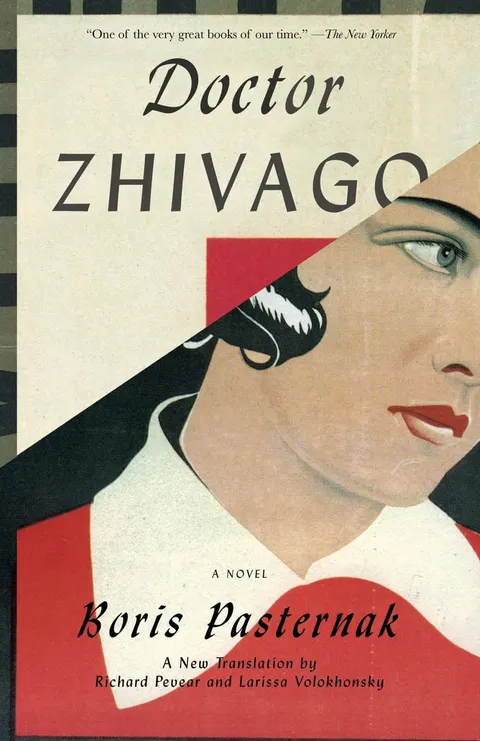
Boris Pasternak's novel follows Yuri Zhivago, a physician and poet caught up in the Russian Revolution and the civil war, and his love for Lara. The story runs from the revolution of 1905 to the Second World War.
Read more
It was first published abroad, in Italy in 1957, and Pasternak was awarded the Nobel Prize in Literature in 1958. It is a poet's novel, more interested in feeling and landscape than in plot mechanics. Winston Churchill has it on his reading list.
For: Readers who want a love story set against the upheavals of the twentieth century.
While reading: Do not worry about tracking every coincidence; the novel works through mood and memory.
Next: Finish Step 2 with The Master and Margarita.
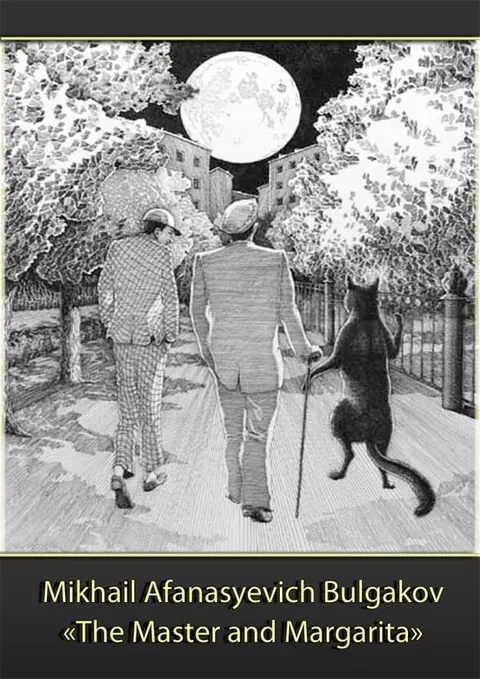
The devil visits Soviet Moscow with a talking cat and a retinue and turns the city upside down, while a writer known as the Master and his lover Margarita pursue their own story. Bulgakov wrote it between 1928 and 1940, and it satirises Soviet bureaucracy and official atheism.
Read more
A censored version appeared in a Moscow magazine in 1966 and 1967, long after his death, and the book has since been published in many languages. It is the funniest book on this list and a good reminder that Russian literature is not all gloom. Jack Dorsey and Peter Thiel both have it on their reading lists.
For: Readers who enjoy satire, fantasy and dark comedy.
While reading: Enjoy the chaos in Moscow; the storylines come together in their own time.
Next: You are ready for Step 3.
Peter Thiel, Jordan Peterson and 5 more
Step 3: The great works
The three long novels that stand at the centre of the tradition. Each is a commitment of weeks rather than days. Take them one at a time, with other books in between, and read a few chapters a day, much as their first readers did when they arrived in instalments.
Dostoevsky's novel was first published in instalments in The Russian Messenger in 1868 and 1869. It places a gentle, trusting man in a society of money, vanity and wounded pride.
Read more
Of his great novels it is the most tender and, for many readers, the most painful. It is a natural step after Crime and Punishment, and a good bridge to The Brothers Karamazov. Lex Fridman has it on his reading list.
For: Readers who liked Crime and Punishment and want more of Dostoevsky's characters.
While reading: Give the long social scenes time; much happens in who speaks and who stays silent.
Next: Take a break, then choose War and Peace or The Brothers Karamazov.
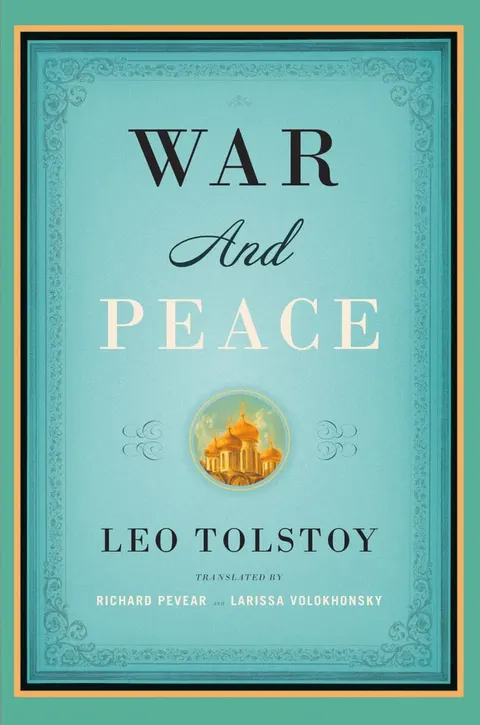
Tolstoy's epic was serialised from 1865 to 1867 and published complete in 1869. It follows five aristocratic families, among them the Rostovs, Bolkonskys and Bezukhovs, from 1805 to 1820, through the Napoleonic Wars and the French invasion of Russia in 1812.
Read more
It is Tolstoy's longest work, with 361 chapters, and a number of them are essays on history rather than narrative. It combines intimate human drama with a vast historical canvas, and it is far more readable than its size suggests. Mark Manson and Lucy Dacus both have it on their reading lists.
For: Readers ready for a long, immersive novel with a huge cast.
While reading: If the essays on history slow you down, it is fine to read them more quickly and return to them later.
Next: Rest, then finish with The Brothers Karamazov.
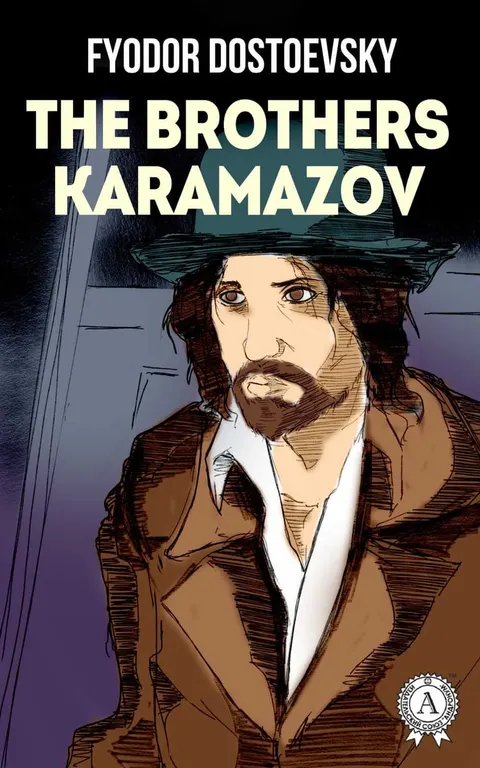
Dostoevsky's sixteenth and final novel centres on three brothers and the murder of their father, and wrestles with faith, doubt, free will and guilt. It was serialised from January 1879 to November 1880, and he died less than four months after it was published.
Read more
It is widely acclaimed as one of the supreme achievements in world literature and makes a fitting end to this route. Sally Rooney has it on her reading list.
For: Readers who have read at least one other long Russian novel.
While reading: Stop after each major conversation and think about it; the book rewards slow reading.
Next: Return to the writer you liked best and read more of their work.
Hillary Clinton, Orhan Pamuk and 3 more
Reading path
The full route runs: The Gambler, Hadji Murat, One Day in the Life of Ivan Denisovich; then Fathers and Sons, Crime and Punishment, Anna Karenina, Doctor Zhivago and The Master and Margarita; and finally The Idiot, War and Peace and The Brothers Karamazov. It goes from short to long and from the nineteenth century to the Soviet era and back.
If you want just one Russian novel, choose Crime and Punishment for suspense or Anna Karenina for a story of love and family. If you want three, read one short book from Step 1, one novel from Step 2 and one great work from Step 3, picking the same author each time, so you can watch a single writer at different lengths: The Gambler, Crime and Punishment and The Brothers Karamazov for Dostoevsky, or Hadji Murat, Anna Karenina and War and Peace for Tolstoy.
Read more
Readers who prefer the twentieth century can build a separate path from One Day in the Life of Ivan Denisovich, Doctor Zhivago and The Master and Margarita, three very different responses to Soviet life, before deciding whether to go back to the nineteenth-century classics.
Do not read the three great works back to back. Put shorter books between them, Russian or otherwise. The long novels feel fresher when you come to each one rested, and you will remember the characters better.